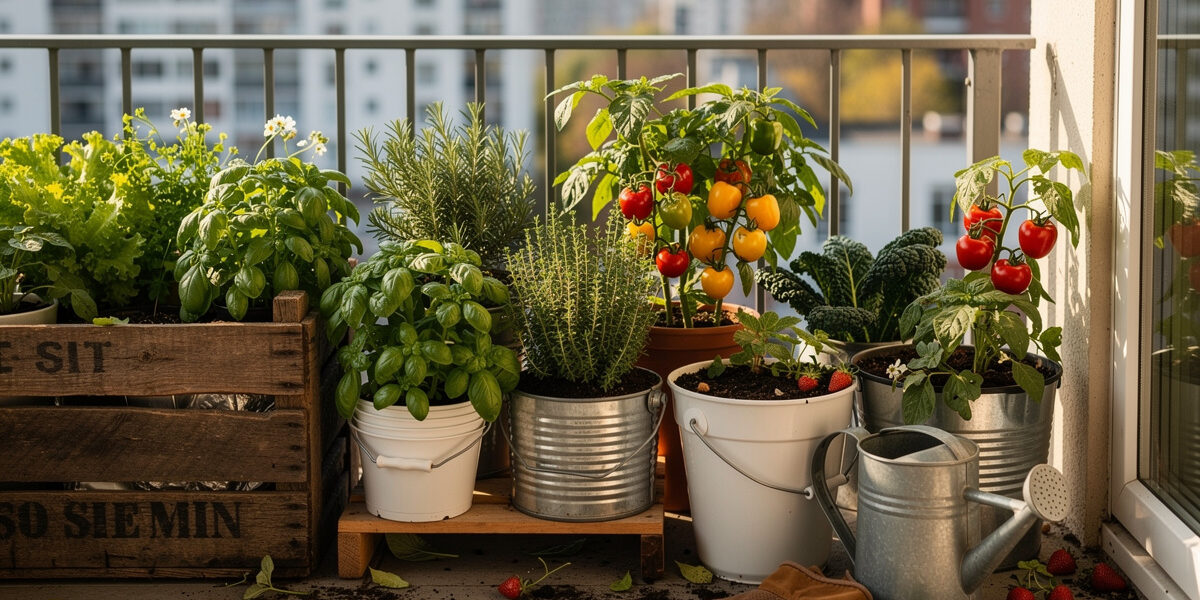
You don’t need a massive budget to start growing your own fresh organic food in the city. In fact, urban gardening is one of the few productive hobbies that can completely pay for itself within the very first growing season. This comprehensive guide shows you exactly how to start a high-yield container garden for under $50 by using smart shopping strategies and DIY solutions that actually work.
The Numbers That Matter
Before diving into strategies, here’s what budget urban gardening can achieve:
- Minimum startup cost: $25
- First season ROI: 400%
- Conservative harvest value: $90+ from a $25 investment
A $25 investment gives you fresh salad, basil, and tomatoes all summer—worth $90+. That’s a 4:1 return on every dollar you invest.
Save Money on Soil
Potting mix is an ongoing expense since containers need fresh or refreshed soil each season. Here’s how to minimize that cost without sacrificing plant health.
Strategy 1: Buy in Bulk (Not Small Bags)
Those convenient small bags are the most expensive way to buy soil. Compare the real cost:
| Package Size | Price | Cost per Quart | Savings |
|---|---|---|---|
| 8-quart small bag | $6 | $0.75 | Baseline (most expensive) |
| 2 cubic foot (large bag) | $12 | $0.20 | 73% cheaper |
| Bulk delivery (1 cubic yard) | $50-80 | $0.06 | 92% cheaper |
Pro tip: If you have space to store it, bulk soil costs 90% less than small bags. Split a delivery with neighbors to make it worthwhile.
Strategy 2: Make Your Own Potting Mix
Basic potting mix is just three ingredients. Mixing your own saves 40-60%:
- 1 part peat moss or coco coir: Retains moisture
- 1 part compost: Provides nutrition
- 1 part perlite or coarse sand: Improves drainage
Cost: About $0.12 per quart (60% cheaper than pre-mixed).
Strategy 3: Refresh Instead of Replace
Don’t dump last year’s container soil. Instead, refresh it with this 4-step process:
- Remove old plant debris and roots
- Add 25-30% fresh compost
- Mix in a handful of slow-release fertilizer
- Aerate with a trowel to restore structure
This works almost as well as new soil at 25% of the cost. Replace completely every 3-4 seasons.
Free Compost Sources
Check what you have access to:
- Municipal compost program: Many cities offer free compost to residents
- Coffee grounds: Starbucks and local cafes often give away used grounds
- Leaf collection: Shredded fall leaves become excellent compost in 6 months
- Your kitchen: A small worm bin or bokashi system converts scraps into premium compost
Call your municipality and ask about free compost. Many offer it but don’t actively advertise.
Bottom line: By buying bulk, making your own mix, and refreshing soil, you can reduce soil costs by up to 85% over 3 years.
Seeds vs. Transplants: The Math
This is where budget gardeners gain serious advantage. Understanding the economics changes everything.
Cost Comparison
| Buying Transplants | Growing from Seed |
|---|---|
| 1 tomato plant: $4-6 | Tomato seed packet (25+ seeds): $3 |
| 1 basil plant: $3-5 | Basil seed packet (200+ seeds): $2 |
| 6-pack lettuce: $4-5 | Lettuce seed packet (500+ seeds): $2 |
| 1 pepper plant: $4-6 | Pepper seed packet (25+ seeds): $3 |
| Total for 10 plants: $50-70 | Total for 100+ plants: $10 |
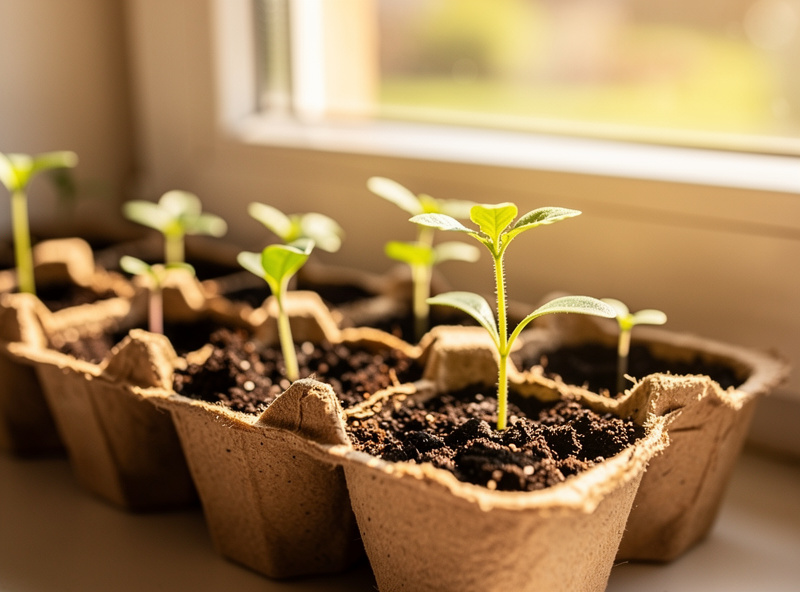
A $3 tomato seed packet can produce 25 plants—equivalent to $100+ worth of nursery transplants. Even accounting for seeds that don’t germinate, starting from seed costs 80-90% less.
When Transplants Are Still Worth It
Despite the cost difference, buying transplants makes sense when:
- You’re a beginner (faster success builds confidence)
- You’re growing slow starters like peppers or eggplant
- You missed the window for starting seeds
- You only need 1-2 of a specific plant
Hybrid strategy: Grow easy plants from seed (lettuce, beans, herbs) and buy transplants for harder crops.
DIY Fertilizers and Soil Amendments
Commercial fertilizers work fine, but you can grow productive plants without buying them.
Kitchen Scraps That Become Fertilizer
Banana Peel Tea: Soak peels in water for 48 hours. Use the “tea” to water plants—rich in potassium during fruiting stage.
Eggshell Calcium: Crush dried eggshells into powder. Sprinkle around tomatoes and peppers—prevents blossom end rot.
Coffee Grounds: Sprinkle on soil surface as slow-release nitrogen. Best for acid-loving plants.
Cooking Water: Water used to boil vegetables or pasta contains nutrients. Let cool and use on plants.
Compost Tea
Fill a bucket 1/3 full with finished compost. Top off with water. Let steep for 3-5 days, stirring occasionally. Strain and dilute to the color of weak tea. Use as all-purpose fertilizer.
Weed Tea
Yes, weeds become fertilizer. Fill a bucket with pulled weeds (avoid those that have gone to seed). Cover with water and let rot for 2-3 weeks. The result is nitrogen-rich. Dilute 1:10 with water before using.
Bottom line: Your kitchen produces free fertilizer every day. Combine these DIY solutions with slow-release fertilizer at planting time, and you’ll barely need to buy any fertilizers at all.
Tools to Skip or Replace
The gardening industry sells solutions to problems you don’t have. Here’s what you actually need.
Essential (Worth Buying)
- A good hand trowel: $8-15. Your primary tool for everything.
- Watering can: $10-15. Or use a milk jug with holes in the lid.
Kitchen Substitutes
| Instead of: | Use: |
|---|---|
| Pruning shears | Kitchen scissors |
| Dibber (hole maker) | Chopstick or pencil |
| Plant labels | Popsicle sticks or yogurt lids |
| Soil scoop | Large spoon or cut plastic bottle |
Total Waste of Money (Skip Entirely)
- Matching tool sets (you’ll use one tool)
- Specialized fertilizers (all-purpose works for everything)
- Soil testing kits (for container plants with fresh soil)
- Decorative plant markers (write on tape)
- Gardening gloves for container work (unless you have skin sensitivity)
Bottom line: Most urban gardeners use the same 2-3 tools for everything. Buy a good trowel and watering can, use your kitchen for the rest. Save $50-100 on unnecessary “specialty tools.”
Budget Garden Calendar: When to Buy What
Timing your purchases saves significant money. Here’s your month-by-month shopping strategy.
| When | What to Do |
|---|---|
| February-March | Buy seeds (best selection). Start collecting free containers from bakeries. |
| April | Buy potting mix before price increases. Pick up municipal compost if available. |
| May-June | Watch for sales on leftover transplants (often 50% off). Avoid full price. |
| July | Take cuttings from plants (basil, mint, tomatoes root easily in water). Free plants! |
| August-September | Best sales of the year: 50-75% off containers, tools, and supplies. Stock up for next year. |
| October-November | Collect fallen leaves for composting. Save seeds from your best plants. |
Bottom line: By following this calendar, you can save 60-70% on garden expenses compared to buying at the wrong time. The August sale alone can save you $100+ on next year’s needs.
The Extreme $25 Starter Garden
Here’s proof that money shouldn’t stop anyone from growing food. This setup costs under $25 and produces enough herbs and salad greens to impact your grocery bill.
Shopping List
| Item | Cost |
|---|---|
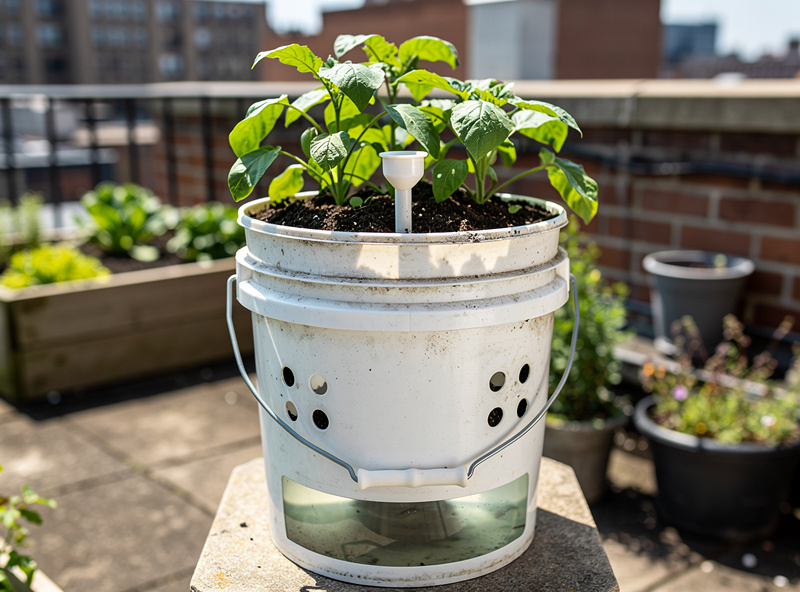
| 3 five-gallon buckets from bakeries | FREE (or $9) |
| 1 bag potting mix (2 cubic feet) | $10-12 |
| 3 seed packets (lettuce, basil, cherry tomato) | $6 |
| 1 hand trowel (or use a large spoon) | $0-8 |
| TOTAL | $16-35 |
Expected Harvest Value (Conservative)
| Crop | Yield | Value |
|---|---|---|
| Lettuce | 6-8 weeks of salad greens | $30+ |
| Basil | Fresh basil all summer | $20+ |
| Cherry Tomatoes | 10-20 lbs of tomatoes | $40+ |
| TOTAL HARVEST VALUE | $90+ |
That’s a 400%+ return on investment in the first season. And the buckets and trowel are reusable for years.
Common Budget Gardening Mistakes
Saving money is great, but not at the expense of plant health. Avoid these false economies:
Using Garden Soil in Containers: Digging up garden soil seems free, but it compacts in containers, drains poorly, and often contains weed seeds, pests, and diseases. Always use potting mix or a homemade equivalent.
Skipping Drainage Holes: That beautiful pot without holes isn’t worth saving if it kills your plants. Always drill drainage holes or use containers as cachepots with a functional inner pot.
Old Seeds Without Testing: Free seeds from five years ago might not germinate. Before planting old seeds, test viability: place 10 seeds on a moist paper towel in a plastic bag. If fewer than 5 sprout within a week, plant extra thick or buy fresh.
Containers Too Small: That cute little pot was free, but tomatoes need 5+ gallons of soil. Cramped plants produce less and need constant watering. It’s more cost-effective to grow fewer plants well than many plants poorly.
Building a Self-Sustaining Garden
The ultimate budget garden eventually costs almost nothing to maintain. Here’s how to get there:
Year 1: Establish the Basics ($50-75)
- Buy containers and basic tools (one-time cost)
- Buy potting mix and seeds
- Focus on easy, productive plants
Year 2: Start Saving ($15-25)
- Save seeds from your best plants
- Start composting kitchen scraps
- Refresh soil instead of replacing
- Take cuttings to propagate perennial herbs
Year 3 and Beyond ($5-10)
- Plant exclusively saved seeds
- Use homemade compost as primary soil amendment
- Trade seeds and plants with other growers
- Buy only soil amendments or specialty seeds
Established urban gardeners often spend less than $10 per year on their gardens while harvesting hundreds of dollars worth of produce.
Seed Libraries and Plant Swaps: Free Plants in 2026
Your local library might already stock seeds. The Seed Library Social Network now lists over 800 public libraries across the US and Canada that let cardholders “borrow” seeds for free — you take home 5-10 seed packets, grow the plants, and return saved seeds at the end of the season. Most branches added herb and vegetable seeds in 2025-2026 due to demand. No library nearby? Search “[your city] plant swap” on Facebook or Nextdoor — neighborhood plant swaps happen weekly during growing season in most cities, and most participants give away extra seedlings for free. Between seed libraries and community swaps, you can stock an entire balcony garden without spending a dollar on plants.
Final Thoughts
Budget urban gardening isn’t about going without or making do with less. It’s about putting your money where it actually matters: good soil, viable seeds, and your time and attention.
A $50 investment in a well-planned container garden provides:
- $200-400 worth of fresh produce annually
- Reduced grocery bills year after year
- Skills that save more money each season
- Self-sufficiency that’s priceless
Don’t wait until you can afford the Instagram-perfect garden. Start with a bucket, some soil, and a tomato seed. The harvest doesn’t care what it cost.
Ready to start growing? Check out our complete equipment guide to see exactly which tools you actually need, and read about common mistakes to avoid so you don’t waste money learning the hard way.
Can you really start a garden for under $50?
Yes. A basic container garden with a $10 bucket, $15 potting mix, $5 seeds, and $10 basic tools totals $40. Focus on fast-growing crops like lettuce, radishes, and herbs that produce within 30 days and provide the fastest return on investment.
What is the cheapest vegetable to grow?
Lettuce, radishes, and herbs are the cheapest vegetables to grow. A $3 packet of lettuce seeds produces 20+ heads worth $40-60 at the grocery store. Radishes mature in 25 days from $2 worth of seeds. Herbs like basil and cilantro cost pennies to grow but sell for $3-4 per bunch.
Do you need expensive equipment to start urban gardening?
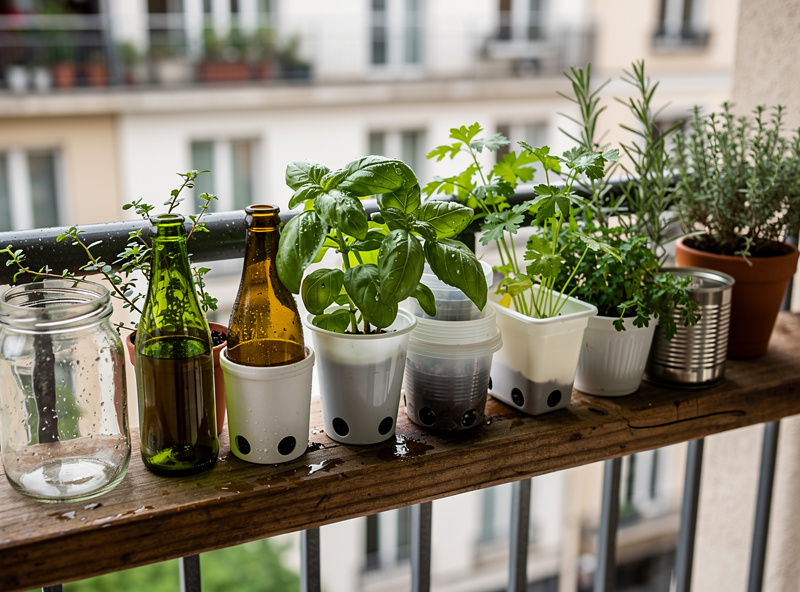
No. You can start with recycled containers (buckets, bottles, can), basic potting mix, seeds, and a watering can. Skip expensive raised beds, automated irrigation, and premium tools until you have proven your commitment and skill.
How do you save money on gardening supplies?
Use recycled containers, make your own compost from kitchen scraps, save seeds from harvested plants, buy seeds in bulk, and share tools with neighbors. Community gardens often provide shared tools and resources at no cost.
How much money can you save by growing your own food?
A well-planned $50 container garden can produce $200-400 worth of fresh produce annually. Herbs alone save $30-50 per month. The real savings compound over years as you develop skills, save seeds, and expand your garden.