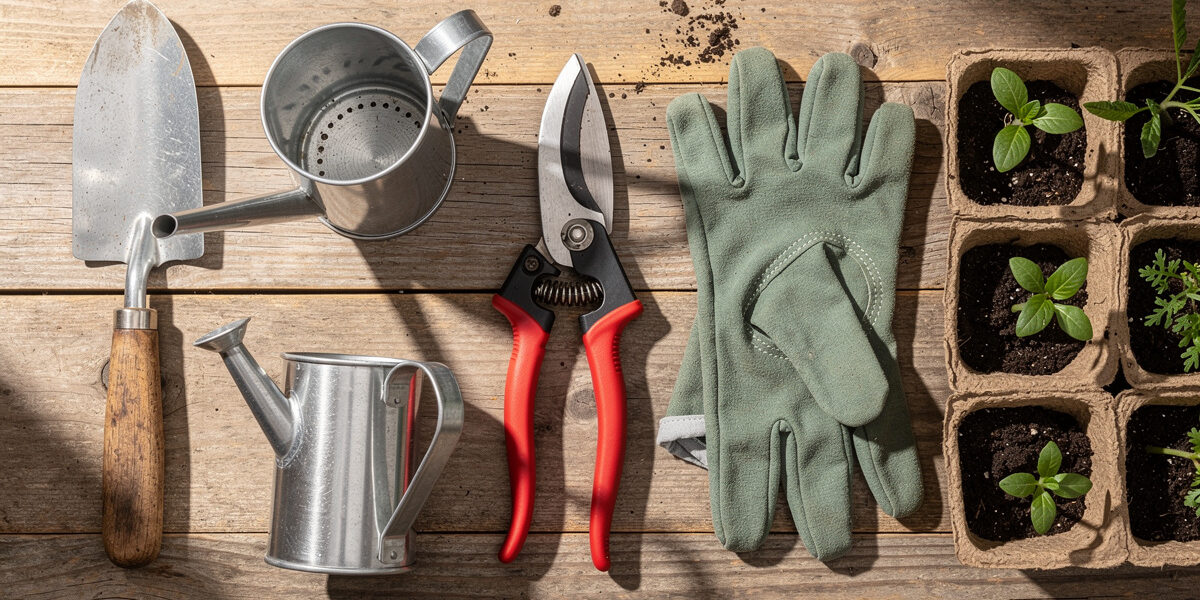
The 5 essential tools to grow a small urban garden cost a combined $30-50: a stainless hand trowel, watering can, bypass pruners, gardening gloves, and a soil moisture meter. Add a $25 LED grow light if you garden indoors, and that $75 kit covers every job a balcony, patio, or windowsill garden actually needs. The rest of the gardening aisle is upsell. This guide names the 5 must-haves, the 4 nice-to-haves, and the 12 products to skip entirely.
5 Essential Tools to Grow a Small Urban Garden
These are the tools you’ll actually use every time you garden. Buy quality versions of these first.
Containers with Drainage ($3-15 each)
Containers are your garden’s foundation — and on a balcony with weight limits, they are also the tool I think about most. Without proper containers, nothing else matters.
Best options:
- Food-grade 5-gallon buckets: $3-5 at hardware stores. Drill drainage holes and you’re set. Best value for tomatoes, peppers, and larger plants.
- Fabric grow bags: $8-15. Excellent drainage, air-prune roots, fold flat for storage. Perfect for balcony gardens.
- Plastic nursery pots: $2-8. Lightweight and widely available. Work fine for herbs and greens.
Container size guidelines:
- Herbs and greens: 1-2 gallon minimum
- Peppers and bush beans: 3-5 gallons
- Tomatoes and cucumbers: 5-10 gallons (bigger = better harvests)
Container Material Comparison
Different materials have distinct advantages and drawbacks. Understanding these helps you choose wisely:
Plastic containers:
- Pros: Lightweight, inexpensive, retain moisture well, won’t break if dropped
- Cons: Can degrade in UV light over time, may get too hot in direct sun (black plastic especially)
- Best for: Most urban gardeners, especially those with weight restrictions on balconies
Terracotta and ceramic:
- Pros: Beautiful appearance, heavy (stable in wind), breathable (roots get oxygen)
- Cons: Heavy (hard to move), break easily, dry out faster, expensive
- Best for: Permanent displays, Mediterranean herbs that prefer drier conditions
Fabric grow bags:
- Pros: Excellent drainage, air-prune roots (prevents root-binding), fold flat for storage, lightweight
- Cons: Dry out quickly in hot weather, may need daily watering in summer
- Best for: Tomatoes, peppers, and root vegetables; gardeners who want healthier root systems
Metal containers:
- Pros: Durable, modern look, won’t crack or break
- Cons: Conduct heat (can cook roots in summer), may rust over time unless galvanized
- Best for: Cool-climate gardeners or shaded areas only
Wood containers and raised beds:
- Pros: Insulate roots well, natural look, can build custom sizes
- Cons: Heavy, will eventually rot, need food-safe wood (avoid treated lumber)
- Best for: Permanent installations, larger growing areas
Quality Potting Mix ($12-20)
Never use garden soil in containers—it compacts and kills plants. Quality potting mix is non-negotiable; the University of Wisconsin Extension’s guide to growing vegetables in containers is a solid free reference on why the right media matters.
What to buy:
- 2 cubic foot bag of quality potting mix: $12-15
- Look for: peat moss or coco coir base, perlite for drainage
- Avoid: “garden soil,” “topsoil,” or anything not labeled for containers
Money-saving tip: Make your own by mixing equal parts peat moss, compost, and perlite. Costs 50% less and performs just as well.
Hand Trowel ($8-15)
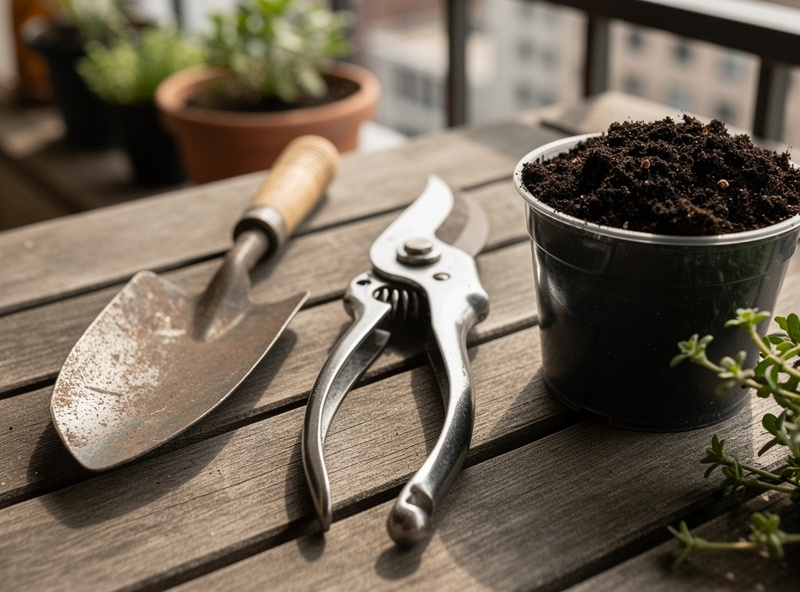
Your primary tool for everything — planting, transplanting, mixing soil, and cultivating. I have worn out two dollar-store trowels in a single season before buying a stainless one that still looks new three years later. Do not cheap out here; a good trowel lasts decades. As an Amazon Associate I earn from qualifying purchases.
What to look for: Browse stainless steel hand trowels on Amazon.
- Stainless steel blade (won’t rust or bend)
- Comfortable handle with grip
- Forged (not stamped) metal for strength
Budget option: Dollar store trowels work for a season, but you’ll replace them yearly.
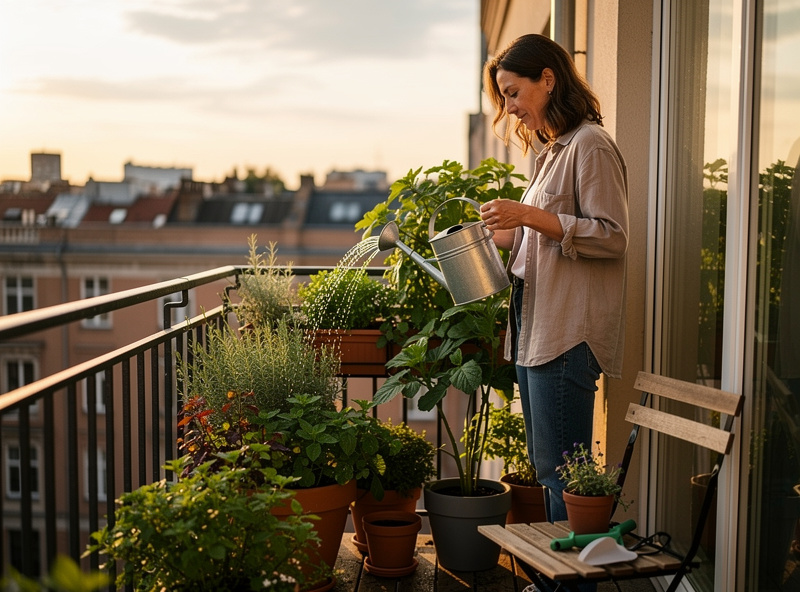
Watering Can ($10-15)
Essential for controlled watering, especially for seedlings and containers under covered areas.
Best features: Browse 2-gallon watering cans on Amazon.
- 2-gallon capacity (large enough without being heavy)
- Removable rose (sprinkler head) for different watering needs
- Long spout for reaching into dense plantings
Free alternative: Repurposed milk jug with holes poked in the lid works surprisingly well.
Pruning Snips or Kitchen Scissors ($10-15)
Harvesting herbs and greens with your fingers damages plants and reduces future production — I learned this the hard way with a basil plant that took three weeks to recover from torn stems. Clean cuts heal faster and encourage more growth. A sharp pair of bypass pruners is the difference between a plant that produces for two months and one that bolts after two harvests.
Features that matter:
- Stainless steel blades
- Spring-action opening (reduces hand fatigue)
- Fine point for precise cuts
Kitchen substitute: Sharp kitchen scissors work fine to start. Upgrade when you’re harvesting regularly.
Moisture Meter ($10-15)
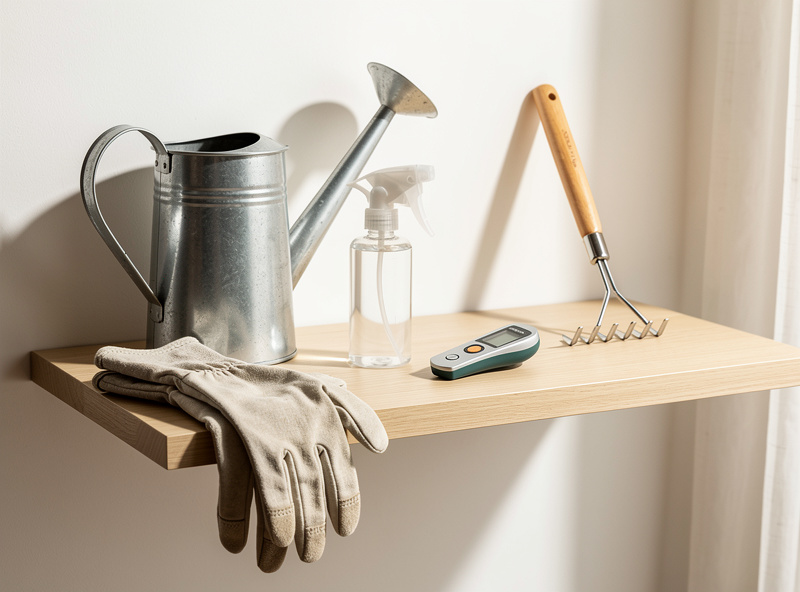
Takes the guesswork out of watering — and if you are growing indoors through the dark months like I do, a moisture meter is worth its weight in saved seedlings. Overwatering kills more container plants than underwatering. A $10 moisture meter saves countless plants. A good moisture meter belongs in any indoor gardening essentials kit.
How to use: Insert probe into soil at root level (not just the surface). Water when the meter reads “dry” for most vegetables.
Slow-Release Fertilizer ($12-20)
Container plants need regular feeding because nutrients wash out with watering. Slow-release granules feed plants for 3-4 months with one application.
Best choice: Organic slow-release fertilizer with balanced NPK (nitrogen, phosphorus, potassium). Apply at planting time and mid-season.
Plant Supports ($10-25)
Tomatoes, peppers, and climbing beans need support. Without it, they’ll sprawl, break, and produce less.
Budget option: Bamboo stakes ($5 for a bundle) and garden twine.
Better option: Tomato cages ($8-15 each). Choose sturdy wire cages, not the flimsy cone-shaped ones.
Support types explained:
- Stakes: Single poles for peppers, eggplants, and determinate tomatoes. Tie plants loosely with soft twine or fabric strips.
- Cages: Best for indeterminate tomatoes that grow continuously. Allow plants to grow naturally within the cage structure.
- Trellises: Ideal for climbing plants like beans, peas, and cucumbers. Can be DIY (string trellis) or purchased.
- Obelisks and teepees: Attractive supports for beans and flowering climbers. Easy to make from bamboo poles.
When to install: Always add supports at planting time. Installing later risks damaging established roots.
Kneeling Pad ($10-15)
Your knees will thank you. Even on a balcony, you’ll spend time at ground level. A simple foam pad makes container maintenance much more comfortable.
Caring for Your Tools
A few minutes of maintenance extends tool life by years and prevents spreading disease between plants.
After Each Use
- Wipe soil off metal parts with a dry cloth
- Rinse pruning tools if they touched diseased plants
- Store in a dry location (not outside in the rain)
Monthly Maintenance
- Clean pruning blades with rubbing alcohol to disinfect (Iowa State Extension explains why this matters between plants)
- Check for rust spots and remove with steel wool
- Apply a thin coat of oil to metal parts (vegetable oil works)
- Tighten any loose screws or handles
End of Season
- Clean all tools thoroughly before storage
- Sharpen pruning blades (or have them professionally sharpened)
- Oil metal parts liberally for winter storage
- Store indoors or in a dry shed—not in damp garages
Well-maintained tools work better and last for decades. A quality trowel can outlast multiple cheap replacements while performing better throughout its life.
Essential Tools Comparison
| Tool | Price Range | Priority | Why You Need It |
|---|---|---|---|
| Hand Trowel | $5-15 | Essential | Planting, transplanting, mixing soil |
| Watering Can | $8-20 | Essential | Controlled watering for containers |
| Pruning Shears | $10-25 | Essential | Harvesting, deadheading, pruning |
| Gardening Gloves | $5-15 | Recommended | Hand protection from thorns and dirt |
| Spray Bottle | $3-8 | Recommended | Misting, applying organic pest sprays |
| Soil Moisture Meter | $8-15 | Optional | Take guessing out of watering |
What NOT to Buy (Skip These Entirely)
The gardening industry profits from convincing beginners they need specialized equipment. Here’s what experienced urban gardeners skip:
Expensive Soil Testing Kits ($20-50)
Why skip it: You’re using fresh potting mix, not garden soil. The pH and nutrient levels are already optimized. Testing makes sense for in-ground gardens, not containers.
Exception: If plants consistently struggle despite proper care, a basic pH test ($10) might reveal issues.
Self-Watering Planters (for beginners)
Why skip it: Learning to water properly is a fundamental skill. Self-watering systems can mask problems and prevent you from understanding your plants’ needs.
Exception: Useful for frequent travelers once you understand your plants’ water requirements.
Grow Lights (unless you’re growing indoors year-round)
Why skip it: Expensive to buy and operate. Most urban gardeners have enough natural light from windows, balconies, or patios.
Exception: Essential for indoor seed starting or year-round indoor growing. Budget $100+ for effective LED panels.
Automatic Irrigation Systems
Why skip it: Overkill for 5-20 containers. By the time you set it up and troubleshoot leaks, you could have hand-watered for a month.
Exception: Makes sense for 30+ containers or rooftop gardens. Consider drip irrigation if you scale up significantly.
Specialty Fertilizers
Why skip it: “Tomato food,” “herb fertilizer,” and “bloom boosters” are marketing. A balanced, all-purpose fertilizer works for everything.
Exception: Heavy feeders like tomatoes benefit from extra calcium (crushed eggshells work free).
Seasonal Equipment Adjustments
Your equipment needs change throughout the year. Here’s how to adapt:
Spring
- Inspect containers for winter damage (cracks, degradation)
- Clean and disinfect pots from last year before reusing
- Stock up on potting mix before prices rise
- Test watering can for leaks after winter storage
Summer
- Add saucers under containers to catch drainage and reduce watering frequency
- Consider shade cloth for containers in extreme heat
- Move terracotta and dark containers out of direct afternoon sun
- Have extra containers ready for succession plantings
Fall
- Clean and store summer equipment before winter
- Watch end-of-season sales for next year’s containers and tools (50-75% off)
- Prepare cold frames or row covers if extending the season
- Empty and store fabric grow bags (they last longer when not frozen)
Winter
- Store all tools indoors or in dry conditions
- Plan next year’s container garden while prices are low
- Repair or replace damaged equipment before spring rush
- Research new tools you might need for expanded growing plans
Urban Gardening Budget Breakdown
| Budget Level | Spend | What You Get | Best For |
|---|---|---|---|
| Bare Minimum | $20-30 | Trowel, watering can, 3 containers, soil | Testing the waters |
| Starter Kit | $40-60 | Full tool set, 5 containers, soil, seeds | First serious garden |
| Complete Setup | $60-75 | All tools, quality containers, fertilizer, trellis | Year-round growing |
Building Your Equipment Over Time
The smartest approach is to start minimal and add tools as you identify genuine needs.
Month 1: The Basics ($50-75)
- 2-3 containers with drainage
- Potting mix
- Hand trowel
- Watering can
- A few seedlings or seed packets
Month 2-3: Based on Experience ($25-50)
- More containers (you’ll want them)
- Moisture meter (if struggling with watering)
- Pruning snips (when harvesting begins)
- Plant supports (for tomatoes and climbers)
Season 2: Optimization ($50-100)
- Seed starting supplies (if you want to grow from seed)
- Quality fertilizers (based on what you’re growing)
- Larger containers (for bigger plants)
- Vertical growing systems (if space is limited)
Smart Shopping Tips
Where to Buy
- Dollar stores: Surprisingly good for basic tools, stakes, and small pots
- Hardware stores: Better prices than garden centers for buckets, soil, and basic supplies
- End-of-season sales: August-September for 50-75% off containers and tools
- Online: Best for specialty items, seeds, and comparing prices
- Local nurseries: Higher prices but expert advice and healthier plants
Where NOT to Buy
- Grocery store garden sections: Overpriced, limited selection, poor quality plants
- Big-box garden centers in spring: Peak prices, picked-over selection
- Anywhere selling “miracle” products: If it sounds too good to be true, it is
The Complete Starter Shopping List
Here’s exactly what to buy for your first urban garden, organized by priority. If you’re completely new to growing food in the city, start with our urban gardening beginner guide for step-by-step instructions before buying anything.
Must Have (Week 1) – Total: ~$50
- ☐ 3x 5-gallon containers with drainage – $15
- ☐ Potting mix (2 cubic feet) – $12
- ☐ Hand trowel – $8
- ☐ Watering can – $10
- ☐ 3-4 seedlings or 2 seed packets – $10
Add Later (Week 3-4) – Total: ~$25
- ☐ Moisture meter – $10
- ☐ Pruning snips – $10
- ☐ Slow-release fertilizer – $12
As Needed – Total: Varies
- ☐ Additional containers
- ☐ Plant supports
- ☐ More seeds/plants
Equipment Maintenance Schedule
Most urban gardeners replace tools because of neglect, not wear. Following a simple maintenance schedule extends tool life by years and prevents disease transmission between plants.
| Frequency | Task | Time Required | Impact |
|---|---|---|---|
| After each use | Wipe soil off metal parts | 30 seconds | Prevents rust buildup |
| Monthly | Disinfect pruning blades with rubbing alcohol | 2 minutes | Prevents disease spread |
| Monthly | Apply thin coat of vegetable oil to metal | 1 minute | Prevents corrosion |
| End of season | Sharpen pruning blades | 10 minutes | Clean cuts heal faster |
| End of season | Oil all metal parts, store indoors | 5 minutes | Prevents winter damage |
The best urban gardening equipment is whatever gets you growing today. A $3 bucket, some potting mix, and a tomato plant are all you need to start. I began with a single fabric grow bag, a kitchen spoon as a trowel, and a basil seedling from the supermarket — that setup taught me more about watering and light than any gear guide ever could. Every experienced urban gardener began with less than they thought they needed — the tools matter less than showing up consistently and learning from each season.
Ready to start growing? Check out our guide to the 15 best vegetables for urban gardens and pick your first plants today.
2026 Update: Multi-Tool Gardening Knives Replacing Trowels
A quiet trend in 2025-2026 urban gardening is the shift from traditional trowels to Japanese-style hori-hori knives as the primary digging tool. A hori-hori ($15-25) replaces a trowel, weeder, transplanting spade, and root saw in a single tool — the serrated edge cuts through compacted container soil and root-bound potting mix that standard trowels bounce off of. The concave blade scoops soil efficiently, and the pointed tip doubles as a dibber for seed holes. For a balcony gardener with limited tool storage, one hori-hori replaces 3-4 separate tools and takes up less space than a single traditional trowel.
What is the most important tool for container gardening?
A good hand trowel is the most essential tool. You’ll use it for planting, transplanting, mixing soil amendments, and digging drainage holes. Invest in a sturdy stainless steel trowel—it will last for years and make every gardening task easier.
Do I need expensive gardening tools for urban gardening?
No. A complete urban gardening toolkit costs $30-50. You need a hand trowel ($5-15), watering can ($8-20), pruning shears ($10-25), and gloves ($5-15). Many urban gardeners start with kitchen spoons and repurposed bottles before investing in proper tools.
What containers can I repurpose for urban gardening?
Food-grade 5-gallon buckets (free from bakeries), storage totes, old colanders, wooden crates, and even large coffee cans work as containers. The key requirements are: food-safe material, drainage holes, and adequate size for the plant. Never use containers that held chemicals or non-food substances.
Is a soil moisture meter worth buying?
A moisture meter ($8-15) is helpful for beginners who struggle with watering decisions, but the finger test (inserting your finger 2 inches into soil) works just as well and is free. Consider a moisture meter if you tend to overwater or have plants that are sensitive to moisture levels.
What gardening tools should I avoid buying?
Skip: garden forks (too large for containers), wheelbarrows (unnecessary for balconies), soil test kits (potting mix pH is usually fine), and expensive tool sets with gadgets you’ll never use. Stick to the basics: trowel, watering can, pruners, and gloves.
Related Articles
Continue your urban gardening journey with these helpful guides:
- How to Start Urban Gardening: Complete Beginner’s Guide – The perfect starting point for anyone new to growing food in the city
- 15 Best Vegetables for Urban Gardens – Space-efficient vegetables ranked by ease and productivity
- Vertical Gardening 101 – Maximize your growing area by growing upward
- Indoor vs Outdoor Urban Gardening – Which approach fits your space and lifestyle
- Urban Gardening on a Budget – Start growing food for under $50
- 7 Urban Gardening Mistakes to Avoid – Learn from common errors and save your plants