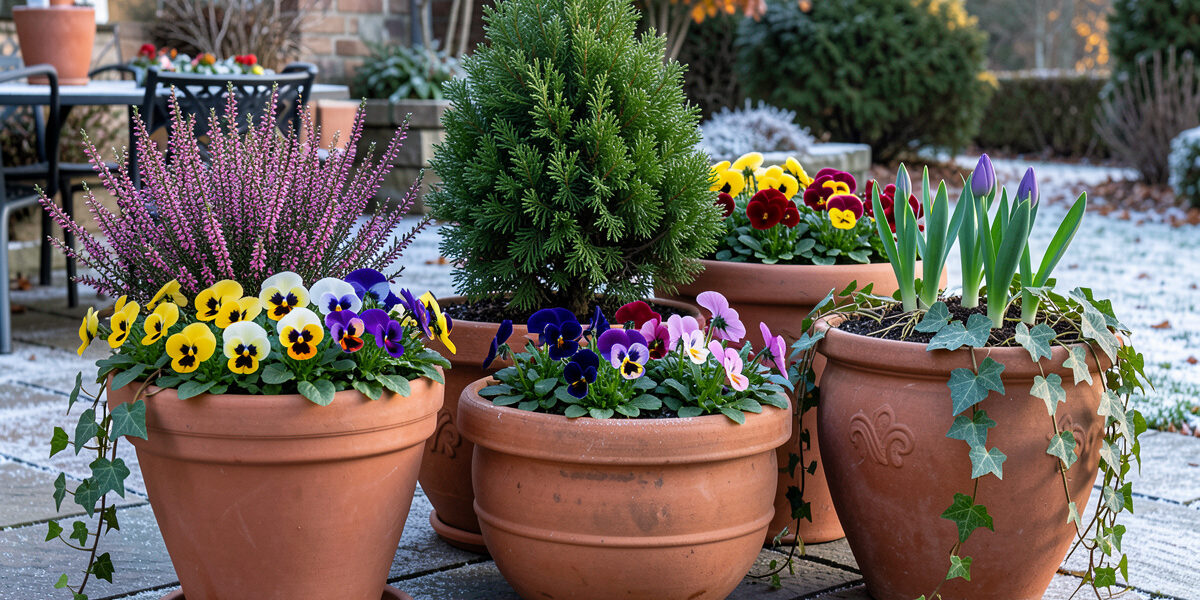
The best all year round flowers for pots include pansies for winter, daffodils for spring, geraniums for summer, and chrysanthemums for autumn. By selecting the right plants for each season, you can maintain vibrant container displays twelve months a year.
For a complete overview of container planting methods, pot selection, and seasonal planning, see our container gardening complete guide. The focus below is on the flowers — which ones bloom when, and how to keep the color running through all four seasons.
Container gardening offers unique advantages for year-round color. Unlike garden beds, pots can be moved to optimal conditions and refreshed with seasonal plants. This flexibility makes it possible to enjoy continuous blooms even in the smallest spaces. Strategic planning ensures you always have something in flower.
Why Container Gardening Works for Year-Round Color
Containers allow precise control over growing conditions — the key advantage when you garden in a Nordic climate where winter light is scarce and the growing season is short. On my balcony, I move pots to the sunniest corner in winter, shift them into partial shade during the July heat, and swap out spent plants immediately rather than waiting for perennials to recover. This flexibility creates reliable color displays regardless of season.
Small containers fit balconies, patios, doorsteps, and windowsills. Even renters can enjoy container gardens that move with them. The portability allows bringing plants indoors during extreme weather, extending their lifespan and flowering period.
Container soil warms faster in spring, giving early blooms a head start. Drainage holes prevent waterlogging that kills many garden plants. Fertility control through potting mix selection and feeding produces more vigorous flowering than garden soil.
Winter Blooming Plants (December-February)
Winter is the season that separates serious container gardeners from the fair-weather crowd. In a Nordic winter, the daylight drops to 4-6 hours and the temperature stays below freezing for weeks. The plants below are the ones that actually push flowers through that — not greenhouse optimists that fold the first time the pot freezes solid. I learned this the hard way: my first winter, I lost half my winter pansies to a January thaw-refreeze cycle because I had let the pots sit in water that froze into an ice block around the roots.
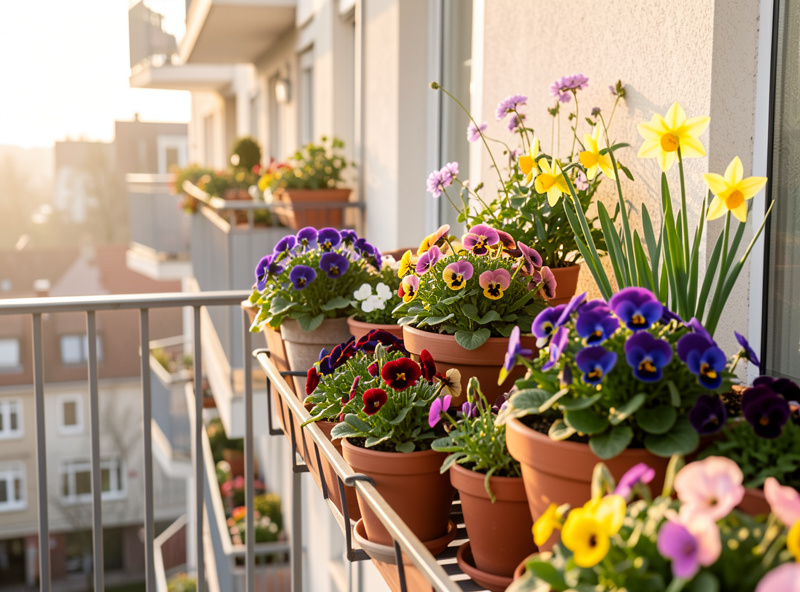
Planning tip: Plant winter containers in early autumn so plants establish before hard frost. In my climate, I aim for mid-September — anything planted after October struggles to root before the freeze. Choose cold-hardy varieties rated for your zone. The RHS winter container guidance makes the same point: start with good-sized plants, give the pot as much winter light as possible, and water carefully through the cold months (Containers: Winter Planting Ideas, RHS).
Pansies and Violas
These hardy flowers bloom through frost and snow. Modern varieties offer colors from white and yellow to deep purple and burgundy. Plant in early autumn for winter-long display. Choose large-flowered pansies for bold impact or smaller violas for delicate charm.
Winter Heather (Erica carnea)
Pink, white, or purple flowers appear from December through March. This low-growing evergreen tolerates cold and provides nectar for early pollinators. Combines beautifully with trailing ivies. Space plants 6 inches apart for full coverage.
Cyclamen coum
Delicate pink or white flowers with silver-patterned leaves. These tuberous plants naturalize in pots and return reliably each winter. Plant tubers 2 inches deep in early autumn. Protect from excessive winter moisture.
Ornamental Kale and Cabbage
Stunning foliage in pink, purple, and white improves as temperatures drop. These architectural plants create winter interest when flowers are scarce. Tolerate frost down to 20 degrees Fahrenheit. Combine with violas for textural contrast.
Winter Jasmine (Jasminum nudiflorum)
Trailing stems with bright yellow flowers from January through March. Train up trellises in large containers for vertical winter color. Tolerates partial shade and cold temperatures.
Spring Flowers (March-May)
Transition tip: As winter plants fade, replace them gradually with spring selections. Keep some winter bloomers that persist into spring for overlap. I swap out my winter pansies in late March as the daffodils break through — pulling the dead material and top-dressing with fresh compost gives the bulbs a clean stage.
Daffodils and Narcissi
Classic spring bulbs in yellow, white, and orange. Plant bulbs in autumn for March blooms. Compact varieties like Tete-a-Tete work perfectly in containers. Naturalize well, returning each spring. Deadhead spent blooms but leave foliage to feed bulbs.
Tulips
Available in virtually every color, tulips provide bold spring impact. Choose early, mid, and late varieties for extended bloom time. Triumph and Darwin hybrids offer best perennial performance in containers. Plant bulbs 6 inches deep in autumn.
Primroses and Polyanthus
Cheerful clusters of flowers in rainbow colors. These traditional spring plants thrive in cool, moist conditions. Perfect for shady patio corners or under early-season trees. Bloom for 6-8 weeks in spring.
Grape Hyacinths (Muscari)
Small blue flower spikes create drifts of color. Combine with yellow daffodils for classic spring combinations. Multiply quickly, providing increasing impact each year. Fragrant blooms attract early pollinators.
Pansies (Spring flush)
Cool spring weather brings pansies back into full bloom if they survived winter. Refresh with new plants for maximum color. Spring-planted pansies continue until summer heat arrives.
Forget-me-nots (Myosotis)
Delicate blue flowers self-seed readily. These filler plants soften container edges and complement spring bulbs. True blue color is rare in spring gardens. Biennial plants flower in second year.
Summer Blooms (June-August)
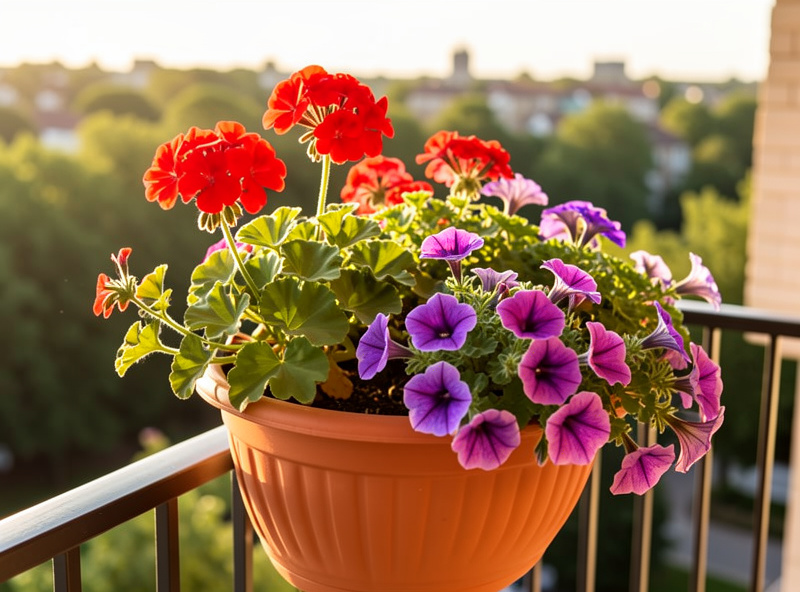
Success tip: Summer containers need daily watering in heat. On my balcony, July heat pushes fabric bags and terracotta pots to daily watering — I run self-watering inserts in the herbs and let ornamentals dry slightly between soaks. Choose drought-tolerant varieties for lower maintenance or commit to regular irrigation.
Geraniums (Pelargoniums)
The ultimate summer container plant. Red, pink, white, and salmon flowers bloom continuously in heat. Deadhead regularly for best performance. Zonal varieties offer upright growth; ivy types trail beautifully. Tolerate some drought once established.
Petunias
Trailing or upright varieties offer prolific blooms in sun. Modern varieties resist rain damage better than older types. Wave and Supertunia series bloom most prolifically. Daily deadheading extends bloom period significantly.
Calibrachoa (Million Bells)
Petunia-like flowers in profusion on trailing stems. These heavy bloomers excel in hanging baskets and window boxes. Self-cleaning varieties require less deadheading. Thrive in heat and sun.
Bacopa
Delicate white, pink, or blue flowers on trailing stems. Blooms continuously without deadheading. Tolerates some shade, making it versatile for various exposures. Combines well with bold-colored companions.
Portulaca (Moss Rose)
Succulent foliage and jewel-toned flowers in yellow, orange, pink, and red. Thrives in the hottest, driest conditions. Flowers close in shade or cloudy weather, reopening in bright sun. Excellent for neglectful gardeners.
Lantana
Clusters of tiny flowers in multicolor combinations. Butterflies and hummingbirds love these tough plants. Tolerate heat, humidity, and poor soil. Compact varieties stay under 12 inches perfect for containers.
Salvia
Spikes of blue, purple, red, or white flowers. Heat and humidity tolerant. Many varieties attract hummingbirds and butterflies. Deadhead to encourage repeat blooming. Architectural flower spikes add height variety.
Autumn Color (September-November)
Autumn is my favorite container season — the heat breaks, watering drops to every 3-4 days instead of daily, and the chrysanthemums and ornamental kale fill the pots just as the summer annuals look tired. In a Nordic climate, autumn also means the clock is ticking: I get my autumn containers planted by early September so they have 4-6 weeks of root growth before the first hard frost.
Planning tip: As summer plants fade, transition to autumn selections. Many late-season bloomers improve as temperatures cool.
Chrysanthemums
The quintessential autumn flower. Bronze, red, orange, and yellow blooms celebrate the changing season. Choose garden mums rather than florist types for hardiness. Pinch back through July for compact, blooming plants.
Ornamental Kale and Cabbage (Autumn)
Not flowers, but stunning foliage in pink, purple, and white. These architectural plants improve as temperatures drop. Tolerate frost well, often persisting into winter. Combine with pansies for textural contrast.
Sedum (Stonecrop)
Pink flower heads turn coppery-russet in autumn. Succulent foliage provides structure even after blooming ends. Drought tolerant and thrives in poor soil. Attracts butterflies and bees.
Asters
Daisy-like flowers in purple, pink, and white provide late-season nectar for pollinators. Compact varieties suit containers well. Bloom until frost. Divide every 2-3 years to maintain vigor.
Japanese Anemones
Elegant white or pink flowers on tall stems sway in autumn breezes. Provide vertical interest when many plants have finished. Tolerate partial shade. May spread in favorable conditions.
Ornamental Grasses
Feather reed grass, fountain grass, and blue fescue provide autumn texture. Plumes and seed heads create movement and seasonal interest. Leave standing through winter for continued structure.
Container Care Through the Seasons
Container flower gardening through all four seasons is a different discipline than in-ground flower beds. Pots freeze solid in winter, bake dry in summer, and leach nutrients faster than garden soil ever does. In a Nordic apartment context, the winter container on a balcony faces freeze-thaw cycles that crack terracotta, while the summer pot on a south-facing rail dries out in a single afternoon. The care routine below is what actually works — not the generic advice written for garden beds.
Soil: Use quality potting mix, not garden soil. Refresh completely each spring. Add slow-release fertilizer at planting.
Watering: Check daily in summer. Containers dry faster than garden beds. Water until excess drains from bottom holes. Morning watering prevents fungal issues.
Feeding: Apply liquid fertilizer every 2-3 weeks during growing season. Container plants exhaust nutrients quickly. Reduce feeding in autumn as growth slows.
Deadheading: Remove spent flowers regularly to encourage continuous blooming. This is essential for plants like petunias and geraniums.
Transition timing: Replace plants as seasons change. Remove summer plants showing decline. Plant autumn selections while soil remains warm for root establishment before winter.
Design Tips for Year-Round Containers
The art of year-round containers is not just picking flowers that bloom in sequence — it is designing the transition so there is never a bare-pot gap. In my setup, I plan the succession: pansies carry from October through March, daffodils poke up through them in April, summer annuals take over by June, and chrysanthemums land in September. The container stays full; only the cast changes. The RHS frames this the same way for bedding and containers — rotating half-hardy and hardy plants across spring, summer, and winter displays so colour never drops out (Best Bedding Plants for Colourful Displays, RHS). Use the formula below to build each seasonal arrangement.
Thriller, Filler, Spiller formula: Combine one tall thriller (salvia, grass), rounded fillers (geraniums, petunias), and trailing spillers (bacopa, calibrachoa) for professional-looking displays.
Color schemes: Choose harmonious palettes. Warm colors (red, orange, yellow) energize spaces. Cool colors (blue, purple, white) create calm. Limit to 3 main colors for cohesive design.
Texture combinations: Mix fine-textured plants (bacopa, fern) with bold leaves (ornamental kale, succulents). Contrast creates visual interest even without flowers.
Height variation: Use plant stands or overturned pots to create levels. Tall plants at back, short at front for visibility. This multi-layer approach looks abundant even in small containers. On a Nordic balcony where every square inch counts, I lean on the thriller-filler-spiller formula hard — one tall salvia or grass, two rounded geraniums or mums, and one trailing bacopa spilling over the rim. It reads as a finished garden arrangement even when the pot is only 12 inches across.
If you are stocking up on containers for a full seasonal rotation, browse outdoor planters and pot sets on Amazon — a mix of 8-inch, 12-inch, and 16-inch sizes covers everything from pansies to ornamental grasses. As an Amazon Associate I earn from qualifying purchases.
Related Articles
Learn about year-round hanging baskets for vertical options.
Discover heat-tolerant flowers for sunny container spots.
Find shrubs for containers for long-term structure.
Start with urban gardening basics for container success.
Frequently Asked Questions
What flowers bloom all year round in pots?
In mild climates, combine spring bulbs, summer annuals (petunias, geraniums), autumn mums, and winter-flowering plants (witch hazel, winter jasmine) for year-round color.
How do you keep flowers blooming continuously in pots?
Deadhead spent flowers regularly, feed every 2 weeks with liquid fertilizer, water consistently, and replace plants as they decline. Succession planting ensures continuous color.
What are the best continuous-blooming flowers for containers?
Petunias (Supertunia, Wave series), geraniums, calibrachoa (Million Bells), and begonias bloom continuously from spring to frost with minimal deadheading.
How often should you fertilize flowers in pots?
Feed container flowers every 2 weeks with liquid fertilizer during the growing season. Use slow-release fertilizer at planting time for baseline nutrition.