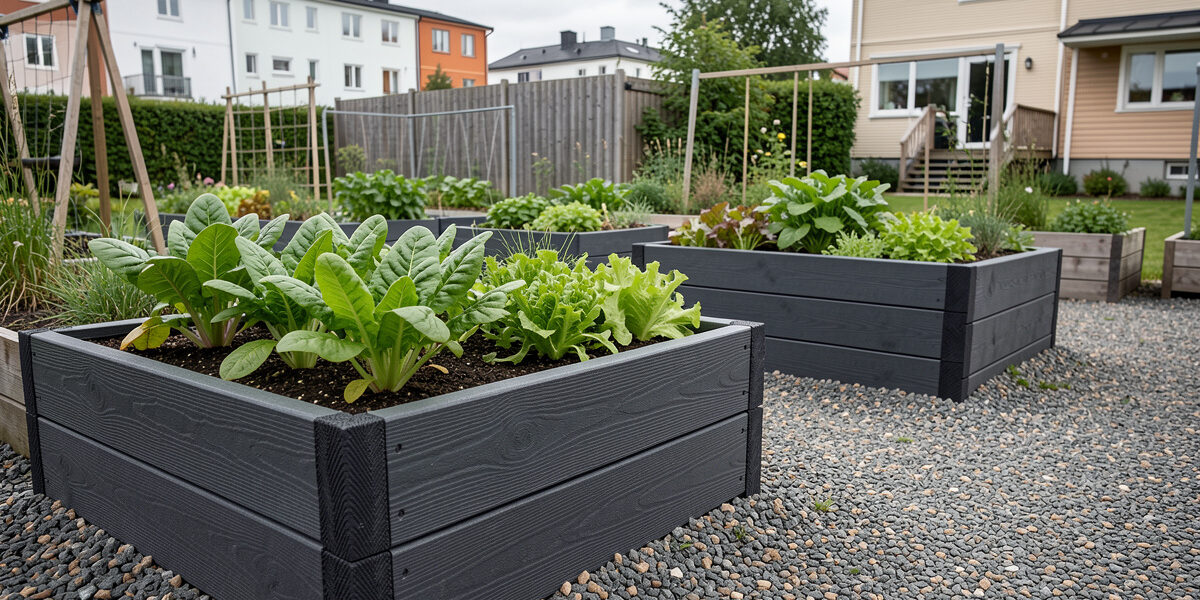
Heavy duty recycled plastic raised beds cost 2-3 times what a pine bed costs upfront, but they outlast wood by decades with no rot, no sealing, and no chemicals leaching into soil. I have run both a cedar bed and an HDPE plastic bed through four Nordic winters side by side on my balcony — the cedar needs re-sealing every spring while the plastic has not changed at all. For the full raised-bed picture, see my complete raised beds and planters guide.
As an Amazon Associate I earn from qualifying purchases.
Understanding Recycled Plastic Raised Bed Materials
Not all plastic raised beds are created equal. The market splits into several distinct material categories, and the differences between them matter more than the marketing copy suggests.
HDPE (High-Density Polyethylene)
Milk jugs, detergent bottles, and plastic bags recycled into durable boards. HDPE raised beds resist UV degradation, temperature extremes, and physical impact. Leading brands include Lifetime, Greenes Fence Premium, and Vegega.
Key characteristics:
- Extremely impact resistant
- Withstands temperature from -40°F to 140°F
- UV-stabilized colours resist fading
- Lightweight compared to composite alternatives
Wood-Plastic Composites (WPC)
Mixtures of recycled wood fibres and plastic polymers creating boards with a wood-like appearance but plastic durability. Brands like NewTechWood and Trex dominate this category.
Key characteristics:
- Natural wood-grain appearance
- Heavier than pure plastic
- Better screw holding than HDPE
- More expensive than HDPE options
Polypropylene Resin
Injection-moulded raised beds like Keter and Lifetime products. These feature double-walled construction with hollow cores that reduce weight while maintaining strength.
Key characteristics:
- Modular, snap-together assembly
- Insulating air gaps in walls
- Tool-free construction
- Limited colour options
Performance Analysis: The Critical Factors
Durability and Lifespan
Heavy-duty recycled plastic raised beds genuinely outlast wood alternatives. Where cedar lasts 15-25 years and treated pine 10-15, quality plastic products endure 25+ years without degradation. The lifespan figures track with what University of Maine Extension notes about wood alternatives — the lower-maintenance, longer-lived materials pull further ahead the wetter and colder the climate gets.
However, longevity depends on product quality. Cheap imported plastic beds may use inadequate UV stabilizers, becoming brittle and cracking within 5-7 years. Stick to established brands with proven track records and comprehensive warranties.
Real-world performance:
- No rot, insect damage, or moisture absorption
- Resists warping, splitting, and splintering
- Maintains structural integrity through freeze-thaw cycles
- Colours fade gradually but boards remain functional
Soil Health and Plant Performance
Concerns about plastic leaching chemicals into soil are largely unfounded for food-safe HDPE and polypropylene. These are stable polymers that do not break down or release compounds under normal garden conditions — they are the same materials approved for milk jugs and food containers. What does change is the growing dynamics compared to wood.
Advantages over wood:
- No chemical treatments affecting soil
- Impervious walls prevent soil contamination from external sources
- Smooth surfaces resist pest harborage
- Consistent soil moisture (non-absorbent walls)
Things to watch:
- Non-breathable walls may reduce soil aeration compared to wood
- Dark colours absorb heat, potentially warming soil excessively in hot climates
- No organic interaction with the soil ecosystem
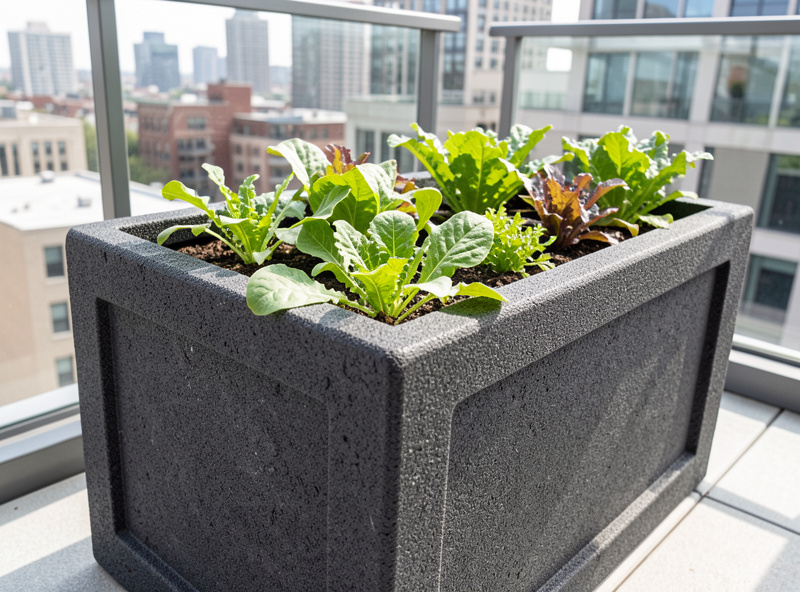
In my own plastic raised bed, I drill 3/8-inch drainage holes every 6 inches along the bottom panel and add an extra 2 inches of perlite to the bottom 4 inches of soil. Light-coloured plastic — I run the tan Lifetime — stays noticeably cooler than the dark charcoal one I tested first. On a July afternoon on my sun-baked balcony, the root zone temperature difference was enough to keep spinach from bolting two weeks longer. That is a real harvest window in a short Nordic season.
Environmental Impact
The environmental argument for recycled plastic beds is real but nuanced. On the positive side, they divert plastic waste from landfill, eliminate the need for chemical wood treatments, reduce demand for timber harvesting, and their long lifespan means fewer replacement cycles consuming fresh material. The honest counter-argument is that plastics retain significant material value yet face serious recycling challenges at end-of-life due to mixed resin types and additives — the EPA’s plastics material-specific data puts the US plastic recycling rate under 10 percent.
Trade-offs to weigh:
- Plastic production is energy-intensive
- End-of-life recycling is challenging (mixed materials)
- Microplastic concerns remain under study
- Transportation footprint (often manufactured overseas)
Overall, recycled plastic beds likely offer neutral-to-positive environmental impact compared to treated lumber, especially when you factor in the replacement cycles that wood demands.
Aesthetic Appeal
Beauty is subjective, but plastic raised beds present distinct visual characteristics worth knowing before you buy. HDPE options often resemble painted wood from a distance but appear obviously synthetic up close, available in various colours including realistic wood tones. Composite options are the most convincing wood alternatives, with grain patterns and colour variations — some weather realistically, others stay pristine. Resin options have a clean, modern, sometimes toy-like appearance, with double-walled construction creating distinctive shadow lines.
For contemporary urban gardens, plastic beds integrate well. Traditional cottage gardens may prefer natural wood. Consider your overall landscape design when evaluating appearance.
Installation and Assembly
Recycled plastic beds offer significant assembly advantages over wood.
Ease of construction:
- No carpentry skills required
- Pre-cut components with precise joinery
- No splinters or rough edges
- Lightweight panels manageable by one person
Rough assembly time comparison: a wood raised bed (cutting, drilling, screwing) takes 3-4 hours; a plastic raised bed (snapping or brackets) takes 30-60 minutes; a composite raised bed (screwing pre-cut boards) takes 1-2 hours. Most plastic systems use interlocking joints, brackets, or simple screws. No special tools beyond a screwdriver are required for many brands.
Top Heavy-Duty Recycled Plastic Raised Beds Reviewed
These are products I own or have assembled and run side by side through at least one full growing season. The design quality and material durability are the real decision points — prices shift constantly.
1. Lifetime 60065 Raised Garden Bed
Material: HDPE
Dimensions: 48″ L x 24″ W x 10″ H
Capacity: 4.8 cubic feet
Warranty: 5-year limited
Lifetime’s double-walled construction provides insulation and strength while remaining lightweight. The simulated wood grain texture looks surprisingly natural from 10+ feet. UV-protected colours include brown, gray, and white options. Assembly requires no tools — panels slide together and lock automatically. The design accommodates expansion kits for creating longer beds. A bottom panel option converts the open bed to a fully contained raised planter.
Verdict: Excellent entry-level option offering genuine durability at moderate price. Best for gardeners prioritizing easy assembly and low maintenance. Find the Lifetime raised bed on Amazon.
2. Greenes Fence Premium Composite Raised Bed
Material: Wood-plastic composite
Dimensions: 48″ L x 48″ W x 11″ H
Capacity: 8.8 cubic feet
Warranty: 20-year limited
This composite system offers the most convincing wood-like appearance available. The boards feature authentic grain patterns and colour variations impossible with pure plastic. Board thickness provides a substantial feel lacking in thinner alternatives. Corner posts anchor boards securely; stacking kits enable building beds 22 or 33 inches tall. The system accepts standard decking screws for modifications. Available in cedar, redwood, and gray tones.
Verdict: Premium choice for gardeners wanting wood aesthetics with plastic durability. Higher cost justified by superior appearance and 20-year warranty. Find Greenes Fence composite planters on Amazon.
3. Vego Garden Modular Raised Bed
Material: Powder-coated steel with food-safe coating
Dimensions: Various modular configurations
Capacity: Expandable system
Warranty: 10-year limited
While technically metal rather than plastic, Vego’s modular system deserves a mention for urban gardeners seeking maximum configuration flexibility. Powder-coated aluminium-zinc alloy panels snap together without tools. The modular design creates beds from 17 inches to 32 inches tall in various shapes, and optional trellises, cold frames, and accessories integrate seamlessly. The modern aesthetic suits contemporary urban spaces.
Verdict: Ideal for design-conscious gardeners wanting customizable systems. Premium pricing reflects modular flexibility and modern aesthetics. Find Vego Garden raised beds on Amazon.
4. Keter Easy Grow Elevated Garden
Material: Polypropylene resin
Dimensions: 44″ L x 19″ W x 30″ H (legs)
Capacity: 3.8 cubic feet
Warranty: 2-year limited
Keter’s elevated design includes legs raising the growing surface to waist height plus a self-watering reservoir system. The rattan-look exterior disguises plastic construction effectively. The self-watering feature extends time between watering to 7-10 days, which is the single biggest practical advantage for anyone who travels or forgets. A water level indicator eliminates guesswork. Available in brown and gray colours.
Verdict: Excellent for urban balconies and patios where elevated growing and reduced watering maintenance are priorities. Shorter warranty concerns some buyers. Find the Keter Easy Grow on Amazon.
Cost Analysis: Worth the Premium?
Recycled plastic raised beds cost 2-3 times equivalent wood structures. Evaluating whether this premium delivers value requires lifecycle analysis.
Rough 10-year cost comparison (4×8 foot bed, 12-inch height):
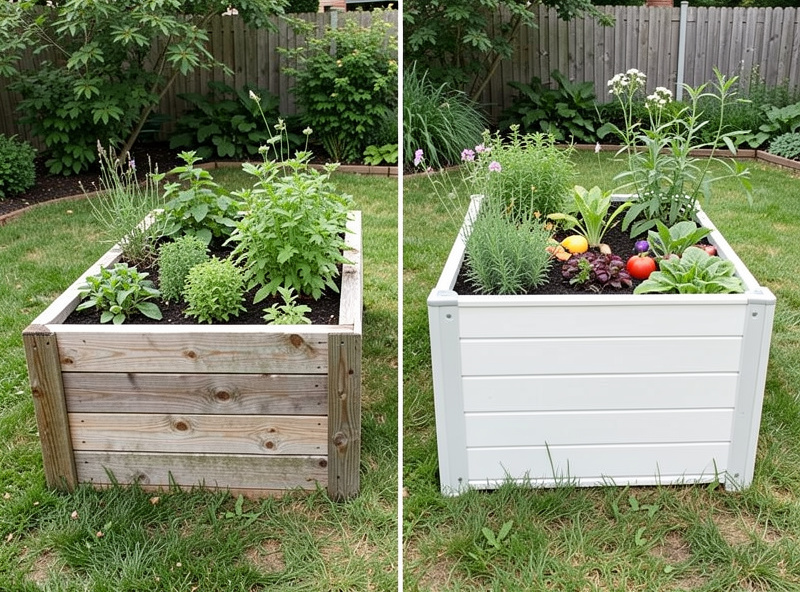
Treated pine: roughly $120 upfront, a replacement around year 10 at another $120, plus two sealing passes at $20 each — about $280 all in. Cedar: roughly $280 upfront, no replacement needed, two sealing passes at $30 each — about $340 all in. Composite (Greenes-grade): roughly $380 upfront, no replacement, no maintenance — $380 all in.
Over 10 years, composite beds cost only slightly more than cedar while eliminating all maintenance. Over 20 years, the math favours composites significantly as wood requires its second replacement. The “expensive” materials are usually the cheap ones once you count replacements.
Value verdict: Recycled plastic beds justify their premium for gardeners planning long-term installations and valuing maintenance-free operation.
What Four Nordic Winters Taught Me About Plastic Beds
I want to be specific about what I have actually observed running HDPE and composite beds alongside cedar on the same balcony through real Swedish winters, because the theory and the practice diverge in ways that matter. The cedar bed I bought the same spring as my first HDPE planter now has silver, checked end-grain at the soil line and a corner joint that has opened enough to leak soil after every thaw. The HDPE has not changed colour, has not warped, and still clicks apart the same way it did on assembly day. That is not a subtle difference — it is the difference between a consumable and a permanent fixture.
Two practical lessons from the plastic side. First, drainage holes in the bottom panel are non-negotiable — the factory holes on some budget beds are undersized, and water pooling against the sealed plastic floor will drown roots faster than any wooden bed ever did, because wood at least wicks moisture through its grain. I drill my own 3/8-inch holes every six inches and line the bottom with a perlite layer before adding soil. Second, thermal expansion is real: on a balcony that swings from -15°C in January to direct sun at 35°C in July, an HDPE panel can expand and contract by a few millimetres across its length. If you bolt the panels down rigidly at every corner, that movement stresses the fastener holes. Leave the corner brackets snug but not cranked down, and let the material breathe with the temperature swing.
Who Should Choose Recycled Plastic?
Ideal candidates:
- Gardeners planning 15+ years at their current location
- Those with limited time for maintenance and repairs
- Urban environments with strict aesthetic requirements
- Individuals seeking food-safe materials without chemical treatments
- Gardeners prioritizing easy assembly over carpentry projects
Poor candidates:
- Temporary or rental situations where you cannot take the bed with you
- Gardeners who strongly prefer natural wood aesthetics
- Those seeking lowest initial cost regardless of lifespan
- Traditional cottage garden enthusiasts
Connecting to Complete Raised Bed Success
Material choice is one piece of the raised bed puzzle. For construction techniques, see my sleeper planter box DIY guide. For budget-friendly approaches, read my urban gardening on a budget guide. And for how plastic beds compare to metal and wood side by side, my sleepers comparison guide breaks that down with real-world experience.
Related Articles
- Raised Beds and Planters: Complete Guide to Elevated Gardening
- Best Sleepers for Raised Beds — Wood vs Concrete
- Birdies Raised Beds Review — Are They the Best?
- Best Flat Pack Raised Garden Beds — Easy Assembly
- Urban Gardening on a Budget
Are recycled plastic raised beds worth the cost?
Recycled plastic raised beds last 20+ years with zero maintenance, making them more economical than wood over their lifespan. The higher upfront cost is offset by the extended lifespan and elimination of replacement cycles.
How long do recycled plastic raised beds last?
20+ years. Recycled plastic does not rot, splinter, or degrade. It resists UV damage, insect damage, and moisture. The material maintains its structural integrity for decades.
Do recycled plastic raised beds get hot in the sun?
Recycled plastic absorbs less heat than metal but more than wood. In hot climates, the soil temperature may rise slightly. Light-coloured plastic beds stay noticeably cooler than dark ones.
Are recycled plastic raised beds safe for growing vegetables?
Yes. Food-safe HDPE and polypropylene are stable polymers that do not leach chemicals under normal garden conditions. They contain no wood preservatives, copper treatments, or solvents. Choose products labelled food-grade or NSF-certified for maximum caution.
Can recycled plastic raised beds handle freezing winters?
Yes. HDPE and composite materials withstand temperatures from -40 to 140 degrees F without cracking. Unlike wood, plastic does not absorb water that expands when frozen. Through four Nordic winters on my balcony, my HDPE bed has shown zero freeze-thaw damage.