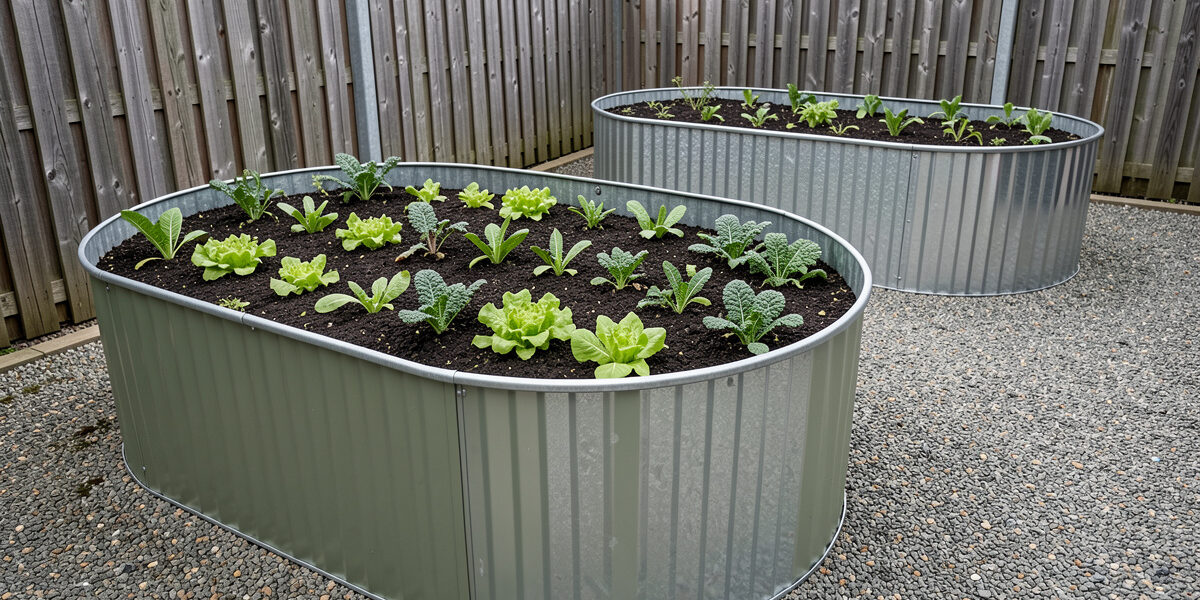
I garden somewhere most raised-bed reviews never account for: a cool, short-season Nordic climate where the soil stays cold until late May and the daylight runs out by mid-afternoon in deep winter. That context changes how I judge a metal bed — and it’s exactly why I keep recommending Birdies when people ask whether galvanized beds are worth the premium. Nearly every review you’ll find is written for hot US zones where the big fear is the soil cooking. Up here the opposite problem rules my season, and that flips the entire calculation.
So this isn’t a spec-sheet regurgitation. It’s an honest, climate-aware take on whether Birdies’ Aluzinc steel beds earn their price — from someone who runs raised beds in a small space and has handled enough corrugated steel panels to know where the marketing stops and the reality starts. For the wider picture of every bed type and material, see my complete raised beds and planters guide.
As an Amazon Associate I earn from qualifying purchases.
Birdies Brand Overview
Birdies Garden Products started in Australia in 2006 and more or less invented the modular metal raised bed as we now know it. They build with Aluzinc steel — a zinc-aluminium coating — and, crucially, they only make raised beds and the accessories that bolt onto them. That focus shows. When a company isn’t also trying to sell you hoses and gloves and seed trays, the one product it does make tends to be thought through.
The brand went international on the back of Australian gardening TV and a lot of very photogenic social posts, and now competes head-to-head with Vego Garden in North America and with wood everywhere. The reputation is real. The question I care about is whether it holds up in a climate Birdies’ marketing never mentions.
Construction and Materials: What the Steel Actually Does
Birdies uses Aluzinc steel — roughly 55% aluminium, 43% zinc, 1.6% silicon, the standard Galvalume alloy composition licensed worldwide (BIEC International, the technology licensor, publishes the spec). In plain terms, that coating shrugs off corrosion far better than ordinary galvanizing, and it’s the single spec that matters most where I live. My beds go through dozens of freeze-thaw cycles every year and sit wet for weeks at a stretch in autumn. That’s the environment that rusts cheap steel beds at the cut edges within a couple of seasons. Aluzinc is rated for 20-plus years even in coastal, high-humidity conditions, and the freeze-thaw punishment of a Swedish winter is a milder test than the salt air it’s built for.
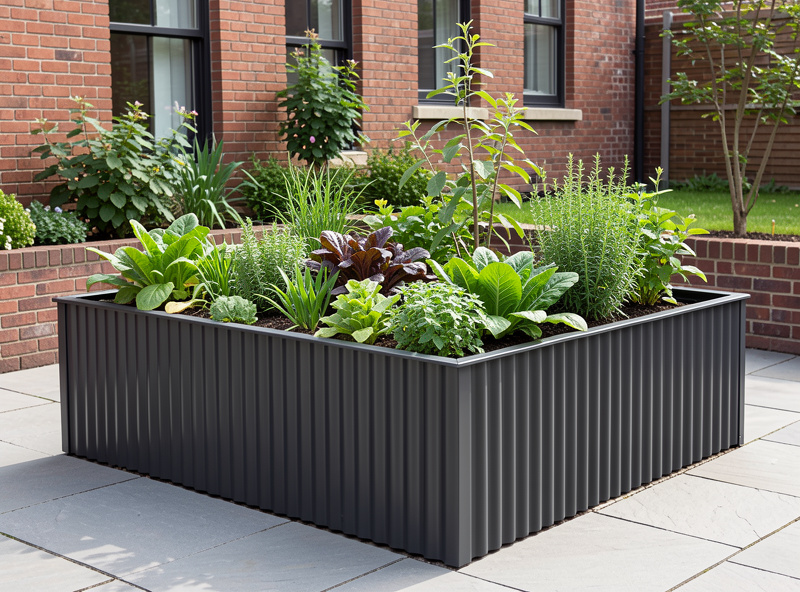
On top of the Aluzinc, the panels get a powder coat for colour and a second layer of protection. That dual system is genuinely durable. The honest caveat: the panels are 29-gauge (about 0.36 mm), which feels thinner in the hand than the price tag suggests. The corrugated profile is what makes them rigid — flatten that corrugation out and you’d have flimsy sheet metal, but folded into those waves it holds a 4×8 bed full of wet soil without bowing. I’ll come back to that thinness in the weaknesses section, because it’s the one place I think the marketing oversells.
The modular panel system is the real selling point for anyone short on space. You bolt standardized panels together with proprietary brackets, which means you can build a narrow 2×4 against a wall, an L-shape into a corner, or stack panels to 30 inches tall so you’re not bending double to weed. For a small or awkward plot — which is most urban gardens — that flexibility beats a fixed wooden box every time.
Birdies modular beds and panel kits are listed here on Amazon if you want to see the current sizes and colours.
Assembly: What “15 Minutes” Really Means
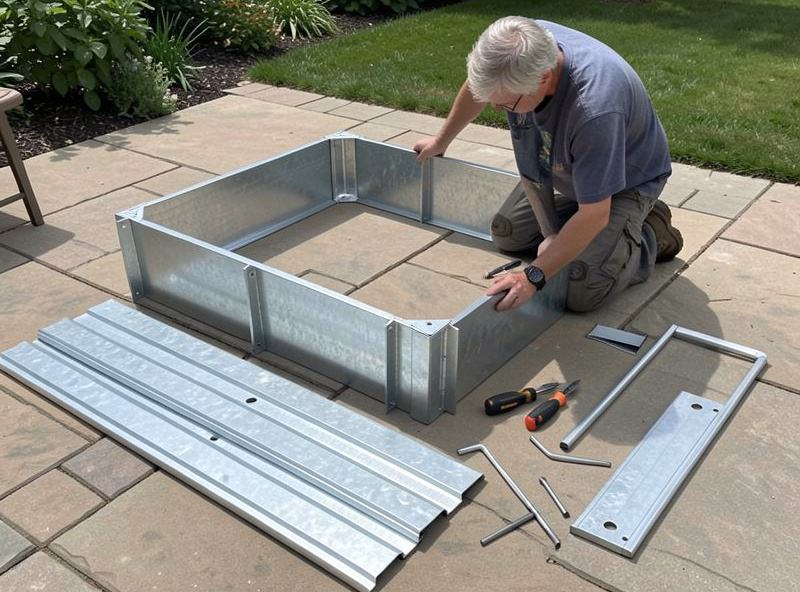
Birdies markets assembly as a quick, near-toolless job. That’s optimistic. You do get all the hardware and a basic tool, and there’s no cutting or drilling, but you’re still tightening twenty-plus bolts by hand, and the honest time depends entirely on the size:
- Small bed (2×4, single height): 15–20 minutes, genuinely a one-person job.
- Medium bed (4×4, single height): 25–35 minutes.
- Large bed (4×8, double height): 45–60 minutes, and you’ll want a second pair of hands.
Two things to expect, because no review warns you and they cost you time. First, bolt holes occasionally misalign — that’s manufacturing variance on thin steel, and you’ll be flexing a panel slightly to line a hole up. Second, getting the corners truly square takes patience; if you rush it you’ll end up with a parallelogram that fights you when you add the lid or trellis later. Lay everything out, hand-thread every bolt loosely before you tighten any of them, then go around and snug them down. Do it that way and it’s a calm half hour. Tighten as you go and you’ll be loosening bolts to fix the squareness.
Wear gloves for this. The folded edges are safer than raw sheet steel but the seam is still a seam, and a cold panel slips. A pair of cut-resistant gloves is worth having for assembly and for reaching into the bed afterward.
Performance in the Garden — and the Cold-Climate Truth
Here’s where my context matters most. Every American review treats soil temperature as a hazard: “beware, metal beds overheat.” In a hot zone, fair enough. But in a short Nordic season, my limiting factor is never heat — it’s getting the soil warm enough, early enough, to plant at all. A metal bed warms in spring sooner than wood or the cold open ground, and in my climate that’s not a bug, it’s the single best reason to choose one. An extra week or two of warm root-zone in May is real growing time I otherwise don’t have.
So the standard advice — “pick a light colour to avoid overheating” — I’d reverse for anyone gardening cool and northern. The darker Birdies colours (Slate, Monument) pull in more spring sun and nudge the soil up faster. If you garden somewhere genuinely hot, then yes, go light (Mist, Merino) and you’ll sit within a couple of degrees of a wood bed thanks to the heat-reflective coating and the air gaps in the corrugation. Match the colour to your climate, not to a generic warning written for Arizona.
On structure: a 4×8 bed full of wet soil weighs around 1,500 lb, and the 29-gauge panels carry it without bowing or pulling at the brackets. That’s the corrugation doing its job. One thing the weight makes obvious — this is a ground-level or terrace product. Do not put a filled metal raised bed on a balcony; the load is nowhere near safe. For balconies, that’s what railing planters and fabric pots are for, not these.
Metal also solves pests that plague wood. Nothing chews through steel walls — no voles gnawing in, no carpenter ants, no slugs hiding in rotting timber crevices. The catch is the open bottom: burrowing pests can still come up from below. Lay galvanized hardware cloth across the base before you fill, or sink the walls a few inches into the soil. Five minutes at setup saves you a season of frustration.
Filling the Bed: Don’t Skimp Here
A metal bed is only as good as what goes in it, and a tall Birdies swallows a surprising volume of mix. Filling a 30-inch bed entirely with bagged potting soil is both ruinously expensive and, honestly, wrong — deep beds want a layered fill with coarser organic material lower down, a principle Iowa State Extension echoes in its raised-bed construction guidance. I’ve laid out exactly what I use and why in my best soil for raised beds mix guide; read that before you order, because getting the fill right matters more to your harvest than which brand of steel surrounds it.
Aesthetics and Colour Options
Birdies’ colour range is genuinely wider than its rivals’: Slate, Sage, Mist, Mulberry, Merino, Monument. The powder coat holds its colour well for years before any gradual fade, and unlike wood there’s no staining or repainting — zero upkeep to keep it looking right. The modern, slightly industrial look suits a contemporary courtyard or a rooftop terrace. If your garden is all cottage planting and weathered timber, a steel bed can look out of place; that’s taste, not a fault.
Birdies vs. the Alternatives
I’ve weighed Birdies against the beds people actually cross-shop. Here’s the honest summary:
| vs. | Birdies wins on | The alternative wins on | My verdict |
|---|---|---|---|
| Vego Garden | More colours, longer track record, thicker gauge (29g vs 32g), Aluzinc coating | Price (10–15% less), faster US shipping, wider accessory range | Birdies for durability and looks; Vego for value if you’re in North America |
| Wood | 20+ yr life, zero maintenance, modular, pest-proof | Half the cost, natural warmth, DIY-friendly, gentler soil biology | Birdies for a permanent, low-effort install; wood on a tight budget |
| Recycled plastic | Strength, modular shapes, recyclable, heat-reflective | Insulates soil, no coating questions, lighter, cheaper | Birdies for structure; plastic if cool-running soil is your priority |
If you’re cross-shopping the other steel and timber options specifically, I’ve reviewed several in depth — the Buzzy raised bed review and the heavy-duty recycled plastic beds are the most useful comparisons, and if you’re tight on ground space, raised planter boxes on legs solve a different problem entirely.
Pricing and Real Value
Birdies sits at the premium end, and you should go in knowing that. Rough pricing for a 4×8, 30-inch bed:
- Birdies: around $280–320
- Vego Garden: around $240–270
- Cedar (DIY): around $180–220
- Treated pine (DIY): around $100–130
The 15–20% premium over Vego buys you the coating, the colour range, and the track record. Whether that’s worth it depends on your time horizon. Spread over ten years — no replacement, no annual sealing — a Birdies bed actually undercuts cedar once you count the maintenance cedar demands. If you’re planning a permanent garden, the maths favours the steel. If you might move in two years, the premium is harder to justify and a wood box you can leave behind makes more sense.
Where Birdies Falls Short
No product is perfect, and I’d rather you hear the weaknesses from me than discover them after paying:
- Thin gauge for the money. 29-gauge is structurally fine but feels thinner than a premium price implies. A heavier 26–27 gauge would add rigidity and a sense of quality. The corrugation rescues the structure, but in the hand the panels don’t feel “premium.”
- The folded edge is still an edge. Safer than raw steel, not soft. Worth noting if you’ve got small children brushing past the walls.
- Shipping hurts outside Australia/NZ. For European and North American buyers, freight adds real money to the total — factor it into the price comparison above, because it can erase the gap to a local brand.
- Dark colours in hot climates. The same dark panels I’d choose for early warmth up north will overheat soil in a genuinely hot summer. Climate-match the colour.
Who Should Buy Birdies — and Who Shouldn’t
Buy Birdies if you: are planting a permanent, 15-plus-year garden; want zero maintenance; need modular shapes for an awkward plot; garden in a cool or coastal climate where the early soil warmth and corrosion resistance are genuine advantages; or simply want the colour options nobody else offers.
Skip Birdies if you: are a budget-conscious beginner; love a traditional cottage look; might move soon; or garden somewhere blazing hot and aren’t willing to choose a light colour and shade the bed in peak summer.
For my own short, cool season, the verdict is straightforward: a metal modular bed is the right tool, and Birdies is the best-made version of it — provided you go in clear-eyed about the thin gauge and the shipping. If you want the cheapest route into raised beds instead, my urban gardening on a budget guide shows how to start growing for under $50, and the DIY sleeper planter box build is the wood alternative I’d point a budget gardener toward. For the tools that make any raised bed more productive, see my urban gardening equipment guide.
Related Articles
- Raised Beds and Planters: Complete Guide to Elevated Gardening
- Heavy Duty Recycled Plastic Raised Beds — Worth It?
- Best Sleepers for Raised Beds — Wood vs Concrete
- Best Flat Pack Raised Garden Beds — Easy Assembly
- Raised Border Edging — Materials and Installation
Are Birdies raised beds worth the money?
For a permanent garden, yes. The Aluzinc steel and powder coat give 15-20+ years with zero maintenance, which offsets the premium over time compared to wood you have to seal and eventually replace. For a short-term garden or a tight budget, a wood bed makes more financial sense.
How long do Birdies raised beds last?
15-20 years and often longer. The Aluzinc zinc-aluminium coating resists corrosion far better than standard galvanizing, even through freeze-thaw cycles and wet autumns, and the corrugated panels hold their shape under a soil load of well over 1,000 pounds.
Do Birdies raised beds overheat the soil?
It depends on your climate and colour choice. In hot regions a dark Birdies bed can warm soil more than wood, so choose a light colour (Mist or Merino) and shade it in peak summer. In a cool, short-season climate the early spring warming is actually an advantage, and a darker colour helps you plant sooner.
Can I put a filled Birdies bed on a balcony?
No. A filled metal raised bed weighs hundreds to over a thousand pounds depending on size, far beyond what a balcony is rated for. Birdies beds are for ground level or a solid terrace. For balconies, use railing planters or fabric pots instead.