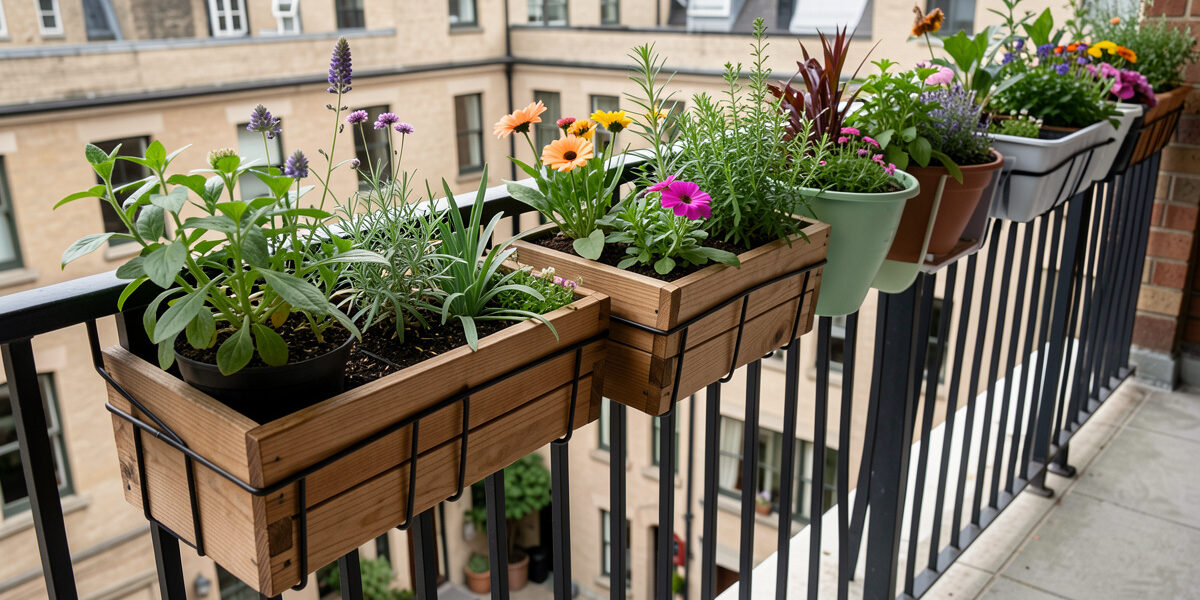
The best railing planters balance secure attachment, adequate soil volume for healthy roots, and drainage that protects the balcony surface below. After three Nordic growing seasons testing railing-mounted containers through 18-hour summer daylight and October wind gusts on my fourth-floor Swedish balcony, I have learned which bracket systems hold, which materials last, and which self-watering features actually work — the self-watering railing planter box I run on my own rail earns its keep by surviving an 18-hour Nordic summer without me babysitting it twice a day. For the wider picture, see my complete raised beds and planters guide.
As an Amazon Associate I earn from qualifying purchases.
Understanding Railing Planter Categories
Railing planters fall into distinct categories, each with specific applications. Understanding which type suits your railing and your growing goals saves money and frustration.
Over-the-Rail Hook Style
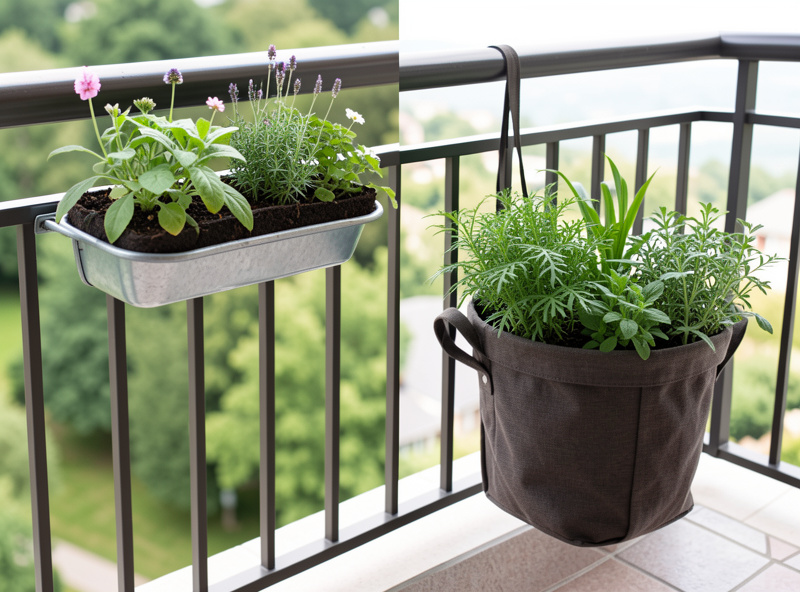
Hooks draping over railing tops provide tool-free installation and easy seasonal removal. Best for renters, temporary installations, or anyone wanting flexibility to reconfigure plantings frequently. Require proper hook depth — minimum 2-3 inches down the rail side — for genuine security against wind lift.
Bracket-Mounted Systems
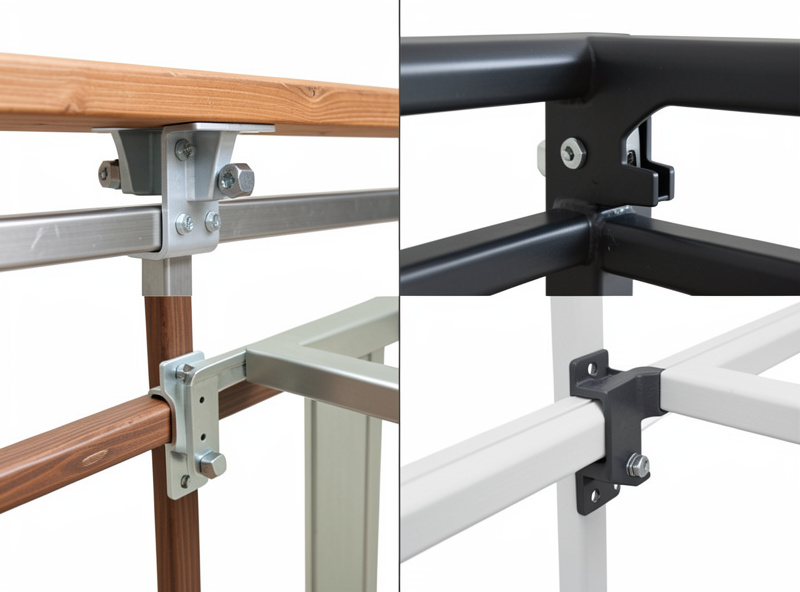
Permanent or semi-permanent brackets attaching to railings with screws or clamps. Offer superior stability for permanent installations but limit flexibility. Ideal for homeowners planning multi-year garden setups on railings they control.
Saddle-Style Planters
Straddling railings like saddles, these distribute weight on both sides of the rail. Excellent stability but they require specific railing dimensions — measure carefully before ordering. Work best on standard-width wood or vinyl railings.
Clamp and Lock Designs
Adjustable mechanisms clamping onto railing sides with locking screws. Balance security with removability — the best of both worlds for most balcony gardeners. Suitable for most railing types with width adjustability.
Critical Selection Criteria
Railing Compatibility
Before evaluating any planter, honestly assess your railing. Measure the top width where planters attach (1-6 inches is typical), the vertical thickness affecting hook reach, the profile shape (flat, rounded, or decorative), the material (wood, vinyl, metal, or composite — each affects friction and grip), and the structural condition. Also check local building codes regarding railing modifications, especially on rental or shared property. Match planter specifications to your measurements with at least 10-15% margin for a secure fit.
Soil Volume and Root Space
Plants require adequate root space for healthy growth — undersized planters stress plants, reducing yields and flowering while increasing maintenance. These minimum guidelines align with Wisconsin Extension’s container vegetable guidance:
| Plant type | Minimum depth | Minimum width |
|---|---|---|
| Herbs, lettuce | 6 inches | 6 inches |
| Compact flowers | 6-8 inches | 8 inches |
| Bush vegetables | 8-10 inches | 12 inches |
| Tomatoes, peppers | 10-12 inches | 14 inches |
Weight and Load Distribution
Wet soil weighs roughly 100 pounds per cubic foot. A 24-inch planter adds 20-30 pounds when saturated; a 36-inch planter adds 35-50 pounds. Self-watering reservoirs add another 8-15 pounds of water ballast when full. Verify your railing system supports these concentrated loads, and distribute multiple planters evenly along the rail rather than clustering them in one position.
Drainage Engineering
Proper drainage prevents root rot — the primary container gardening failure. Essential features include multiple drainage holes (minimum 4 for a 24-inch planter), holes positioned slightly above the base to create a small reservoir, holes at least 1/4 inch in diameter to prevent clogging, and integrated saucers to protect surfaces below.
Self-watering systems add sub-irrigation that wicks water from below, water-level indicators that prevent guesswork, overflow protection that prevents saturation, and 1-3 gallon reservoirs that extend watering intervals from daily to every 5-7 days. On my east-facing railing, the self-watering troughs for basil and parsley are what let me travel for a long weekend without coming home to crispy plants.
Material Durability
Material choice determines lifespan and maintenance. UV-stabilised resin is lightweight, affordable, and available in many colours, but thin walls warp and cheaper versions fade within 2-3 seasons — expect 3-7 years from quality brands. Powder-coated metal offers exceptional durability and modern aesthetics with a 10-20 year lifespan, but it absorbs heat in direct sun. Cedar and redwood provide natural beauty, food-safe growing, and root insulation for 5-10 years with annual oiling — Iowa State Extension specifically recommends cedar and redwood as decay-resistant woods for outdoor garden structures. Composite materials are maintenance-free with a 15-25 year lifespan but carry premium pricing and real weight.
Top Performers by Category
Best Overall: Lechuza Balconera Series
The Lechuza Balconera railing planter delivers exceptional German engineering with premium self-watering systems, outstanding durability, and timeless aesthetics. The proprietary UV-stabilised polypropylene holds its colour for years where cheaper plastics yellow within months. The sub-irrigation system with water-level indicator is the most reliable self-watering implementation I have run. While pricey, the cost-per-year over a decade-plus lifespan makes it economical for a permanent setup.
Best Value: HC Companies Garden Bowl
Quality construction at moderate pricing makes HC Companies the sweet spot for most gardeners. Thick-walled UV-stabilised resin, adjustable brackets, and reliable drainage create dependable performance without the premium price tag. The bracket system grips standard railings securely and the resin holds up through multiple seasons without warping.
Best for Self-Watering: Gardener’s Supply Company
Specialised sub-irrigation systems designed specifically for railing applications distinguish Gardener’s Supply offerings. Water-level indicators, large reservoirs, and reliable wicking outperform generic self-watering claims — the engineering is genuine, not a marketing afterthought.
Best Metal Option: Veradek Metallic Series
The Veradek Metallic Series railing planter‘s contemporary powder-coated steel construction provides decades of service with industrial aesthetics. Double-walled versions offer insulation benefiting root health. Modular systems allow customisation for unusual railing configurations.
Best Natural Material: Windowbox.com Cedar
For organic gardening and traditional aesthetics, cedar railing planters offer food-safe, beautiful alternatives to plastic. Western red cedar’s natural oils resist rot without chemical treatments, and the wood weathers to an attractive silver-grey patina over the seasons.
Budget Considerations
Entry-level options ($15-30) from Akro-Mils and basic HC Companies offer functional performance for 2-4 seasons. Acceptable for testing whether railing gardening works in your space or for temporary situations. Plan replacement within 3-5 years.
The mid-range ($35-75) is the best value zone — quality construction, adequate durability, and good features. HC Companies premium, Mayne Fairfield, and Bloem Deluxe represent this category, with 5-8 year lifespans under proper care.
Premium options ($80-150) from Lechuza, Veradek, and custom cedar builders offer superior materials, innovative features, and exceptional longevity. Justified for serious gardeners planning years of railing cultivation — 10+ year lifespans are typical.
Investment-level ($150+) covers custom-built or specialised large-scale systems. Appropriate for permanent installations where planters become architectural elements expected to last decades.
What I Have Learned From Three Nordic Seasons on the Rail
Running railing planters through real Swedish weather teaches lessons that spec sheets never mention. The first is that bracket tension relaxes over winter. A clip that gripped tightly in May has loosened by the following April because freeze-thaw cycling has worked micro-movements into the bracket joint, and UV exposure has made plastic clips slightly brittle. I re-tighten every bracket each spring before loading — five minutes of maintenance that catches the problem before a planter falls.
The second lesson is that self-watering reservoirs are not optional up here. The Nordic summer delivers 18 hours of daylight, and that relentless sun bakes shallow container soil dry faster than any US gardening guide accounts for. Without a reservoir, I was watering railing troughs twice a day in July. With a 1-gallon reservoir, the interval stretches to every 3-4 days — the difference between a gardening chore and a gardening pleasure. The reservoirs also add water weight that stabilises the planter against wind, which is a bonus I did not anticipate.
The third lesson is about plant choice. The crops that have performed best for me on the rail are the cut-and-come-again types: leaf lettuce, spinach, herbs, and trailing strawberries. They tolerate the temperature swings, they recover from each harvest, and they do not need the deep root space that tomatoes and peppers demand. Anything that needs more than 10 inches of soil or a long hot season goes in a floor container, not on the railing.
Installation Protocol
Test-fit the railing planter mounting brackets on the rail before filling with soil. Adjust for a snug but not crushing fit — overtightening can crack resin brackets or dent metal railings. Verify the planter sits level, then fill partially (about 50%) and test stability. Complete the fill, do a final stability check by pushing down firmly on each end, and install safety straps for high-wind areas or any position above the second floor. Wait 24 hours before heavy watering to let the soil settle and the bracket seat fully into its working position.
Common Mistakes to Avoid
Undersizing is the most common error. Choosing planters too shallow or narrow for the intended plants causes chronic stress, poor performance, and increased maintenance. Always size up — plants grow, and cramped roots mean unhappy plants that bolt, succumb to disease, or simply fail to produce.
Ignoring weight limits creates safety hazards. Calculate wet soil weights honestly and distribute planters accordingly. When uncertain, choose lighter materials or smaller dimensions rather than loading a railing section to its maximum capacity.
Neglecting drainage drowns plants faster than drought ever does. Verify drainage holes exist, are adequately sized, and remain unclogged through the season. Self-watering systems require drainage too — the overflow protection is there for a reason.
And finally: bargain planters often cost more long-term through early replacement. Quality materials from reputable manufacturers offer better cost-per-year value despite higher initial prices. I have replaced enough cheap plastic troughs to know that the $20 planter that lasts two seasons is more expensive per year of service than the $60 planter that lasts ten — the maths only works one way once you count the replacements.
Seasonal Care on the Rail
Railing planters need different attention at different points in the Nordic growing season. In spring (mid-May), inspect brackets for winter loosening, refresh the top 2-3 inches of spent soil with fresh container mix, and clean drainage holes that may have clogged with root debris over winter. Plant cool-season herbs and greens first — they tolerate the temperature swings of late May and give you early harvests while the summer crops are still establishing.
In summer, the priority shifts to water management. Railing planters dry faster than floor containers because wind circulates on all sides and the 18-hour Nordic daylight bakes the soil surface. Check moisture daily during heat waves, and rely on self-watering reservoirs to buffer the gaps. Apply water-soluble fertiliser every two weeks during peak growth — the frequent watering that containers demand leaches nutrients faster than most growers expect.
By mid-August, I transition railing planters to cold-hardy greens: kale, spinach, and mizuna replace the spent summer basil. These crops tolerate the cooling temperatures and shorter days, and they keep producing through October frost. By mid-November, I empty the planters, clean them thoroughly, and store them upside down in a sheltered spot to prevent freeze-thaw damage to the brackets and resin bodies. In warmer zones where winter freezes are rare, railing planters can stay mounted year-round with cold-hardy plants filling them through the dark months.
Connecting to Complete Railing Gardening
Quality planters represent one component of successful railing gardens. For comprehensive growing guidance, explore my balcony herb garden ideas for small-space productivity. Learn which plants thrive in railing conditions with my balcony plants guide. For equipment supporting railing garden success, see my equipment recommendations. And for the complete framework covering container sizing, soil mixing, and seasonal planning, see my balcony gardening complete guide.
Related Articles
- Balcony Gardening: The Complete Guide
- How to Create a Small Balcony Garden
- Growing Vegetables on Your Balcony
- 12 Balcony Herb Garden Ideas
- Best Plants for Apartment Balconies
What are the best planters for railings?
Look for planters with adjustable mounting brackets that grip your railing securely, adequate drainage with multiple holes, UV-resistant materials that won’t fade or crack, and a width that fits your railing without overhanging. Self-watering reservoirs are valuable for summer convenience.
How do you choose the right size railing planter?
Measure your railing width and choose planters that fit securely without overhanging. Standard railings accommodate 6-12 inch wide planters. Match soil depth to your plants: 6 inches for herbs, 8-10 for vegetables, 10-12 for tomatoes and peppers. Check weight capacity before installing multiple planters.
What material is best for railing planters?
UV-stabilised resin and composite materials are lightweight and durable for 5-15 years. Cedar and redwood look natural but require annual maintenance for 5-10 year lifespans. Powder-coated metal lasts 10-20 years but absorbs heat in full sun. Cellular PVC is the longest-lasting option at 20+ years.