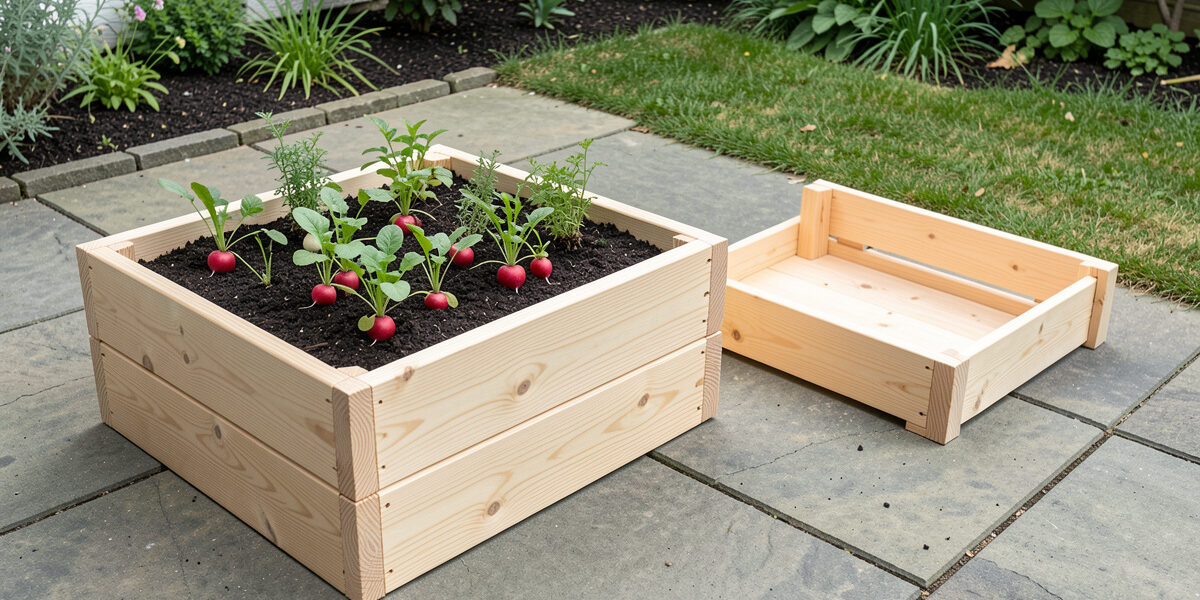
Woven raised beds — the willow and wicker style that brands like Buzzy popularised — offer a lightweight, attractive entry point into raised-bed growing at a fraction of the cost of cedar or steel. But the natural materials that make them look so good in a garden catalogue are the same materials that limit their outdoor lifespan. I have run a woven raised bed on my Swedish balcony for three seasons, and this review covers what actually holds up and what does not. For the wider picture, see my complete raised beds and planters guide.
As an Amazon Associate I earn from qualifying purchases.
What Woven Raised Beds Actually Are
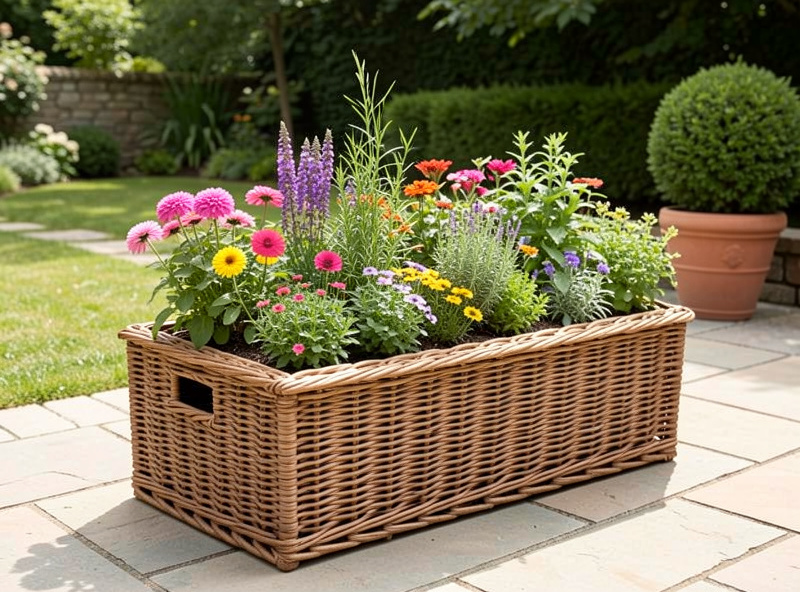
The woven raised beds sold under the Buzzy name and similar brands are typically constructed from woven willow, wicker, or synthetic rattan around a lightweight frame. The weave creates an attractive, natural-looking container that suits cottage gardens, contemporary courtyards, and balcony settings where the planter itself is part of the aesthetic. The trade-off is that natural woven materials degrade outdoors — willow and wicker absorb moisture, soften at the soil line, and eventually fray where the weave meets wet earth. That is the fundamental tension: the product looks best in its first season and declines visibly from there.
Construction Analysis
Frame Materials
Woven raised beds typically use a lightweight internal frame — either powder-coated steel tubing or treated wooden stakes — with the woven willow or wicker wrapped around the exterior. The frame provides structural shape; the weave provides the visual appeal and partial soil containment. The frame gauge varies by manufacturer, but most budget options use standard mild steel rather than the galvanised or Aluzinc-coated alternatives found in premium metal beds. That matters for longevity: a mild-steel frame rusts at the soil line within a few seasons, and once the frame corrodes, the weave sags regardless of its own condition.
The Weave
The defining feature is the woven sidewall. Natural willow and wicker weaves are permeable — air circulates through the weave to the root zone, which promotes air pruning (roots dehydrate and branch rather than circling) and prevents the waterlogging that plagues solid containers. The weave also provides moderate insulation, buffering root-zone temperature swings better than thin metal walls. The catch is UV degradation and moisture absorption: natural fibres soften and fray where they contact wet soil, and UV exposure makes them brittle over 2-4 seasons. Synthetic rattan weaves last longer (4-6 years) but sacrifice the natural aesthetic.
Lining — Non-Negotiable
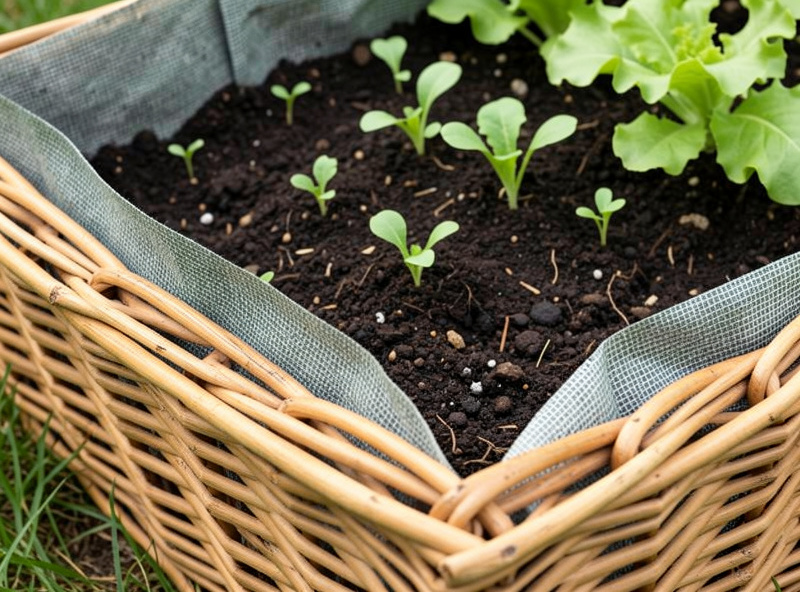
Every woven raised bed needs an internal liner. Without one, soil washes through the gaps in the weave every time you water, gradually emptying the bed and staining the surrounding surface. A sheet of permeable landscape fabric, cut to fit and secured at the top rim, contains the soil while still allowing air circulation and drainage through the weave. The liner also extends the life of the bed by keeping damp soil off the natural fibres — the weave at the soil line is always where failure starts first. I line mine with a double layer of landscape fabric, replaced each spring when I refresh the soil.
Performance in the Garden
What Woven Beds Do Well
The air-pruning effect is real and beneficial. When roots reach the fabric-lined weave, the air gap at the weave surface dehydrates the root tip, causing it to branch rather than circle. The result is a denser, more fibrous root system that takes up nutrients more efficiently — the same principle that makes fabric grow bags effective for container growing. On my balcony, the lettuce and herbs in my woven bed develop noticeably bushier root systems than the same plants in solid plastic containers.
Drainage is excellent — excess water escapes through the weave, preventing the saturation that drowns roots in solid containers. And the natural aesthetic genuinely suits certain garden styles better than any plastic or metal alternative. On a traditional courtyard or a cottage-style balcony, a woven bed looks intentional in a way that a galvanised steel trough does not.
Where Woven Beds Fall Short
Durability is the primary concern. Natural woven materials degrade in outdoor UV exposure — the willow or wicker frays, fades, and eventually tears where the weave meets the soil line. Through three Nordic seasons, my woven bed went from crisp and taut to visibly sagging at the midline by the end of year two. The weave at the corners, where moisture concentrates, started fraying into loose strands by year three. The bed is still functional (the liner holds the soil), but the aesthetic decline is significant.
Pest vulnerability is the second issue. Rodents can chew through woven materials to access roots and tubers — solid-sided beds provide better pest exclusion. And while the weave provides excellent drainage, it also means the bed dries faster than solid alternatives, requiring more frequent watering in hot weather. The Wisconsin Extension container vegetable guidance notes that permeable containers lose moisture faster than solid ones — an effect I notice clearly during the 18-hour Nordic summer daylight that bakes container soil daily.
Longevity: What to Actually Expect
Based on running one through three Nordic seasons, the lifespan curve for a natural woven bed looks like this. Year one: excellent performance, weave taut, aesthetic at its peak. Year two: some fading and minor sagging, still fully functional. Year three: noticeable weave degradation, fraying at corners and soil line, the bed still holds soil but looks tired. By year four, replacement is likely needed — tears, brittleness, and structural compromise at the frame-weave junction.
The comparison to alternatives is stark. A woven bed lasts 3-4 years; a cedar flat-pack bed lasts 10-15; a galvanised steel bed lasts 20+. The woven bed costs less upfront but more per year of service. This is not inherently bad — it depends on your time horizon. For a trial garden, a rental situation, or a seasonal installation, the lower upfront cost and lighter weight of a woven bed are genuine advantages. For a permanent garden, they represent false economy.
Cost-Per-Year Reality
The honest cost comparison, based on what I have paid and observed:
| Bed type | Upfront cost | Expected lifespan | Cost per year |
|---|---|---|---|
| Woven willow (Buzzy-style) | $50-90 | 3-4 years | $15-25 |
| Cedar flat-pack (Greenes) | $150-250 | 10-15 years | $12-20 |
| Galvanised steel (Birdies) | $250-320 | 20+ years | $12-16 |
| Composite (Frame It All) | $200-300 | 15-25 years | $10-18 |
Despite the lower upfront cost, woven beds actually cost more per year of service than cedar or steel alternatives. The premium beds cost 3-4x more upfront but last 5-7x longer. For anyone planning a permanent garden, the maths favour the longer-lived materials.
Who Should Choose a Woven Bed
Woven beds make sense for specific situations: temporary or trial gardens testing whether raised-bed growing works in your space, rental situations where you may need to remove or abandon the bed, seasonal installations replaced every few years, or anyone specifically wanting the air-pruning benefits and natural aesthetic that woven walls provide. They also work well on balconies where weight matters — a woven bed weighs a fraction of a filled cedar or steel bed.
They are a poor choice for permanent landscape installations, high-UV climates, gardens with rodent problems, or anyone wanting trellis support and climbing plant culture (the flexible walls cannot support external loads). And for gardeners who value cost-per-year over upfront savings, the longer-lived materials always win.
Maximising Woven Bed Lifespan
If you choose a woven bed, three practices extend its useful life. First, always line it with landscape fabric — this keeps wet soil off the weave and prevents the soil-line fraying that kills these beds fastest. Second, position it in partial shade if possible — direct UV is the primary degradation force, and a few hours of afternoon shade can add a full season to the weave’s lifespan. Third, store it empty and dry during the off-season. On my balcony, I empty the woven bed by late October, clean it thoroughly, and store it under cover through the Nordic winter. The freeze-thaw cycling that would destroy a damp, soil-filled woven bed in a single winter is completely avoided by storing it dry.
Assembly and Setup
Woven raised beds are among the easiest garden structures to assemble — most require no tools at all. The typical process is unfolding the woven panel, inserting the frame stakes or poles into pre-marked positions, and securing the weave to the frame with the included clips or ties. Assembly takes 10-20 minutes for a standard rectangular bed. The light weight (a typical 4×2 woven bed weighs under 5 kg empty) means one person can position and reposition it without help, which is a genuine advantage on a balcony where you are working alone.
The one assembly step that catches people out is the liner installation. The landscape fabric needs to be cut to match the bed’s interior dimensions with enough overlap at the top to fold over the rim and secure. If the liner is too short, soil escapes through the weave gap at the top edge during watering. If it is too loose, it sags into a bag shape inside the bed that prevents proper drainage. I cut my liner about 10 cm wider than the bed’s interior on each side, fold the excess over the top rim, and secure it with the same clips that hold the weave to the frame.
Seasonal Use in a Nordic Climate
The woven bed on my balcony follows a specific seasonal rhythm that maximises its useful life. I install it in mid-May after the last frost, lined and filled with a lightweight container mix (heavier soil stresses the weave unnecessarily). I plant it with cut-and-come-again lettuce, mizuna, and herbs — the shallow-rooted crops that benefit most from the air-pruning effect and that I harvest weekly through the growing season. By late September, production slows as the light drops, and by mid-October I empty the bed completely.
The off-season storage is where most woven beds die prematurely. Left outside full of damp soil through a Nordic winter, the weave absorbs moisture, freezes, thaws, and frays into uselessness within a single season. Emptied, cleaned, and stored under cover (I lean mine against an interior balcony wall, off the ground), the same bed gives me three full growing seasons before the weave degrades enough to warrant replacement. That storage discipline is the difference between a 1-year and a 3-year lifespan — and it is the detail the product instructions never mention.
The Honest Verdict
For my own permanent setup, I have moved away from woven beds in favour of galvanised steel and cedar — the longevity and structural reliability simply serve a multi-year garden better. But I keep one woven bed on the balcony for its aesthetic and for the cut-and-come-again lettuce and herbs that benefit from the air-pruning effect. It is a seasonal container, not a permanent fixture, and treating it that way — expecting replacement every 3-4 years — is the honest framing that the marketing never provides.
For premium alternatives, my Birdies review and recycled plastic guide cover longer-lived options. Compare all materials in my sleepers comparison guide, or explore flat-pack kits in my flat pack guide.
Related Articles
- Raised Beds and Planters: Complete Guide
- Best Flat Pack Raised Garden Beds
- Recycled Plastic Raised Beds — Worth It?
- Birdies Raised Beds Review
- Wooden Sleeper Planters — Design Ideas
Are Buzzy raised garden beds durable?
Woven willow or wicker raised beds last 2-4 years in outdoor conditions. The natural materials look beautiful initially but degrade faster than cedar or galvanised steel. Lining with landscape fabric and storing dry in winter extends lifespan to the upper end of that range.
What sizes do woven raised beds come in?
Most woven raised beds range from 80×40 cm to 120×90 cm. The smaller sizes suit herbs and leafy greens on balconies while larger models accommodate root vegetables. Check current listings for exact dimensions as sizing varies by manufacturer.
Do woven raised beds need a liner?
Yes. Woven beds should always be lined with landscape fabric to prevent soil washing through gaps in the weave. A liner also extends the life of natural fibre beds by keeping damp soil off the material, preventing the soil-line fraying that kills these beds fastest.
Are woven raised beds good for balcony gardens?
Yes. Woven beds are lightweight and come in compact sizes that fit small footprints. The natural look suits modern decor. On my Nordic balcony, I use a lined woven bed for cut-and-come-again lettuce and chives, and store it dry through winter.
How do woven raised beds compare to wooden planters?
Woven beds cost less upfront but last fewer seasons — about 3 years outdoors versus 10+ for cedar. For short-term or seasonal gardens, the woven bed saves money. For long-term investment, wood or composite wins on total cost per year of service.