
Simple family gardening projects share three traits: they fit on a windowsill or balcony, harvest within 14 days, and survive a curious 6-year-old. The ten projects below cost $5-25 each, take under 30 minutes to set up, and turn a single afternoon into a months-long science experiment kids actually want to check on. I have ranked these by speed-to-first-result so a first-time family can lock in a quick win before tackling the longer projects like strawberries or mini pumpkins.
For the foundational beginner setup that supports every project below, see our gardening for beginners at home guide.
Why Simple Family Gardening Projects Work for Apartments
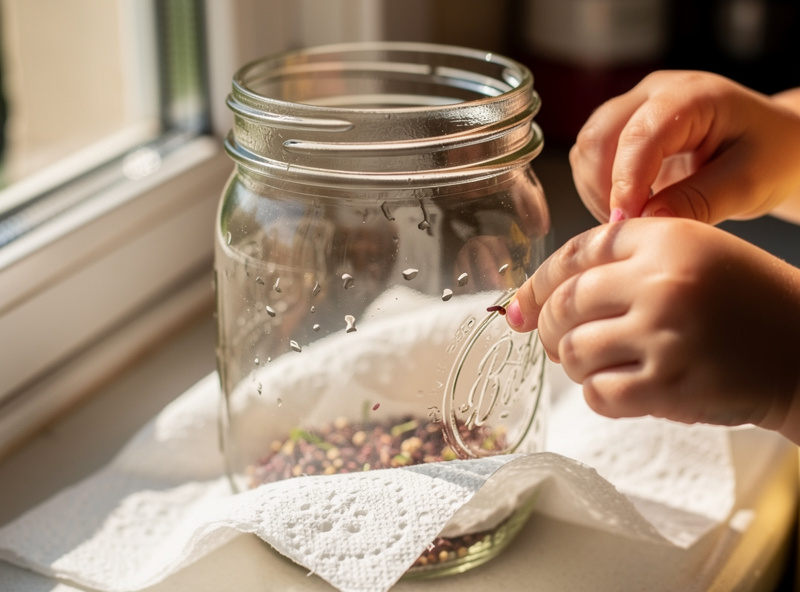
Children lose interest in gardening fast if they cannot see visible change. The most successful family gardening projects exploit fast-germinating crops — sprouts, microgreens, radishes — that show movement within 48 hours and a harvest within two weeks. Slower projects like strawberries or pumpkins still work, but they are best paired with a fast project so kids can experience a quick payoff while waiting on the long one.
Apartments and small balconies actually make family gardening easier, not harder. Plants are at eye level, watering can happen at the kitchen sink, and there is nowhere for a stray ball to land in someone's prize tomato. The constraint forces the family to focus on a few well-chosen crops instead of an overwhelming raised bed.
5 Indoor Family Gardening Projects (Quick Wins)
Start indoors. Indoor projects let you garden on rainy weekends, work year-round, and avoid the "is it warm enough yet?" question that sinks many spring outdoor projects.
1. Mason Jar Sprouts (Harvest in 4-6 Days)
Soak 2 tablespoons of mung bean or alfalfa seeds in a wide-mouth mason jar overnight. Drain, cover with cheesecloth and a rubber band, and rinse twice daily. Sprouts are ready in 4-6 days. Total cost: $4 for jar + $3 for seeds = $7. Kids love this project because rinsing is a job they can own. For the full method, see our sprouting seeds at home guide.
As an Amazon Associate I earn from qualifying purchases.
2. Windowsill Salad Greens (Harvest in 21-30 Days)
Fill a 12-inch windowsill planter with potting mix, scatter loose-leaf lettuce or arugula seeds, and water lightly. First true leaves appear in 7-10 days; full cut-and-come-again harvests start at three weeks. One $3 seed packet provides 4-6 cuttings before you replant. Best window: south-facing, 4+ hours of direct sun.
3. Pizza Herb Garden (Harvest Ongoing)
Three plants, one shallow planter: basil, oregano, and parsley. Buy small starter plants at $4 each from any grocery store; transplant into a 12-inch herb planter with drainage. Kids name each plant after a pizza topping. Harvest leaves weekly to keep plants bushy. Total cost: $25 including planter, mix, and three starts.
4. Carrot Top Regrow Lab (Visible Greens in 5 Days)
Cut the top inch off a fresh grocery-store carrot, place it cut-side-down in a shallow dish of water, and set on a sunny windowsill. Within 5 days new green fronds appear. This is a science experiment, not a food crop — but as a free, zero-risk project for kids ages 4-8, nothing beats it. Refresh the water every 2 days. Repeat with celery butts and lettuce cores for a full kitchen-scrap garden.
5. Microgreen 1020 Tray (Harvest in 10-14 Days)
One 1020 tray, an inch of seed-starting mix, and a sprinkle of broccoli, sunflower, or pea seeds produces 100+ microgreens in two weeks. Kids find this project magical because the entire tray transforms from black soil to a green carpet overnight (literally between days 4 and 5). Cut at the cotyledon stage with kitchen scissors and add to sandwiches. See our growing microgreens guide for full setup details.
5 Outdoor and Balcony Family Gardening Projects
Once the indoor wins are humming, move outdoors. These five projects use balconies, patios, and front-porch railings to scale family gardening into longer, more rewarding commitments.
6. Bean Sprout Race (First Sprout in 3 Days)
Each family member picks a different bean — pinto, kidney, navy, black — and plants 5 seeds in a labeled cup with potting mix. Water equally, keep in the same window. First sprout wins. The race builds anticipation while teaching the simple variable-control idea behind a real experiment. Beans are tough; even rough kid-handling rarely prevents germination.
7. Strawberry Tower (First Berries in 60-90 Days)
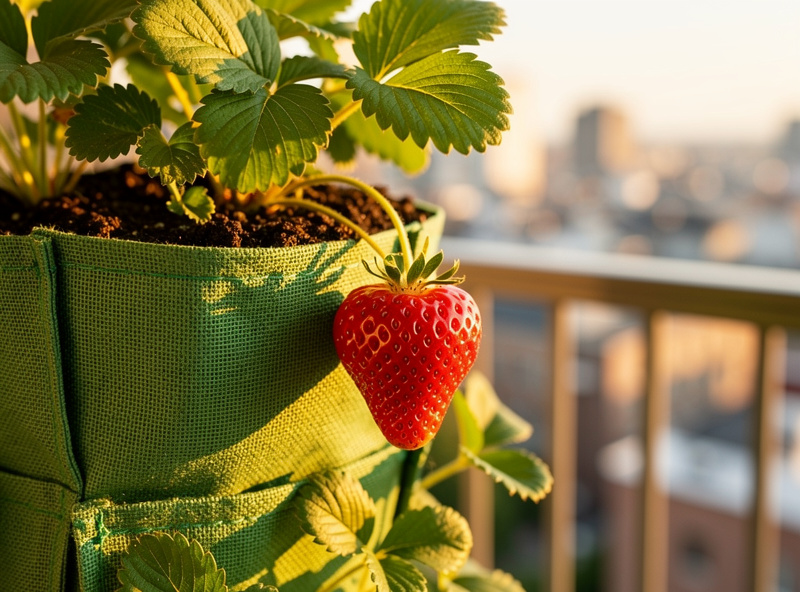
A vertical strawberry tower — fabric stacked pockets, a $30 plastic tower, or a repurposed pallet — fits on any balcony and holds 10-15 plants in 1 square foot of floor space. June-bearing varieties yield a single big crop; everbearers produce small handfuls all summer. Kids love picking ripe berries; pair this with project #1 for instant gratification while berries develop.
8. Sunflower Stadium (Bloom in 70-80 Days)
Plant one sunflower seed in each of four 5-gallon pots — different varieties (Mammoth, Teddy Bear, Autumn Beauty, Lemon Queen) — to create a friendly competition. Tallest sunflower wins by mid-summer. Mark heights on a chart weekly. Mammoth varieties hit 8-12 feet; even a small balcony makes for a dramatic photo backdrop.
9. Mini Pumpkin Patch on the Patio (Harvest in 90-110 Days)
Jack Be Little or Wee-B-Little pumpkin varieties grow in 5-gallon containers and produce 3-5 mini pumpkins per plant — perfect for fall decorations. Plant seeds in late May for an October harvest. Kids who plant a pumpkin seed in spring and carve their own pumpkin in October remember it for years.
10. Pollinator Window Box (Bloom in 30-45 Days)
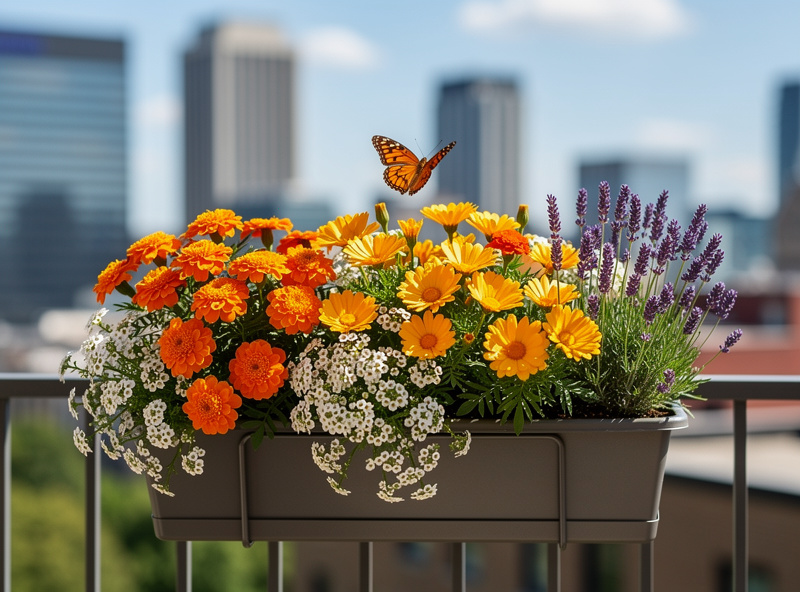
A 24-inch window box planted with marigolds, alyssum, calendula, and lavender brings butterflies and bees right to the apartment window. Buy a $15 seed mix labeled "pollinator" or "butterfly" — most include 6-10 species that bloom at different times for a full summer of action. This project doubles as outdoor science: kids learn pollinator names by sight.
Family Gardening Projects Comparison Table
| Project | Cost | Time to First Result | Best Age | Indoor / Outdoor |
|---|---|---|---|---|
| Mason Jar Sprouts | $7 | 4-6 days | 5+ | Indoor |
| Windowsill Salad Greens | $15 | 21-30 days | 5+ | Indoor |
| Pizza Herb Garden | $25 | Ongoing | 4+ | Indoor |
| Carrot Top Regrow Lab | $0 (kitchen scrap) | 5 days | 4+ | Indoor |
| Microgreen Tray | $15 | 10-14 days | 6+ | Indoor |
| Bean Sprout Race | $5 | 3 days | 5+ | Indoor / Outdoor |
| Strawberry Tower | $40-50 | 60-90 days | 6+ | Outdoor |
| Sunflower Stadium | $15 | 70-80 days | 5+ | Outdoor |
| Mini Pumpkin Patch | $20 | 90-110 days | 6+ | Outdoor |
| Pollinator Window Box | $25 | 30-45 days | 4+ | Outdoor |
How I Keep Family Projects Running Through a Nordic Winter
Where I live, the outdoor growing window is short — roughly May through September — and for the rest of the year the balcony is dark, cold, and useless for food. That is exactly when indoor family projects earn their keep, and it is the part of the year most gardening advice simply ignores. From October to April my kids and I run a rolling rotation of the indoor projects above: a mason jar of sprouts on the counter, a tray of microgreens under the LED grow light bar, and a windowsill of cut-and-come-again lettuce. Each one resets in under two weeks, which means there is always something germinating, something ready to cut, and something a child can check before school without needing me to set it up.
The trick through the dark months is to never let the bench go empty. The day we harvest a tray of microgreens is the day we seed the next one — a fresh tray under the bar, covered for its blackout period, then uncovered to the light. Knowing your USDA Plant Hardiness Zone tells you when the outdoor projects can safely take over, so the indoor rotation hands off to the balcony in May instead of leaving a gap of dead weeks. For the soil, drainage, and depth fundamentals that make that outdoor hand-off actually work, I send parents to the University of Wisconsin Extension’s guide to growing vegetables in containers.
None of this needs to be fancy or expensive. The same LED bar that grows my microgreens all winter is the bar my youngest stands on a chair to inspect each morning, and the routine itself is the real product — the harvest is just the reward that keeps a kid coming back to check.
5 Tips for Family Gardening Project Success
Even the simplest project fails when one or two key habits slip. These five tips turn a half-finished science fair into a family routine kids ask about by name:
- Set one specific check-in time. Right after breakfast or dinner. Plants tolerate missed days better than missed routines — and kids forget faster than plants do. A consistent daily check-in is what separates a 2-week hobby from a 2-year habit.
- Give every kid a named plant. A "family pumpkin" gets less attention than "Maddie's pumpkin." Ownership turns watering into a personal commitment for kids 5 and up.
- Keep a $5 garden notebook. Date, plant, height, and one-line observation per check-in. It is the single biggest difference between gardening and casual plant-watching, and it doubles as a school project for parents whose kids need extra writing practice.
- Pair fast with slow. Always have a 5-day project (sprouts) running alongside a 60-day project (strawberries) so the slower payoff does not lose attention.
- Let small failures happen. If a kid forgets to water and a plant dies, that is the lesson — not a reason to take the project away. The next round will get the routine right.
For the broader vegetable picks that work in any of these projects, see our list of the 15 easiest vegetables to grow in containers.
Frequently Asked Questions
What is the easiest family gardening project for very young children?
The mason jar sprout project is the most reliable for ages 4-6. Sprouts germinate in 24-48 hours, the rinsing routine takes 60 seconds, and there is no soil mess. Total project length to harvest is under one week, perfectly matching young kids attention spans.
Can families garden indoors year-round in a small apartment?
Yes — sprouts, microgreens, herbs, and salad greens all grow indoors year-round on a sunny windowsill or under a $20 LED bar. A single 1020 tray plus a clip-on grow light produces enough fresh greens for a 4-person family for the cost of one grocery store bag of lettuce.
How much does it cost to start a family garden from scratch?
Under $50 covers a complete first-project starter kit: one project (sprouts or microgreens at $7-15), one container (5 dollars), one bag of potting mix ($10), and one $20 LED clip-on light. Add $5-25 per additional project as the family expands.
What grows fastest for impatient kids?
Mung bean sprouts in a mason jar show visible roots in 24 hours and harvestable sprouts in 4 days. Radish microgreens are second-fastest, ready in 7-10 days. Both projects deliver the visible change kids need to stay engaged before slower crops mature.
Are family gardening projects safe for kids with allergies?
Most projects use food crops with no airborne allergens. Avoid tree nut, peanut, or strong-pollen flowers if family members have those specific allergies. Pollinator window boxes attract bees, so families with sting allergies should choose herbs or vegetables instead.
How many family gardening projects can run at once?
Two to three projects is the sweet spot — one fast (sprouts or carrot tops), one medium (windowsill greens or herbs), and one slow (strawberries or sunflowers). Beyond three, daily checks become tedious and one project usually gets neglected.
What is the best month to start outdoor family gardening projects?
Start outdoor projects in late April to early May once your last frost date passes. Indoor projects work any month of the year. Plant strawberries and sunflowers by mid-May; mini pumpkins in late May for an October harvest in most US zones.
The Real Payoff
A kid who plants a radish seed on Sunday and pulls a pink radish out of the soil two weeks later does not need a lecture about where food comes from — they already know, because they grew it. The projects above are the hook; the routine of checking, watering, and harvesting is what turns a one-off activity into a habit that lasts. Years from now the specific radish will be forgotten, but the feeling of pulling something edible out of dirt you tended yourself is the kind of memory that sticks. Start with the fastest one this weekend, and let the slower projects fill in behind it as interest grows.