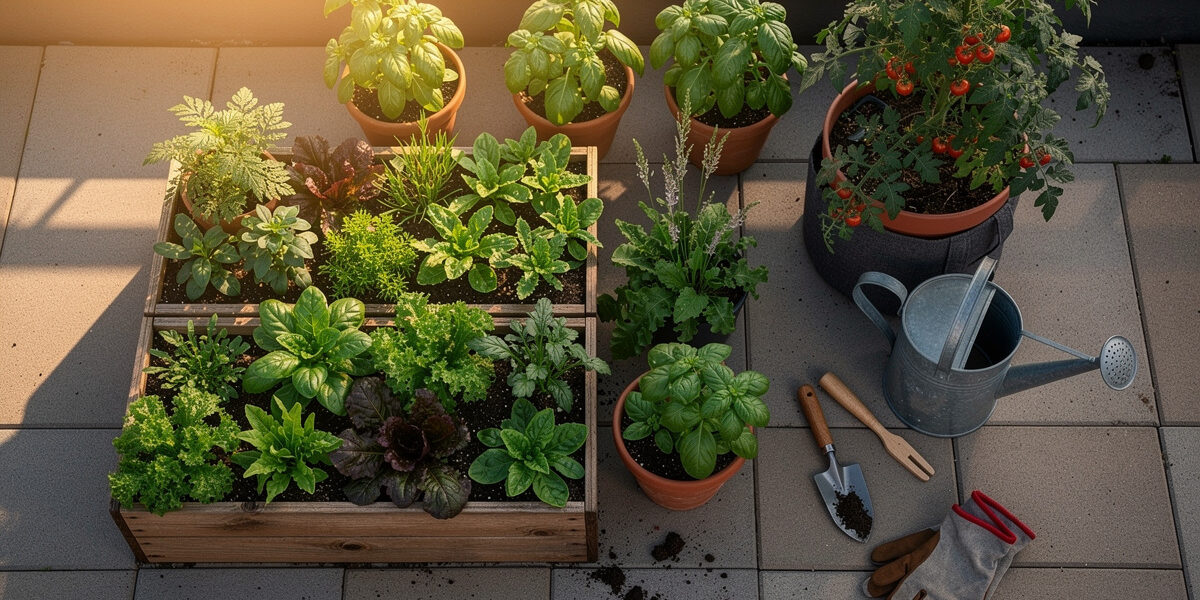
To start a garden, pick one square foot of sun, fill a 5-gallon container with potting mix, plant one transplant, and water until it drains. That single sentence summarizes the entire beginner workflow — the eight steps below add the timing, plant choices, and small-space tweaks that separate a garden that thrives from one that fails by week three. Total cost for a complete first garden under this method: $35-65.
For the broader pillar that connects this how-to to the wider beginner roadmap, see our gardening for beginners at home guide.
Step 1: Pick Your Spot — Sun Beats Size
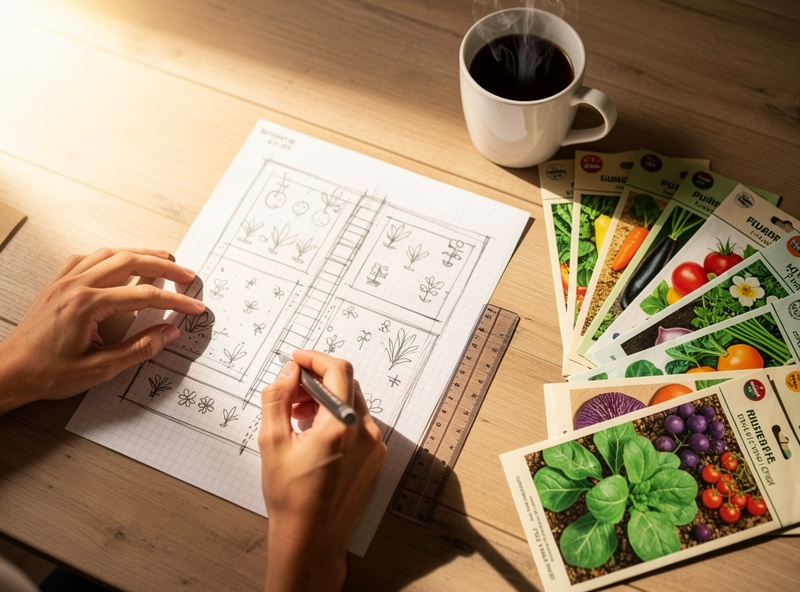
The sunniest 4-square-foot spot you have is a better garden than a shaded 100-square-foot yard. Spend a Saturday observing your space at 9 a.m., noon, 3 p.m., and 6 p.m. — note where direct sun lands at each hour. The spot that gets 6+ hours of direct sun is your vegetable garden. The 3-4 hour spot is for leafy greens and herbs. Less than 3 hours becomes a shade-tolerant fern or hosta corner.
For city dwellers without a yard, the sunniest spot may be an east, south, or west-facing balcony, a rooftop, a fire escape (check your lease first), or a south-facing window. Apartment gardens that work all share one trait: the gardener walked the space with a notebook and tracked the sun before buying anything.
Step 2: Choose the Garden Style That Fits Your Space
Three garden styles cover almost every way to start a garden in a city or suburb. Each has a different cost, time commitment, and setup workflow:
- Container garden — fabric grow bags, terracotta pots, or self-watering planters on a balcony, patio, or driveway. Lowest setup cost ($25-100), most flexible, easiest to disassemble. Best for renters and apartments. See our container gardening complete guide.
- Raised bed garden — wood, metal, or composite frames 12-18 inches deep filled with custom soil mix. Mid-range cost ($150-400 for a 4×8), highest yields per square foot, easiest on the back. Best for homeowners with even a small yard. See our raised beds and planters guide.
- In-ground garden — turn over a patch of existing yard, amend the native soil, plant directly. Lowest material cost (under $50), highest labor at startup, requires soil testing. Best when native soil is reasonably good and the gardener owns the property.
Renters and apartment dwellers should default to containers. The setup is portable, costs the least, and any soil amendment investment moves with you.
Step 3: Pick 3-5 Beginner-Friendly Plants
Three plants is the sweet spot for a first garden — enough variety to stay interesting, few enough to actually maintain. The five most forgiving starter plants are basil, cherry tomato, lettuce, mint, and chives. Pick three from this list for your first season. For the broader picks ranked by container size and harvest speed, see our list of the 15 easiest vegetables to grow in containers.
Avoid these common beginner traps in year one: full-size tomatoes (need staking and constant attention), root vegetables like carrots in containers under 12 inches deep (they fork or stunt), corn (wind-pollinated, needs a block of plants to set ears), and watermelon or pumpkin in containers under 15 gallons (they sprawl and produce poorly).
Step 4: Buy Containers and Soil Together
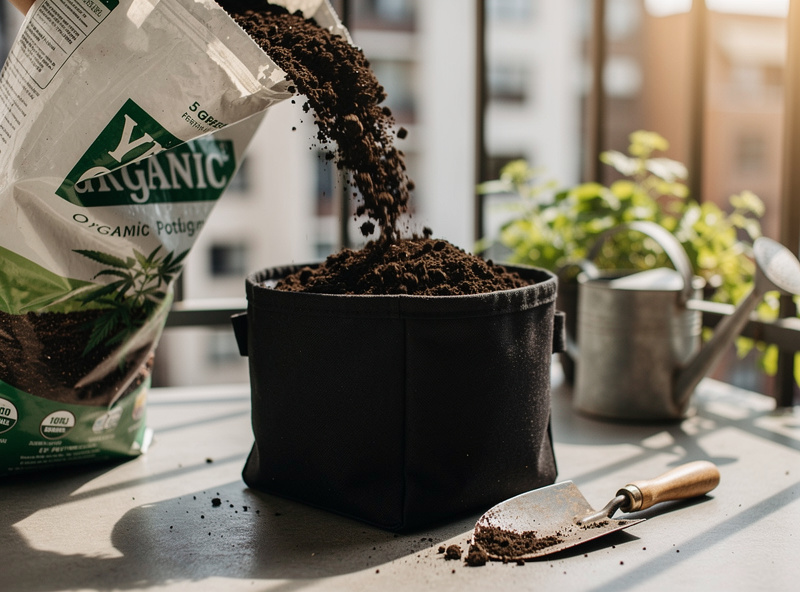
Container size and soil quality are your two biggest year-one variables. Get them right and the rest of the garden runs on autopilot.
Containers: 5-gallon fabric grow bags ($4-6 each) for one tomato, pepper, or squash plant. 3-gallon for compact peppers or determinate tomato varieties. Window boxes (12-24 inches) for herbs and lettuce. Drainage holes are non-negotiable; saucers underneath protect floors and decks.
As an Amazon Associate I earn from qualifying purchases.
Soil: Always potting mix, never garden soil for containers. Reliable brands include Espoma Organic Potting Mix, Pro-Mix HP, and FoxFarm Ocean Forest at $15-20 per cubic foot. One bag fills two 5-gallon containers. For raised beds, the cheapest reliable mix is 60% topsoil, 30% compost, 10% perlite — see our best soil for raised beds guide for the exact recipe.
Step 5: Plant — Transplants Beat Seeds in Year One
Buy small starter plants ($3-5 each) at a local garden center for your first season. Direct-seeded gardens take 4-8 weeks longer to produce than transplant-based gardens, and the failure rate is roughly twice as high for first-time gardeners. Once you have one season of routine under your belt, seeds become more economical and unlock variety choices nurseries never carry — see our seed starting in small spaces guide for that next step.
Planting workflow:
- Pre-moisten the potting mix in the bag — easier than watering after planting.
- Fill containers to within 1 inch of the rim.
- Dig a hole the size of the transplant's root ball.
- Place the plant, fill in around it, gently firm the soil.
- Water immediately until liquid runs out the drainage holes.
- Add a 1-2 inch mulch layer of straw, shredded leaves, or wood chips to retain moisture.
Step 6: Build a Watering Routine That Survives Summer
Watering kills more first-year gardens than any other single factor — both directions. Over-watering rots roots; under-watering during a 90°F week can wilt plants past recovery in a couple of days.
The reliable rule for new gardeners: push your finger one knuckle into the soil. If dry, water until liquid runs out the drainage holes. If damp, wait. Containers in direct sun in July may need watering twice a day; raised beds with mulch typically need watering every 2-3 days. A $12 timer-and-dripper kit removes the guesswork once routines are stable.
Travel plans? Self-watering containers, drip irrigation on a $25 hose timer, or a kind neighbor are all reliable solutions. Plants survive 3-day vacations easily; 7-day trips during peak summer require active intervention.
Step 7: Troubleshoot the First Three Beginner Problems
Three problems account for the majority of first-month failures. All three are fixable in under 10 minutes if caught early:
- Yellow lower leaves on tomatoes. Usually nitrogen deficiency; apply a balanced liquid fertilizer at half strength. If the plant has been in the same potting mix for 6+ weeks, this is normal — feed every 2 weeks during fruiting.
- Wilting in mid-afternoon despite moist soil. The plant is over-heated, not under-watered. Move containers to morning-sun-only locations during heat waves; for in-ground gardens, drape 30% shade cloth over plants between 11 a.m. and 4 p.m.
- Tiny black flying insects in indoor pots. Fungus gnats from over-watered houseplants. Let the soil dry out 1 inch deep between waterings, top-dress with sand, and trap the adults with yellow sticky cards. See our complete fungus gnat elimination guide.
Step 8: Harvest Early and Often
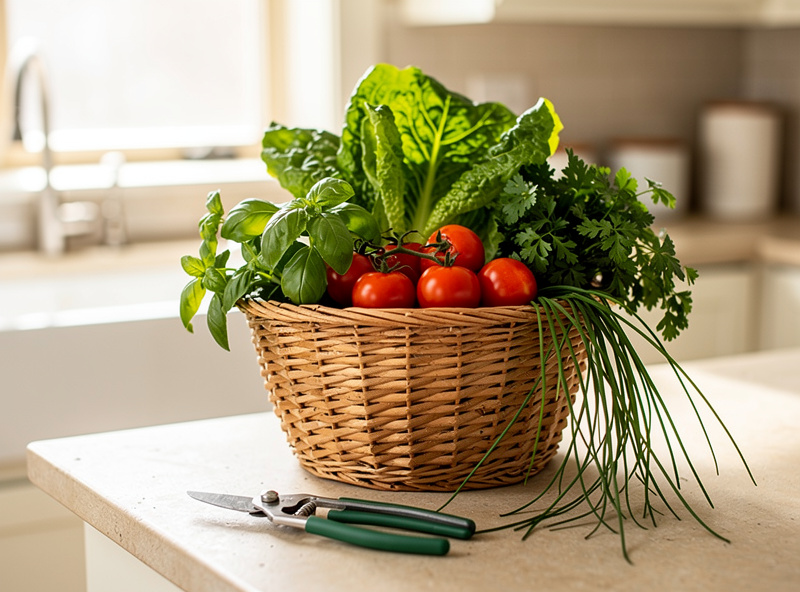
The most counter-intuitive lesson in starting a garden: harvesting more makes the plant produce more. Cut basil leaves weekly to keep the plant bushy; pick lettuce outer leaves while letting the center keep growing; harvest cherry tomatoes the moment they turn fully red. Plants left unharvested switch from production mode to seed-set mode and slow dramatically.
Year-one yield expectations from a typical 4-container starter garden: 2-4 pounds of cherry tomatoes, 6-8 weekly harvests of mixed salad greens, ongoing herb cuttings for 5-6 months, and a meaningful grocery-bill reduction for the season. Year two yields typically climb as your routines tighten and your varieties get matched to your specific microclimate.
Timing Your Start for a Short-Season Climate
If you garden somewhere with a real winter — like I do, in a Swedish climate where the balcony frost can hold until May — the calendar matters as much as the container. The single most useful number for your whole first year is your last spring frost date, because it anchors every outdoor planting decision. Cool-tolerant crops like lettuce, spinach, peas, and radishes go out two to four weeks before that date; heat-lovers like tomatoes, peppers, and basil wait until a week or two after. Find your USDA Plant Hardiness Zone first, then look up the average last frost date for your area — those two numbers tell you roughly when your outdoor season opens and closes.
In a short season I start everything indoors under my LED grow light bar in March and April — tomato and pepper seedlings, lettuce and brassicas for transplanting, and a tray of microgreens to bridge the hungry weeks before anything is ready outside. Hardening off seedlings for a week before they move to the balcony is the step beginners skip and the one that loses the most plants to a cold May wind. When the outdoor window is only four to five months long, a two-week head start indoors is the difference between ripe tomatoes in August and green ones in October. The University of Wisconsin Extension’s guide to growing vegetables in containers is the reference I lean on for the timing and depth fundamentals that make that indoor-to-outdoor handoff hold up.
And when the outdoor season closes in October, the indoor bench keeps going — herbs on the windowsill, microgreens under the light, and the routine that started in March simply moves back inside.
Three Garden Styles Compared
| Style | Setup Cost | Time to First Harvest | Best For | Annual Yield |
|---|---|---|---|---|
| Container (3 pots) | $25-100 | 30-60 days | Renters, balconies, patios | $150-300 |
| Raised bed (4×8) | $150-400 | 45-75 days | Homeowners, small yards | $400-700 |
| In-ground (50 sq ft) | $50-100 | 60-90 days | Suburban yards with good soil | $300-600 |
| Vertical (3-tower) | $80-150 | 30-60 days | Apartment balconies | $200-400 |
| Self-watering planter (3) | $60-150 | 30-60 days | Travelers, busy households | $150-250 |
How to Start a Vegetable Garden (Quick Variant)
If your specific goal is a vegetable garden — not a flower or herb garden — three changes adapt this guide:
- Sun minimum: 6+ hours direct sun is mandatory for fruiting crops (tomatoes, peppers, zucchini, cucumbers). Leafy greens tolerate 3-4 hours.
- Container size: 5-gallon minimum for tomatoes, 3-gallon for peppers, 1-gallon per lettuce or herb.
- Variety choice: Determinate tomato varieties (Patio, Bush Early Girl) for containers; cherry types (Sungold, Sweet 100) outperform full-size beefsteaks in pots.
For a complete vegetable garden plant list ranked by ease, see our 15 easiest vegetables to grow in containers.
Frequently Asked Questions
How do I start a garden with no experience?
Start with three forgiving plants — basil, cherry tomato, and lettuce — in three 5-gallon containers on the sunniest spot you have. Use bagged potting mix, water when the soil feels dry an inch down, and harvest weekly. Total first-garden cost: $35-65.
What is the best month to start a vegetable garden?
Late April through mid-May in most US zones, once your last frost date passes. Cool-season crops like lettuce, spinach, and peas can start 2-4 weeks earlier. Indoor herbs and microgreens can start any month of the year under a $20 LED light.
How much does it cost to start a garden from scratch?
Container gardens start at $25-100 for three 5-gallon pots, potting mix, and three transplants. Raised beds run $150-400 including the frame, soil mix, and plants. In-ground gardens cost the least in materials but require the most setup labor.
Do I need to test my soil before starting a garden?
For container gardens using bagged potting mix, no — the mix is balanced. For in-ground gardens, a $15 home test kit or your local extension service test ($10-25) is worth it before amending. Skip soil testing for raised beds filled with custom mix.
What plants should I avoid for my first garden?
Avoid full-size beefsteak tomatoes (need staking), corn (needs block planting), watermelon and pumpkin (need 15+ gallon containers), and root vegetables in shallow containers. Stick to leafy greens, herbs, cherry tomatoes, and peppers in year one.
How long until I can harvest from a new garden?
Lettuce and salad greens: 21-30 days. Herbs from transplants: 14 days for first cuts. Cherry tomatoes from transplants: 60-75 days. Beets and radishes from seed: 30-50 days. Plant a fast crop alongside slow ones to stay engaged through the wait.
Can I start a garden in an apartment without a balcony?
Yes — a sunny windowsill with a 24-inch LED grow light grows herbs, lettuce, microgreens, and even cherry tomatoes year-round. Total setup cost is $40-80, and a single 1020 tray plus three pots produces meaningful weekly harvests for a 2-person household.
One Last Thing Before You Plant
The first garden I ran was a single basil plant in a 6-inch pot on a windowsill, and it taught me more about light, water, and attention than any guide could have. Do not wait until you have the perfect container, the perfect soil, or the perfect balcony — pick the sunniest spot you have, fill one pot with decent mix, plant one thing you actually eat, and start there. Everything else compounds from that first pot.