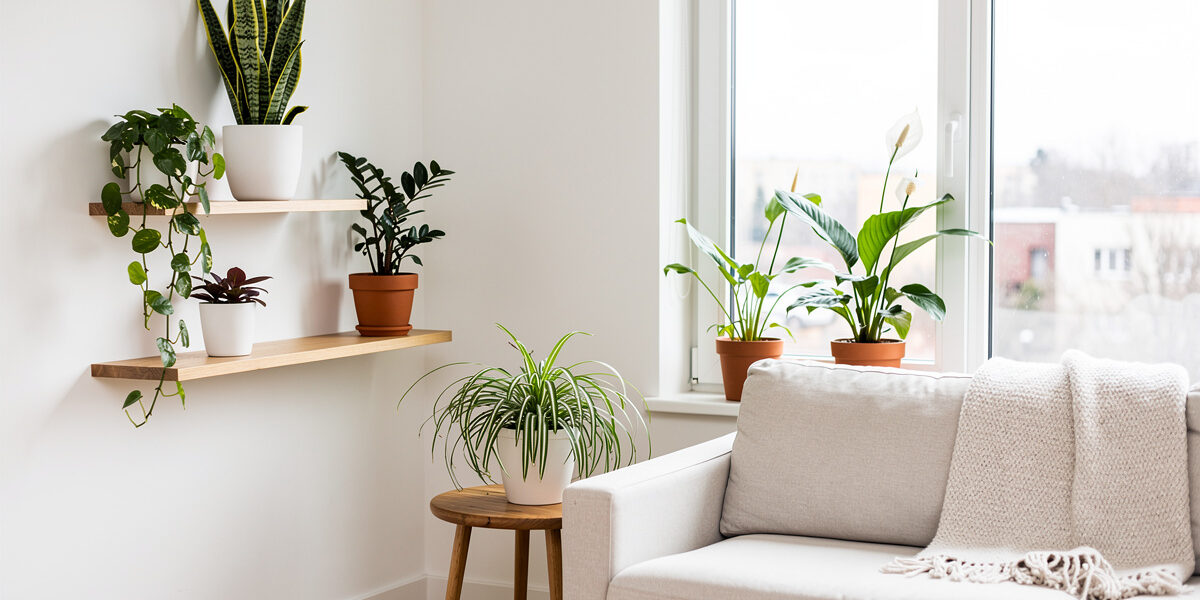
Indoor plants for beginners share three traits: they tolerate inconsistent watering, survive low light, and recover from a missed week of care. The 10 plants below are the ones I keep coming back to in a Swedish apartment where winter daylight is short and the heating dries the air to nothing — ranked from most to least forgiving. Start with picks 1-3 if this is your first houseplant, and graduate to picks 8-10 once you have kept something alive for 90 consecutive days. Total cost for a starter trio: $30-45.
For the gear that supports any of these picks, see the indoor gardening essentials guide.
How These Indoor Plants for Beginners Were Ranked
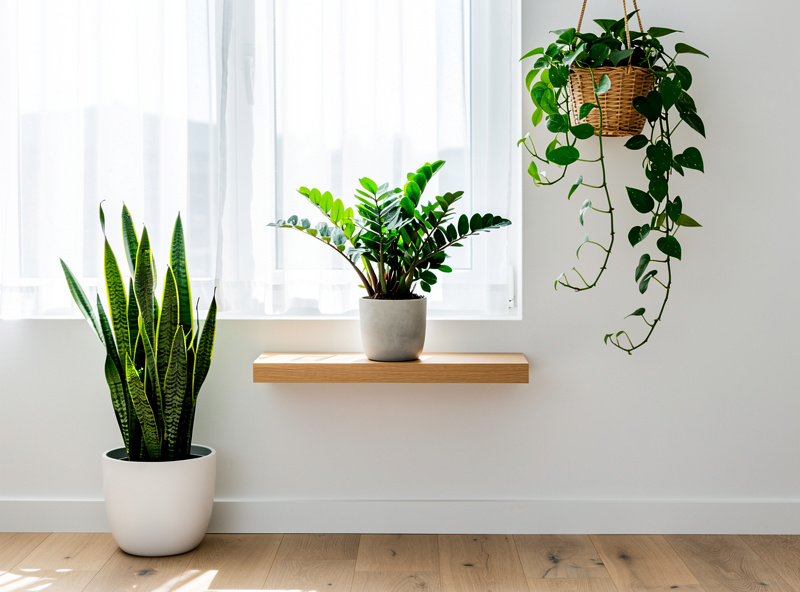
The ranking weighs three factors: water tolerance (can it survive a missed weekly watering?), light flexibility (does it work in low-light apartments?), and pest resistance (does it attract fungus gnats and spider mites?). A plant that scores high on all three is bulletproof for first-time growers. The bottom of the list still belongs to easy plants — they just have one quirk that beginners need to know before purchase.
One honest caveat before the list: “low light” on a plant label was written for apartments in warmer climates. Through a Nordic winter, even a south-facing window delivers weak, short-day light for months, and the heating pushes indoor humidity down to 15-25%. The plants below are the ones that have actually held up through that for me — most other “easy” houseplants I tried sulked, dropped leaves, or crawled with spider mites by February. If your space is genuinely dark in winter, lean on the top three and add a cheap full-spectrum bulb for the rest.
All ten plants range from non-toxic to mildly toxic to pets, and I have flagged any with stronger warnings. If you have cats or dogs, cross-check every plant against the ASPCA’s toxic and non-toxic plant database before you bring it home — it is the reference I trust for the final call (ASPCA Toxic and Non-Toxic Plants). None of these plants need a grow light, fertilizer, or specialty soil to survive their first year.
The 3 Most Forgiving Indoor Plants for Total Beginners
1. Snake Plant (Sansevieria trifasciata)
The snake plant is the single most beginner-friendly indoor plant available. It survives 4-6 weeks without water, tolerates everything from bright direct sun to dim hallway corners, and shrugs off pests that would destroy other houseplants. Watering frequency: every 3-4 weeks. Light: any. Pet warning: mildly toxic if eaten in quantity. Cost: $15-25 for a 6-inch potted plant.
2. Pothos (Epipremnum aureum)
Pothos vines tell you exactly when they need water — leaves droop visibly, then perk back up within 2 hours of a thorough watering. The plant cannot be killed by anything short of total neglect. It thrives in low-light apartments, climbs trellises, hangs from baskets, and roots in plain water for free propagation. Watering: weekly. Light: low to bright indirect. Cost: $10-20.
3. ZZ Plant (Zamioculcas zamiifolia)
The ZZ plant stores water in thick rhizomes underground, surviving up to 8 weeks of drought. It tolerates the lowest light of any indoor plant in this list — actually struggles with too much sun. Glossy waxy leaves resist dust and pests. Watering: every 3-5 weeks. Light: low to medium. Cost: $20-30.
Picks 4-7: Reliable Performers for Most Apartments
4. Spider Plant (Chlorophytum comosum)
Spider plants produce baby plantlets on long stems that can be snipped and rooted — a single $12 plant turns into 20 free plants over a year. They tolerate moderate neglect, prefer bright indirect light, and are completely pet-safe. Watering: weekly. Light: bright indirect. Cost: $10-15.
5. Peace Lily (Spathiphyllum)
Peace lilies signal thirst by drooping dramatically, recovering within hours of watering. They produce elegant white blooms 2-3 times per year and tolerate low light better than most flowering plants. Watering: weekly to twice-weekly. Light: low to medium. Pet warning: toxic to cats and dogs if chewed; keep elevated. Cost: $15-25.
6. Heartleaf Philodendron (Philodendron hederaceum)
A heart-shaped trailing vine that handles missed waterings, low light, and apartment temperature swings. Easier than pothos for many beginners because it tolerates higher humidity and a wider range of soil moisture. Watering: weekly. Light: low to medium. Cost: $12-20.
7. Chinese Evergreen (Aglaonema)
Chinese evergreens come in dozens of leaf-pattern varieties — silver, red, pink, deep green — adding color to dim apartments where most plants would fail. They are the highest-aesthetic-payoff plant in this list. Watering: every 7-10 days. Light: low to bright indirect. Cost: $20-35.
Picks 8-10: Slightly Trickier But Worth Learning
8. Rubber Tree (Ficus elastica)
The rubber tree adds dramatic vertical height (5-8 feet over 3-4 years) and glossy burgundy or variegated leaves. It needs more consistent watering than picks 1-7 and prefers bright indirect light. Avoid sudden moves between rooms — rubber trees drop leaves when relocated. Watering: weekly. Light: bright indirect. Cost: $25-50.
9. Monstera Deliciosa
The iconic split-leaf monstera is easier than its reputation suggests, but it does need a moss pole or trellis once it reaches 3 feet tall. Drainage is critical — root rot is the only common killer. Watering: weekly when top inch of soil is dry. Light: bright indirect. Cost: $20-50.
10. Fiddle Leaf Fig (Ficus lyrata)
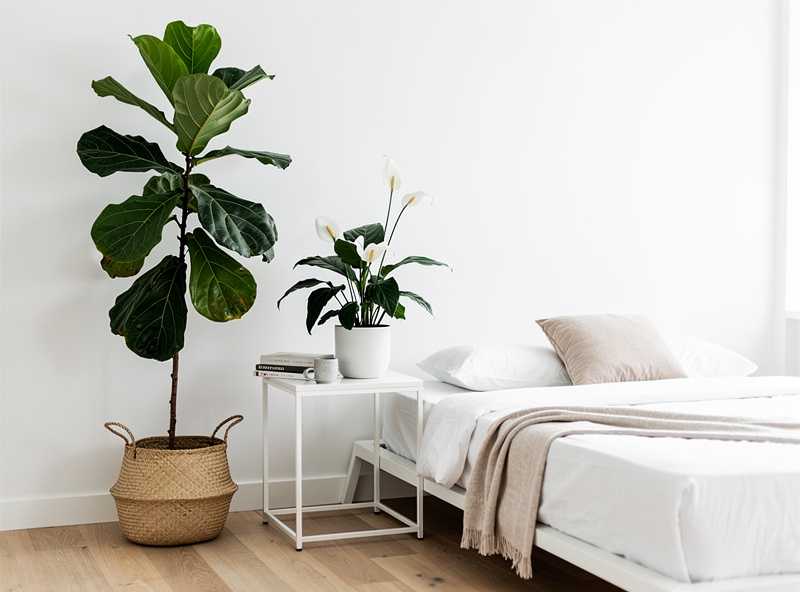
The fiddle leaf fig has a reputation as the diva of indoor plants, but the rules are actually simple: bright indirect light, weekly watering, no relocations. Get those three right and the plant grows 1-2 feet per year into a 6-foot showpiece. Watering: weekly. Light: bright indirect. Cost: $30-80.
Indoor Plants for Beginners Comparison Table
| Plant | Water Frequency | Light Needs | Pet Safe? | Cost |
|---|---|---|---|---|
| Snake Plant | Every 3-4 weeks | Any | Mildly toxic | $15-25 |
| Pothos | Weekly | Low to bright indirect | Mildly toxic | $10-20 |
| ZZ Plant | Every 3-5 weeks | Low to medium | Mildly toxic | $20-30 |
| Spider Plant | Weekly | Bright indirect | Yes | $10-15 |
| Peace Lily | Weekly to 2x weekly | Low to medium | Toxic if chewed | $15-25 |
| Heartleaf Philodendron | Weekly | Low to medium | Mildly toxic | $12-20 |
| Chinese Evergreen | Every 7-10 days | Low to bright indirect | Mildly toxic | $20-35 |
| Rubber Tree | Weekly | Bright indirect | Mildly toxic | $25-50 |
| Monstera | Weekly | Bright indirect | Mildly toxic | $20-50 |
| Fiddle Leaf Fig | Weekly | Bright indirect | Mildly toxic | $30-80 |
5 Setup Tips That Apply to All 10 Plants
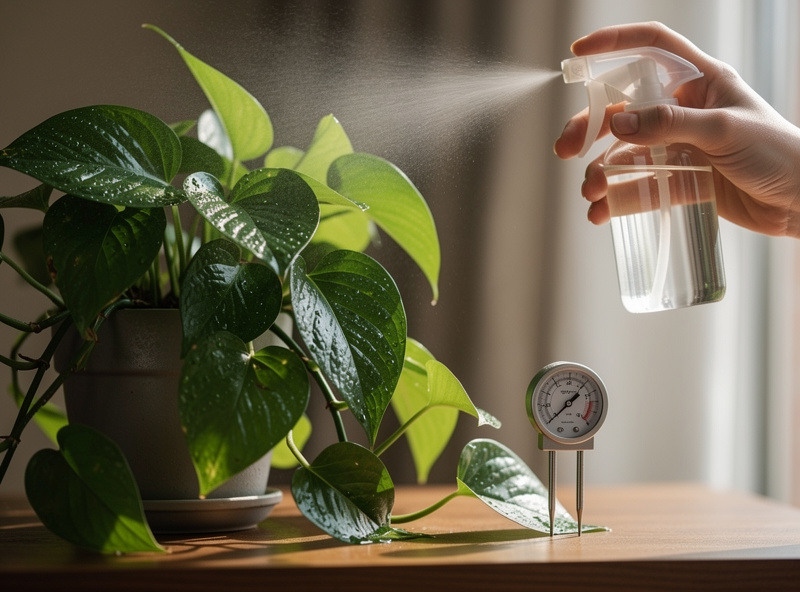
The plant choice matters less than the routine. In my experience the difference between a beginner who keeps plants alive and one who kills three in a row is never the species — it is whether they nailed the five habits below. These setup habits keep any of the picks above alive through their first year:
- Always use bagged indoor potting mix. Garden soil compacts in pots and brings disease. See my best potting soil for indoor plants guide.
- Drainage is non-negotiable. If your decorative pot has no holes, plant in a plain plastic nursery pot inside it; remove the inner pot for watering and let it drain fully before returning.
- Check soil with your finger before every watering. Dry an inch down = water. Damp = wait. Over-watering kills more indoor plants than any other cause.
- Group plants by water needs, not by aesthetics. A snake plant and a pothos look great side by side but want completely different watering schedules — group them by drought-tolerance instead.
- Watch for fungus gnats in the first month. Tiny black flies near houseplants signal over-watering. See my complete fungus gnat elimination guide.
- Match the plant to the actual light, not the label. “Low light” still means a window — it does not mean a dark corner. University of Maryland Extension’s indoor-plant lighting guide is the clearest breakdown of how to read the light in a room before you choose a spot (Lighting for Indoor Plants). When in doubt, hold your hand a foot above the plant at noon on a cloudy day — a sharp shadow means enough light; a fuzzy or absent shadow means move it closer to the window or add a bulb.
These ten plants cover every light level and attention span in my apartment. I keep a snake plant in the dim hallway, a pothos trailing over the kitchen cabinets, and a peace lily that tells me exactly when to water — it droops dramatically, then bounces back within an hour of getting watered. Through the worst of the winter I move the thirstier picks away from the radiator and cluster them together to hold a pocket of humidity; come spring most of them push fresh growth without any fuss. For indoor growing supplies, I find that a moisture meter and a simple LED grow bulb are the only extras worth buying — everything else you can improvise from the kitchen. See my indoor gardening essentials guide for the 12-item setup I actually use day to day. Browse moisture meters on Amazon. As an Amazon Associate I earn from qualifying purchases.
Reading the Plant: Trouble Signs in the First Month
The first month is when most beginners lose a plant, and the plant almost always tells you what is wrong before it dies. Here is how I read the common signals on my own shelf:
- Yellowing lower leaves, soft stems: over-watering, the number-one killer. Let the soil dry an inch deeper between waterings and confirm the pot actually drains.
- Crispy brown leaf edges, dry tips: the air is too dry, common in heated Nordic apartments. Group plants together, add a pebble tray, or run a small humidifier nearby.
- Leggy, stretched growth with wide gaps between leaves: not enough light. Move the plant closer to the window or add a grow bulb — the plant is reaching for light it is not getting.
- Drooping that does not recover after watering: root rot from chronically wet soil. Pull the plant, trim any black mushy roots, and repot into fresh dry mix in a pot with real drainage.
- Sticky leaves or fine webbing under leaves: pests — spider mites, scale, or mealybugs. Isolate the plant and treat before the problem spreads to its neighbors.
Catch any of these in the first week and the plant bounces back. Ignore them for a month and most of these forgiving picks still die — “beginner-friendly” means tolerant of imperfect care, not immune to it.
Frequently Asked Questions
Which indoor plant is the absolute easiest for beginners?
The snake plant. It survives 4-6 weeks without water, tolerates any light from direct sun to dim corners, and resists pests. A 6-inch potted snake plant costs $15-25 and is the most reliable first houseplant for first-time growers of any age.
What indoor plants survive in low-light apartments?
Snake plant, ZZ plant, pothos, peace lily, heartleaf philodendron, and Chinese evergreen all thrive in low light. Avoid succulents, fiddle leaf figs, monsteras, and rubber trees in spaces with under 4 hours of indirect light per day.
How often should I water indoor plants for beginners?
Most beginner-friendly plants want weekly watering, but the snake plant and ZZ plant only need water every 3-5 weeks. Always check the soil with your finger first — if dry an inch down, water; if damp, wait. Schedules are guidelines; soil moisture is the actual rule.
Are indoor plants safe for cats and dogs?
The spider plant is the only fully pet-safe pick on this list. Most others are mildly toxic if chewed in quantity; peace lilies are more strongly toxic to cats. Keep questionable plants on shelves out of reach, and the spider plant on the floor for cat-friendly homes.
Do indoor plants need fertilizer?
Not in their first 6 months — bagged indoor potting mix has enough nutrients. After 6 months, apply a balanced liquid fertilizer at half strength every 4-6 weeks during spring and summer. Skip fertilizer during winter dormancy for all plants on this list.
Why do my indoor plant leaves turn yellow?
Yellow leaves usually mean over-watering — the most common beginner mistake. Let the soil dry out an inch deep between waterings, ensure pots have drainage holes, and remove the affected leaves. The plant typically recovers in 2-3 weeks once watering is corrected.
How many indoor plants should a beginner start with?
Three plants is ideal — enough variety to learn different care patterns, few enough to actually maintain. Start with one easy pick (snake plant or pothos), one medium pick (spider plant or peace lily), and one statement plant (rubber tree or monstera) once your routine is solid.