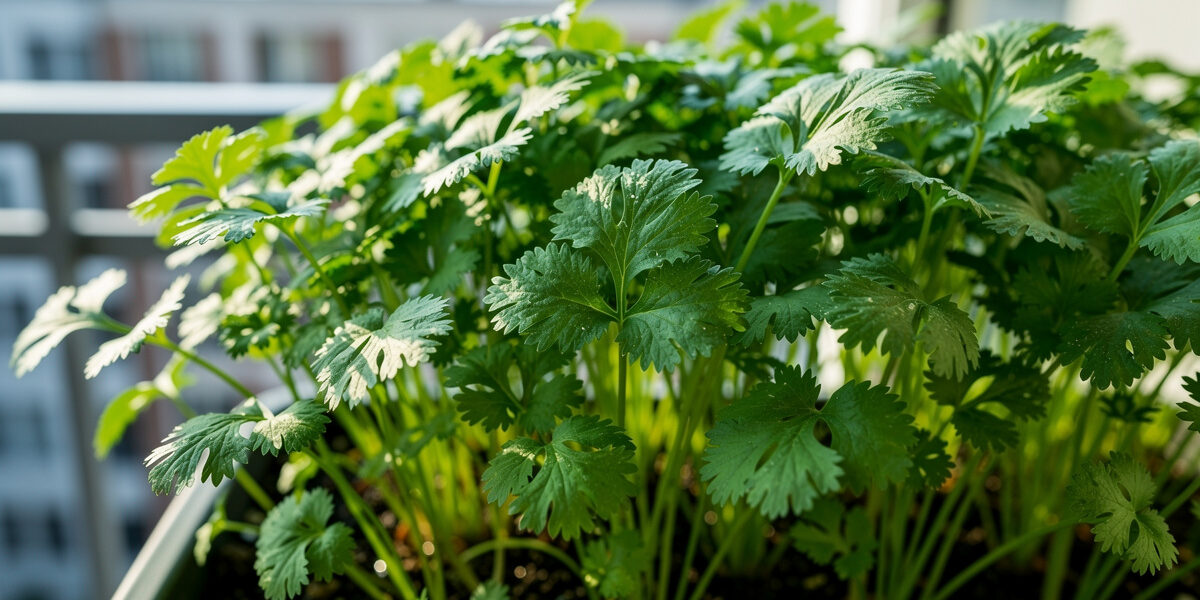
Cilantro is the herb that bolts the moment you turn your back. It races to flower in heat and long days, so the secret to a steady supply is not one perfect plant but a fresh sowing every couple of weeks. Grow it cool, harvest it young, and keep the next batch coming.
It is also two crops in one plant: the soft leaves people call cilantro or coriander leaf, and the dried seed sold as coriander. Knowing which one you are after changes how you grow it, because the same bolting that ruins your leaf supply is exactly what you want if you are growing for seed. Here is how I keep both going from a windowsill and balcony up north.
Why Cilantro Bolts and How to Slow It Down
Cilantro bolts because it is a cool-season annual that flowers fast under heat and long daylight. Once it bolts, leaf production stops and the flavour turns harsh. You cannot stop it permanently, but you can delay it by growing in cooler conditions, giving a little afternoon shade in summer, and sowing slow-bolt varieties.
This is where a Nordic climate actually helps for once. Our cooler springs and autumns are prime cilantro weather, and the plant sulks far less than it would in a hot continental summer. Indoors I keep it off the hottest windowsill and out of the warmest part of the room, because warmth is the main bolting trigger. The honest truth is that no trick gives you a single everlasting plant; succession sowing is the real answer, and I will come back to it because it is the whole game with this herb.
Sowing Cilantro the Right Way
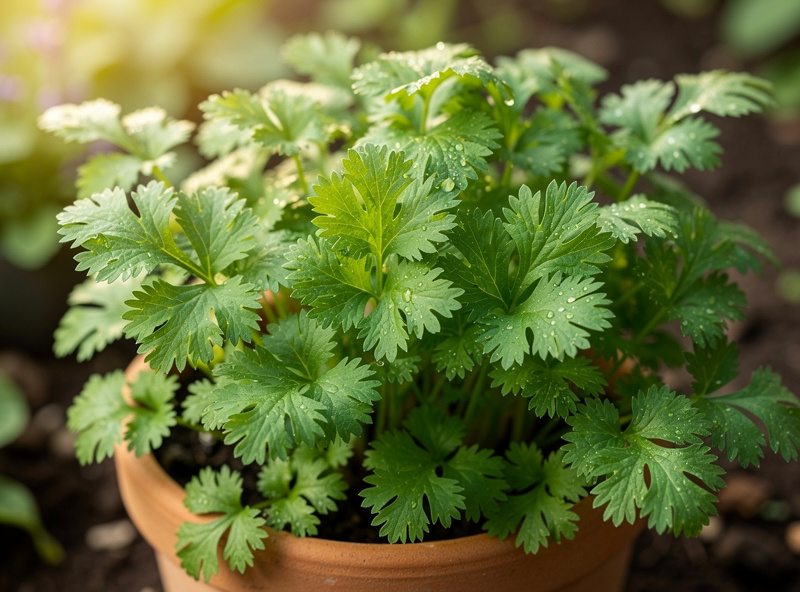
Sow cilantro directly into its final pot, because it has a taproot and resents being transplanted, which itself can trigger bolting. Sow seeds about 1 cm deep, keep the soil moist, and expect germination in 7-14 days. Gently cracking the round seed husks first can speed things up.
I sow a small patch into a deeper container rather than a shallow tray, give it room, and resist the urge to prick seedlings out and move them. The taproot is the reason; disturb it and the plant panics and flowers. A pot at least 20 cm deep suits it far better than a shallow herb trough. I also use a free-draining container mix rather than dense bagged soil, the same approach I take for most herbs and cover in the best soil for herbs guide. Sow, water, and then start planning the next sowing before this one is even up.
Light, Water, and Temperature
Cilantro wants bright light but cool roots: four to six hours of sun or a spot under a grow light, steady moisture, and temperatures on the cooler side. Heat is the enemy, so the warm sunny windowsill that suits basil is wrong for cilantro. Aim for bright but not baking.
I keep the soil evenly moist because dry stress is another bolting trigger, but I never let the pot sit waterlogged. Under lights I give cilantro a position toward the edge of the bar rather than the hot centre, and indoors over winter it appreciates a cool, bright room. The plant grows fast and soft, so consistent watering matters more than feeding; a light feed occasionally is plenty. If anything, cilantro is forgiving on nutrients and fussy on temperature, which is the opposite of what most beginners expect.
The Succession Sowing Routine
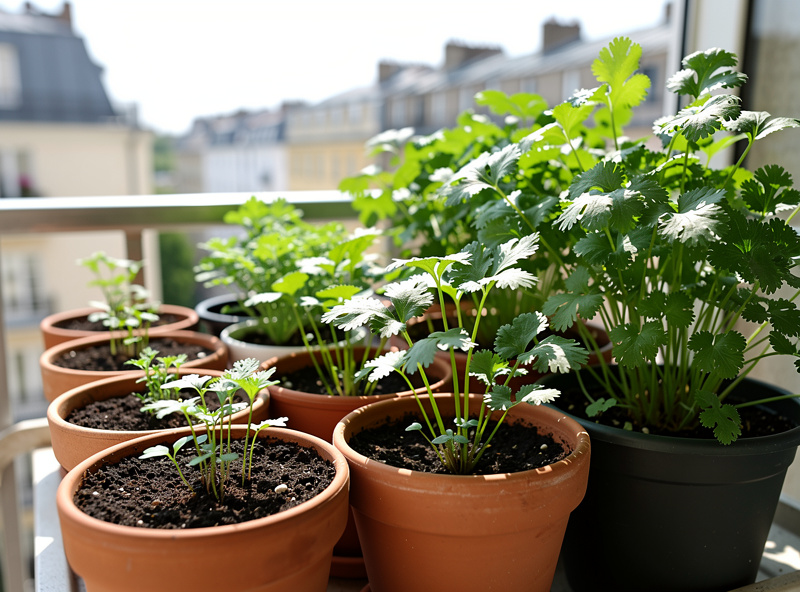
Succession sowing is the single technique that turns cilantro from a frustration into a reliable crop. Sow a new small batch every two to three weeks, so as one planting bolts, the next is ready to harvest. A continuous supply comes from staggered sowings, never from one heroic plant.
In practice I keep two or three pots at different ages going at once. The moment one starts sending up a flower stalk, I know the next pot is already coming on, and the bolting plant either gets pulled or left to set coriander seed. This rhythm is the same one I use for cut-and-come-again greens and it is the most important habit to build with this herb. Once succession sowing becomes automatic, the bolting problem stops being a problem at all; it is just the cue to clear a pot and sow again.
Harvesting Leaf and Coriander Seed
Harvest cilantro leaves by snipping the outer stems once plants are 10-15 cm tall, taking up to a third at a time so the centre keeps producing. If a plant bolts, let it flower and set seed, then collect the dry coriander seeds for cooking or for re-sowing.
For leaf, I cut whole outer stems near the base rather than shearing the tops, which keeps the plant growing from the middle. The principles — cut height, timing, and when to switch from snips to a knife — are the same across all herbs; the harvesting herbs guide walks through each one. When a plant inevitably bolts, I stop fighting it and switch goals: the flowers attract beneficial insects, and the seeds that follow are coriander spice and free seed for the next round. That dual harvest is one of cilantro’s quiet advantages over fussier herbs, and it means a bolted plant is never wasted.
Common Cilantro Problems
Most cilantro complaints come down to three things: premature bolting, leggy weak seedlings, and the genuine fact that some people taste cilantro as soapy. The first two are growing fixes; the third is genetics and not something a growing technique can change.
Leggy, pale seedlings mean too little light, so move them brighter or under a grow light and they firm up. Yellowing lower leaves usually signal waterlogged soil rather than hunger, so check drainage before reaching for feed. The soapy-taste issue affects a real minority of people because of how they perceive certain aldehyde compounds in the leaf; if that is you, growing your own will not fix it, though some find the flavour milder in very young leaves or mellowed by chopping. For everyone else, the main thing standing between you and a steady supply is simply remembering to sow the next pot on time. Cilantro rewards rhythm more than skill.
Gear for a Steady Cilantro Supply
Cilantro needs little equipment, but depth and steady moisture help. As an Amazon Associate I earn from qualifying purchases; the links below are gear I actually use, at no extra cost to you.
- A pack of slow-bolt cilantro seeds buys you extra weeks of leaf before flowering kicks in.
- A set of deep planter pots gives the taproot room and reduces the transplant stress that triggers bolting.
- A simple pair of harvesting snips makes clean cuts that keep plants producing from the centre.
Frequently Asked Questions
Why does my cilantro flower so quickly?
Cilantro bolts to flower under heat and long daylight because it is a cool-season annual. You cannot stop it permanently, only delay it with cooler conditions, light shade in summer, slow-bolt varieties, and steady moisture. Succession sowing is the real solution.
Can you grow cilantro indoors year-round?
Yes. Cilantro suits a cool, bright indoor spot or a position under a grow light, away from the hottest part of the room. Sow a fresh small batch every two to three weeks so you always have young leafy plants before older ones bolt.
Should I transplant cilantro seedlings?
Avoid it. Cilantro has a taproot and resents disturbance, and transplanting often triggers bolting. Sow seed directly into a deep final pot at least 20 cm deep, then thin rather than move seedlings, so the root system stays intact.
Is cilantro the same as coriander?
They are the same plant. The fresh leaves are called cilantro or coriander leaf, while the dried seeds are sold as coriander spice. A plant that bolts and sets seed gives you coriander, so a bolted plant is never wasted.