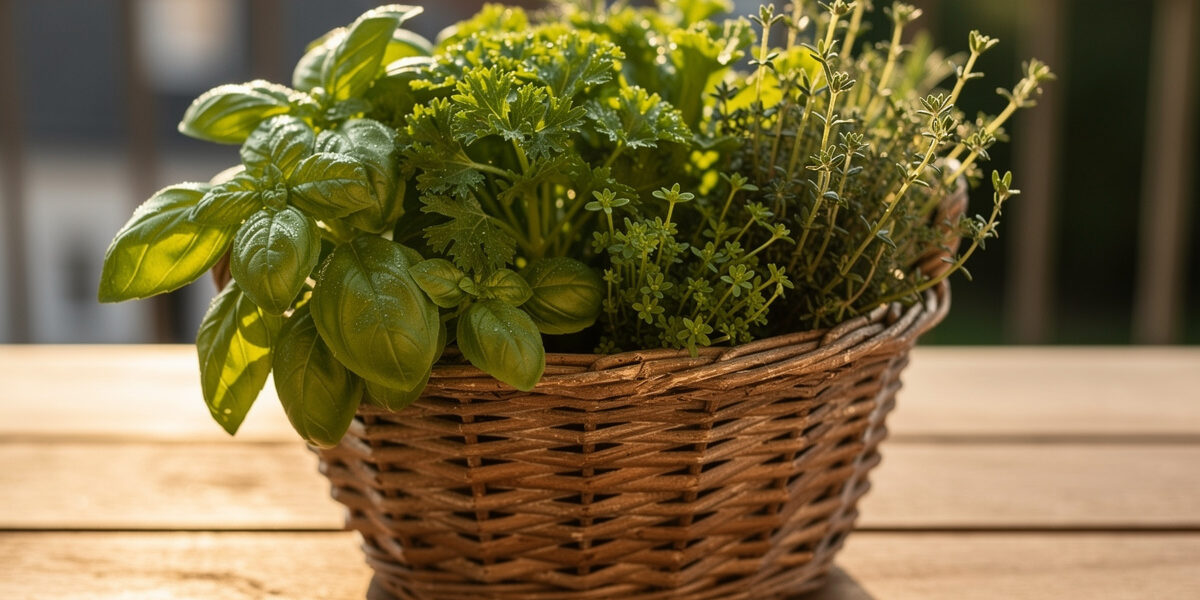
How you harvest an herb decides how much it gives you back. Cut it right and the plant responds by growing bushier and faster; cut it wrong and you stall it, brown the stubs, or trigger it to flower and quit. The technique matters more than the tool, and it differs depending on the kind of herb.
After years of cropping a windowsill and balcony through short Nordic seasons, I have settled on a few simple rules that keep plants productive instead of exhausted. This guide covers when to pick, how to cut each type of herb, and how to take enough for the kitchen without setting the plant back.
When to Harvest for the Best Flavour
Harvest herbs in the morning after the dew dries but before the midday sun, when the leaves are turgid and their aromatic oils are at their peak. Flavour is also strongest just before a plant flowers, so cropping regularly to delay flowering keeps both the harvest and the taste at their best.
The morning window matters because heat drives off some of the volatile oils that carry flavour and scent, so a plant picked at midday in full sun is a little less aromatic than the same plant picked a few hours earlier. Under grow lights this is less of an issue, but I still tend to crop before the warmest part of the day out of habit. The bigger lever is flowering: most herbs put their best flavour into leaf right up until they bloom, then redirect into seed. Frequent harvesting keeps soft herbs leafy and delays that switch, which is why regular picking improves flavour rather than depleting it.
The Golden Rule: Never Take More Than a Third
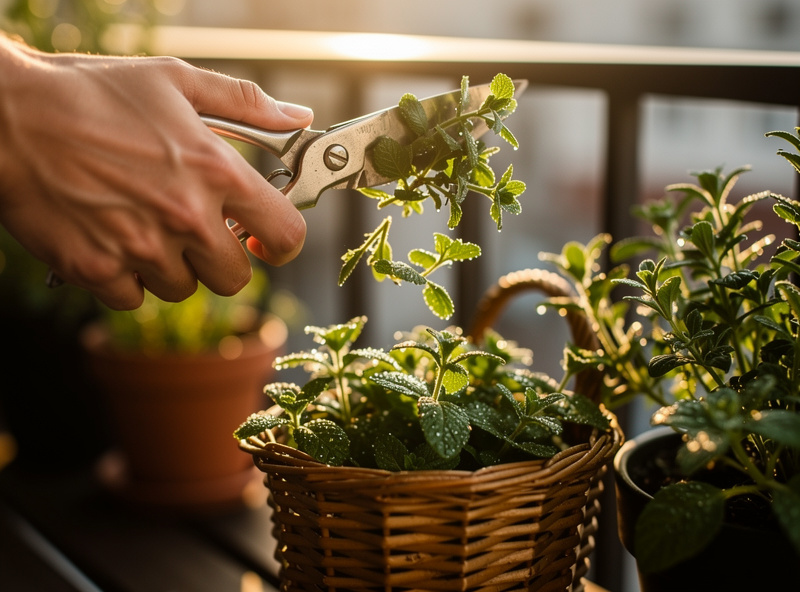
The single most important harvesting rule is to never remove more than about a third of a plant at once. Leaving two-thirds of the foliage means the plant keeps enough leaf to photosynthesise and recover quickly, so it bounces back instead of sulking or dying back from the shock of a hard cut.
This applies across almost every herb, from a basil bush to a thyme shrub to a clump of chives. Strip a plant bare and you remove its ability to feed itself, and recovery is slow or fails entirely. Take a third and the plant barely notices, often regrowing faster than before because harvesting stimulates new shoots. When I need a big harvest, I take a third from several plants rather than gutting one, which spreads the load and keeps everything growing. This restraint is what separates a herb plant that crops all season from one that limps along after a single greedy pick.
How to Harvest Different Herb Types
Herbs fall into a few harvesting groups, and each wants a slightly different cut. Soft leafy herbs are pinched at the growing tip, woody herbs are snipped from the green growth, and clumping herbs are cut low from the outside. Matching the cut to the type is what keeps each plant productive.
| Herb Type | Examples | How to Cut | Effect |
|---|---|---|---|
| Soft, leafy (pinch) | Basil, mint | Pinch tip above a leaf pair | Forces two new branches |
| Stem herbs (outer) | Parsley, cilantro | Cut outer stems at base | Centre keeps producing |
| Woody (green only) | Rosemary, thyme, sage | Snip green tips, not old wood | Stays bushy, no bare stubs |
| Clumping (low cut) | Chives | Cut low, 2-3 cm above soil | Regrows from the base |
Get this matching right and harvesting becomes pruning that happens to feed you. The classic errors are shearing the tops off parsley instead of taking outer stems, cutting rosemary back into bare wood that will not resprout, and snipping only the tips of chives so they brown. Each is fixed simply by knowing which group the herb belongs to.
Pinching Soft Herbs to Make Them Bushier
For soft herbs like basil and mint, pinch out the growing tip just above a pair of leaves. Each pinch forces the plant to send out two new branches from that node, so repeated tip-pinching turns a single leggy stem into a dense, productive bush. This is harvesting and shaping in one action.
I pinch basil every week or two whether I need it for the kitchen or not, because skipping it lets the plant grow tall and rush to flower. Always cut just above a leaf pair, never mid-stem, because the new shoots emerge from that node and a bare cut stub just dies back. The same logic applies to mint and other soft branching herbs. The more diligently you pinch, the bushier and more productive the plant becomes, which is why neglected soft herbs end up tall, sparse, and flowering while pinched ones stay full.
Harvesting Woody Herbs Without Killing Them
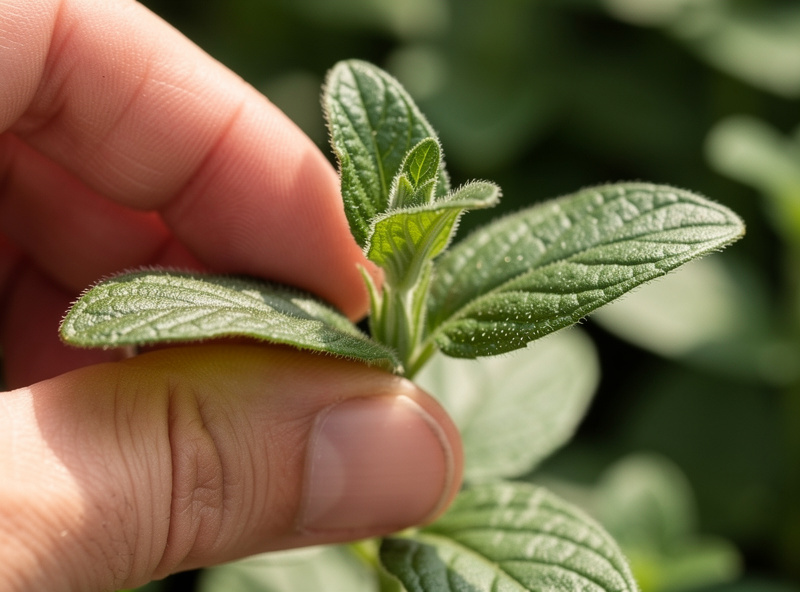
For woody herbs such as rosemary, thyme, and sage, only ever harvest the soft green growth, never cutting back into the old bare wood, which is slow or unwilling to resprout. Snip the leafy tips and upper stems, treating the woody base as permanent structure you crop from rather than into.
This is the rule that saves the most plants. A woody herb that gets hacked back into its bare stems often simply fails to regrow from that wood and ends up with dead, naked branches. I keep every cut in the green, take no more than a third, and give the plant a light shaping prune once a year after flowering. Cropping this way doubles as the pruning that keeps the plant dense, so I rarely need a separate pruning session. When an old woody herb finally gets too bare in the middle, I replace it from a cutting rather than trying to cut it hard back to rejuvenate it.
What to Do With the Harvest
Use soft herbs fresh within days, since they wilt fast, while woody herbs keep longer and dry well for storage. If you harvest more than you can use, the best soft herbs to preserve are those destined for cooking, and there are simple ways to dry, freeze, or otherwise keep a surplus.
I treat soft herbs as a fresh crop and pick them as needed rather than storing much, because basil and cilantro lose their character quickly once cut. Woody herbs are the opposite: thyme, rosemary, and sage hold flavour for days in the fridge and dry beautifully for the winter spice shelf. When a plant is about to bolt or the season is ending, that is the moment for a bigger harvest and a preserving session rather than letting the leaf go to waste. Knowing each herb’s storage life lets you crop strategically instead of wasting a flush of growth.
Harvesting Gear
Clean cuts matter, so a decent pair of snips earns its place. As an Amazon Associate I earn from qualifying purchases; these are items I genuinely use, at no extra cost to you.
- A sharp pair of herb snips makes clean cuts that heal fast and avoid crushing stems.
- A small harvest basket or trug keeps cut herbs loose and unbruised on the way to the kitchen.
Frequently Asked Questions
What time of day is best to harvest herbs?
Harvest in the morning after the dew dries but before the midday sun, when leaves are turgid and their aromatic oils peak. Heat drives off volatile oils, so a plant picked early is more flavourful than the same plant picked at midday.
How much of a herb plant can I cut at once?
Never take more than about a third of a plant at once. Leaving two-thirds of the foliage lets the plant keep photosynthesising and recover quickly. Strip it bare and recovery is slow or fails, so spread big harvests across several plants.
How do I harvest herbs so they grow back fuller?
Match the cut to the herb. Pinch soft herbs above a leaf pair to force branching, cut outer stems of parsley and cilantro at the base, snip only green growth on woody herbs, and cut chives low. Correct cutting makes plants bushier.
Does harvesting herbs encourage more growth?
Yes. Regular correct harvesting stimulates new shoots and delays flowering, so plants stay leafy and productive rather than bolting. Frequent picking improves both yield and flavour, provided you never remove more than about a third at a time.
Why do my herb stems brown after I cut them?
Browning stubs usually mean you cut in the wrong place, often snipping tips instead of cutting back to a leaf node or, on chives, leaving blunt tip ends. Cut just above a leaf pair on soft herbs and low to the base on clumping herbs.
Can I keep harvesting herbs in winter?
Yes, with light. Hardy herbs like parsley and chives crop into winter outdoors, and tender herbs continue indoors under a grow light. Woody herbs often rest rather than crop in the dark months, which is normal, so harvest lightly then.