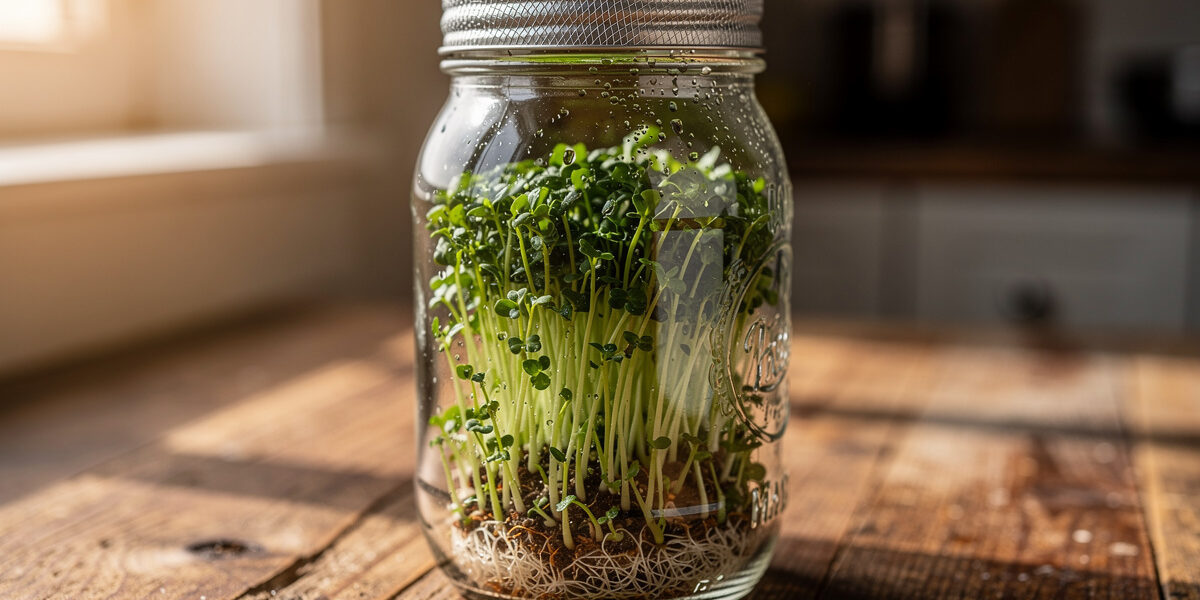
How to sprout broccoli seeds: Soak 2 tablespoons of seeds for 8 hours. Drain and rinse twice daily for 4-5 days. The trick that separates a successful batch from a moldy jar is the roll technique — spreading the seeds against the glass so every single one gets airflow. Harvest when the leaves appear and turn bright green, about day 5.
For a complete overview of all sprouting methods and seeds, see our complete sprouting guide.
Broccoli sprouts are the sprout that separate the casual countertop grower from the serious one. The seeds are tiny, expensive, and unforgiving of even a single missed rinse. But the payoff is one of the most intensely flavored sprouts you can grow — peppery, mustardy, and entirely unlike the mild crunch of lentils or alfalfa. They turn a sandwich into something you remember.
Broccoli seeds are different from every other sprouting seed I run. They are tiny enough to slip through standard sprouting lids, they generate a mucilaginous gel during the soak that traps moisture, and they clump together in the jar in a way lentils and mung beans never do. Get the technique right, though, and you pull a jar of vibrant green sprouts that taste like nothing you can buy. This guide is the exact method I use to beat the mold problem every time.
Why Broccoli Sprouts Are Worth the Extra Effort
Broccoli sprouts are the most challenging sprout I keep in rotation — and the one I reach for when I want a real punch of flavor rather than a generic crunch. The taste lands somewhere between a radish and a strong mustard green, with a heat that builds rather than hits all at once. If you find alfalfa boring and lentils too plain, broccoli sprouts are where the flavor lives.
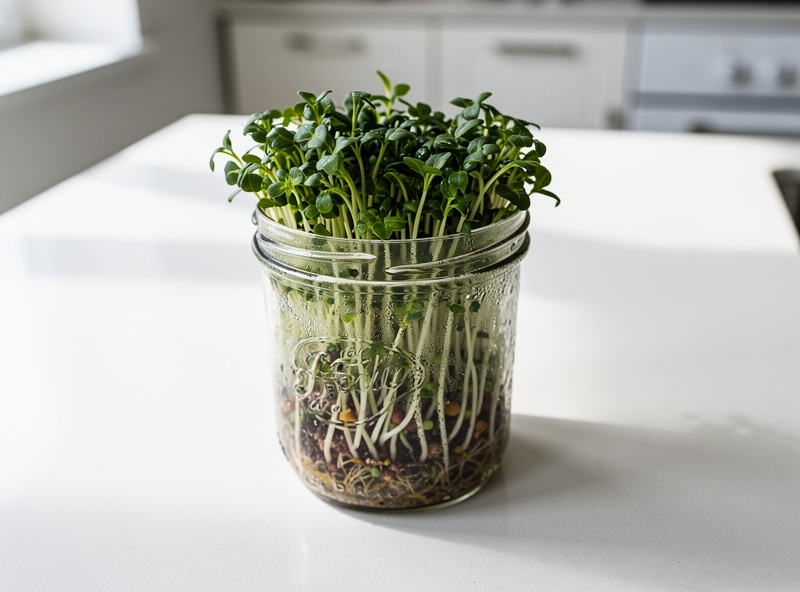
From a purely growing standpoint, they force you to learn the lessons that apply to every other small-seed sprout — airflow management, the difference between root hairs and mold, and why overcrowding is the #1 killer of a jar. Master broccoli sprouts and radish, clover, and alfalfa will feel easy by comparison.
Flavor Profile and Culinary Character
If mung beans are the neutral scaffolding of a stir-fry and lentils are the all-purpose crunch, broccoli sprouts are the flavor bomb. They carry a wasabi-like heat that starts soft and builds, with an earthy back note that raw radish seeds lack. I have had friends who love sprouts try a pinch of raw broccoli sprouts and recoil — and others who immediately asked for a jar to take home.
Raw Use: The pepper-mustard heat is strongest raw. A small handful on avocado toast, a BLT, or a grain bowl is all you need — these are not bulk sprouts you pile on by the cup. They cut through rich fats like cheese, egg yolk, and olive oil in a way that milder sprouts simply cannot.
Cooked Use: Light heat tames the bite considerably. A 30-second toss in a hot pan with garlic and oil turns the peppery edge into a savory depth that works well in omelets, pasta, and stir-fries. I do not cook them fully — just a fast wilt, enough to soften the leaves but leave the stems with some snap.
Texture: The stems are thinner and more delicate than mung beans or lentils, with a finer crunch that does not dominate a dish. The two small leaves at the tip carry most of the flavor; the stem is mild and watery-crisp.
Pairings: Broccoli sprouts work best paired with creamy or fatty ingredients that balance the heat — cream cheese, smoked salmon, avocado, hummus, or a soft-scrambled egg. They also disappear beautifully into a smoothie if you want the green without the taste, though I prefer them where I can actually taste what I grew.
Equipment Considerations
As an Amazon Associate I earn from qualifying purchases.Broccoli seeds are tiny — smaller than poppy seeds — and standard sprouting lids with large holes will let them pour right out during drainage. You need a fine mesh stainless steel lid with 1mm or smaller openings. A wide-mouth mason jar, the fine mesh lid, and organic broccoli sprouting seeds are the only must-haves. Total cost under $15. Do not use garden seeds — they may be treated with fungicides.
You need:
- A Wide-Mouth Mason Jar: The quart size gives the seeds enough glass surface to spread out during the roll.
- A Fine Mesh Stainless Steel Lid: 1mm mesh or finer — plastic lids with standard holes will dump your seeds down the drain. I learned this the hard way and lost half a tablespoon of seed on my first attempt.
- Organic Sprouting Seeds: Do not use garden seeds — they may be treated with fungicides. Sprouting-grade seed costs more but you use only 2 tablespoons per jar — a pound lasts months.
Step-by-Step Instructions
The key to successful broccoli sprouts is the roll technique — spreading the seeds against the glass after every rinse so each seed gets airflow instead of sitting clumped at the bottom. Every mold failure I have had with broccoli traced back to poor airflow. The roll fixes it. Soak 2 tablespoons of seeds for 8 hours, then drain and roll the jar to coat the walls with seeds. Rinse twice daily for 4-5 days, keeping sprouts in darkness until the final greening phase.
Step 1: The Soak
Place 2 tablespoons of seeds in your jar. Add 2-3 cups of cool water. Let them soak for 8 hours.
Note: Do not put more than 2 tablespoons in a quart jar. Broccoli sprouts expand massively. Overcrowding leads to poor airflow and rot.
Step 2: The Drain and Roll
Drain the water. Shake the jar to get most of the water out. Now, do the “Roll”: Spin the jar in your hands so the seeds coat the inside walls of the glass. This spreads the seeds out, giving them maximum surface area for air exchange. Place the jar upside down at an angle in your bowl.
Step 3: Rinse, Shake, Drain (Days 1-3)
Rinse morning and evening.
My biggest finding: Broccoli sprouts hate wet feet more than any seed I grow. After rinsing, shake the jar vigorously (hold the lid tight!) to force trapped water out of the mesh. If water sits in the clump of seeds, they will rot within 24 hours.
Step 4: The Greening (Days 4-5)
Initially, the sprouts will be yellow. This is normal. Around day 4, when they have grown about an inch long and have two distinct leaves, move the jar to a spot with indirect sunlight. Within hours, photosynthesis will kick in, and the leaves will turn a vibrant green.
Do not put them in direct hot sun, or they will cook in the jar.
Step 5: Harvest and De-Hulling
By day 5, they are ready. You can eat them as is, or you can de-hull them. The brown seed casings can trap moisture and reduce shelf life. To remove them, dump the sprouts into a bowl of water. Swirl them around; the hulls will float and the sprouts will stay submerged. Skim the hulls off. Dry the sprouts thoroughly before storing.
Storage and Shelf Life
Broccoli sprouts hold their quality for 5-7 days refrigerated when they are dry going into the container. I spread mine on a clean tea towel for a full hour after the final rinse before they go into storage — the surface water left on the leaves is what causes most spoilage. Once dry, transfer them to an airtight container lined with a paper towel and keep them in the coldest part of the fridge (around 35-40°F).
Signs of spoilage: Discard the batch if the sprouts turn slimy, develop visible grey/black mold (not the white root hairs — see the troubleshooting section above), or smell strongly unpleasant beyond the normal radish-sulfur note broccoli sprouts carry. When in doubt, throw them out.
Freezing: Fresh is best, but you can freeze broccoli sprouts by spreading them on a baking sheet, freezing solid, then bagging. The texture changes on thaw, so use frozen sprouts blended into smoothies rather than raw.
Troubleshooting Common Problems
White fuzz is usually root hairs (cilia) — rinse and they collapse against the root. If fuzz stays fuzzy, looks grey/black, or smells musty, it’s mold — discard immediately. Check water quality if yields are low; chlorine inhibits germination. Uneven growth indicates inconsistent moisture.
Mold vs. Root Hairs: The Test
Scenario: You look at your jar on Day 3, and the roots look fuzzy and white.
Rinse the sprouts or spray them with water:
- If the fuzz disappears (collapses against the root) -> It is Root Hairs. Safe!
- If the fuzz stays fuzzy, looks grey/black, or looks like a spiderweb -> It is Mold. Trash it.
- Smell: Root hairs smell like fresh radishes or sulfur (normal). Mold smells musty and sour.
Additional Problems and Solutions
- Seeds did not germinate at all.
- Check seed freshness – broccoli seeds lose viability over time. Ensure seeds are specifically labeled for sprouting. Water temperature during soaking should be cool, not warm or hot.
- Sprouts are growing unevenly.
- This usually indicates inconsistent moisture distribution. Make sure to shake the jar well after rinsing to spread seeds evenly across the jar surface.
- Sprouts taste extremely bitter.
- Excessive light exposure can increase bitterness. Keep sprouts in indirect light only during the greening phase. Also ensure you are not over-growing them past the optimal harvest window.
- Getting consistently low yields.
- Check your water quality. Heavily chlorinated water can inhibit germination. Consider using filtered water or letting tap water sit uncovered for 24 hours before use.
Safety First
Because broccoli sprouts are eaten raw for the best flavor and texture, basic hygiene is the difference between a clean jar and a contaminated one. Always wash hands before handling, sanitize jars with hot water between batches, use filtered or dechlorinated water if your tap smells strongly of chlorine, and discard any sprouts showing slime, dark spots, or off-odors beyond the normal radish-sulfur smell. People who are pregnant, elderly, very young, or immunocompromised should cook sprouts rather than eat them raw — the FDA Sprout Safety Alliance publishes the full industry-side guidance on this, and our own sprouting safety tips page summarizes the home-grower version.
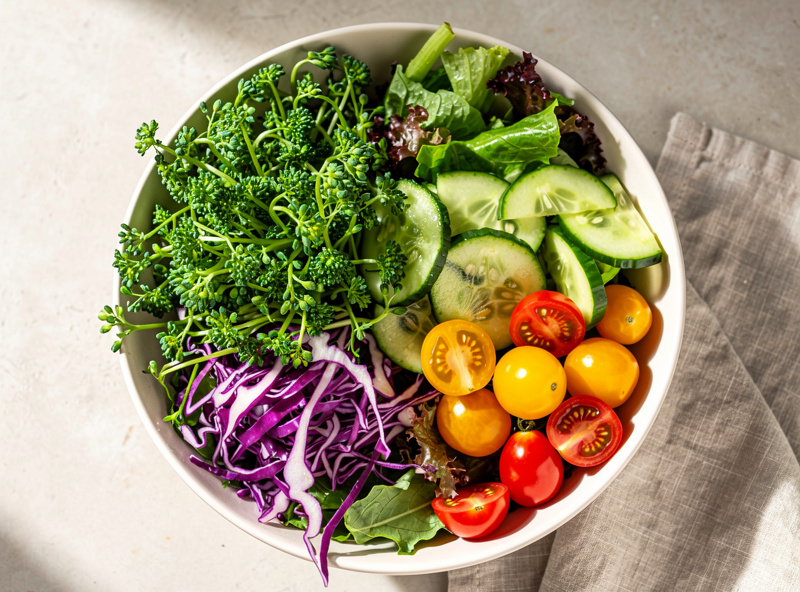
How to Use Broccoli Sprouts
Broccoli sprouts have the strongest flavor of any sprout I grow, which means they work differently in the kitchen than lentils or mung beans. You are not adding bulk — you are adding a peppery, mustardy accent.
- Raw on Rich Foods: The heat cuts through fat brilliantly. A pinch on avocado toast, a smoked salmon bagel, or a fried egg is where they shine. A little goes a long way — a tablespoon per serving is plenty.
- Smoothies: If the raw peppery taste is too much on its own, a tablespoon in a fruit smoothie disappears completely behind banana and berries. This is my go-to when I have a jar that came out extra spicy.
- Chopped as a Garnish: Chop them fine and sprinkle over soup, pasta, or grain bowls just before serving. Chopping releases more of the mustardy aroma, and the texture blends in better than whole sprouts.
- Lightly Wilted: A 30-second toss in a hot pan with butter or olive oil softens the heat considerably and brings out a sweeter, more vegetal character. This is the move if someone at the table finds raw radish sprouts too aggressive.
Why should I sprout broccoli seeds?
Broccoli sprouts deliver the most intense flavor of any countertop sprout — peppery, mustardy, and closer to wasabi than to mild alfalfa. From a growing standpoint, mastering broccoli teaches you airflow management and mold prevention skills that apply to every small-seed sprout.
How long do broccoli seeds take to sprout?
Broccoli seeds sprout in 3-5 days. After a 4-8 hour soak, they will show tails within 2 days. Harvest when sprouts develop small green leaves, typically by day 5.
Do broccoli sprouts need light?
Broccoli sprouts do not need light during the first 3-4 days of germination. Exposing them to indirect light on the final day helps the leaves green up, but it is optional.
Why do broccoli sprouts taste spicy?
Broccoli sprouts naturally produce mustard-oil compounds that create a peppery, wasabi-like heat. This develops during sprouting and intensifies when you chew or chop them. The flavor is strongest eaten raw and mellows significantly with brief cooking.
What equipment do I need for broccoli sprouts?
You need a quart-sized wide-mouth mason jar, a mesh sprouting lid, and a bowl for drainage. Broccoli seeds are small, so a fine mesh screen (1mm or smaller) prevents them from falling out during draining. Total cost under $15.
Why do my broccoli sprouts smell sour?
Sour smells indicate bacterial growth from standing water or warm temperatures. Always drain completely after rinsing, keep the jar at a 45-degree angle, and store in a cool spot below 75°F. If the smell persists, discard the batch.
How do I make broccoli sprouts taste less spicy?
To mellow the peppery heat, lightly sauté the sprouts for 30 seconds in butter or olive oil. You can also blend them into smoothies with banana and berries — the fruit masks the flavor completely. Older sprouts harvested later tend to be milder as well.