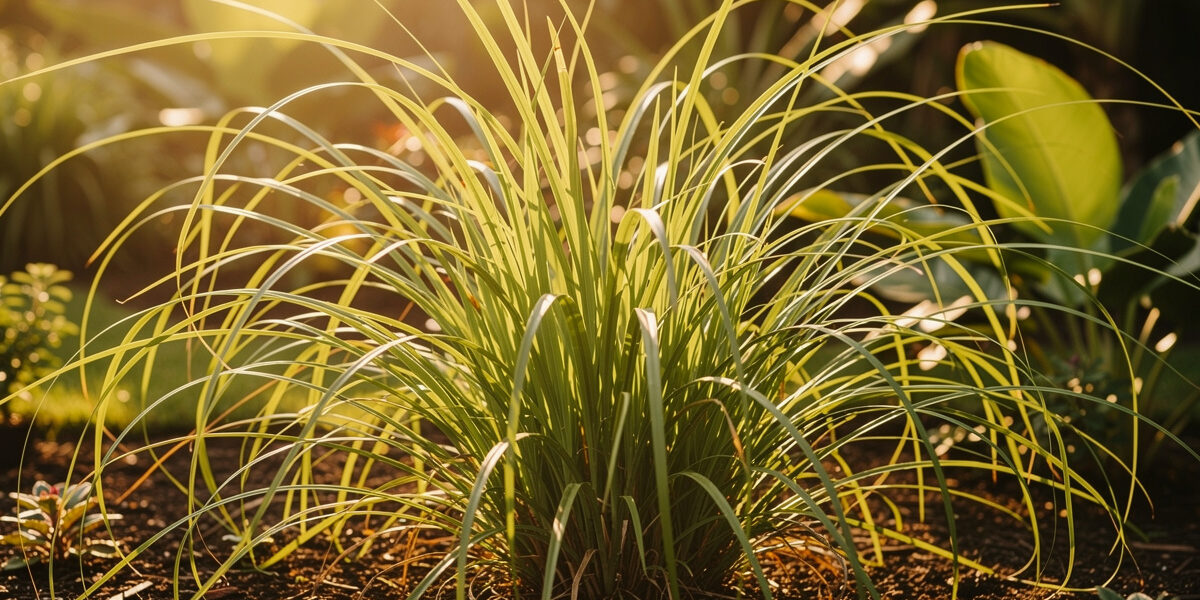
Planting lemongrass brings tropical citrus flavor to any garden, even far outside its native Southeast Asia. Cymbopogon citratus grows 3 to 5 feet in a single season from a grocery-store stalk rooted in water, producing thick, fragrant stalks for cooking and leaves that deter mosquitoes when crushed.
Lemongrass is one of the easiest herbs to propagate at home. A fresh lemongrass stalk from an Asian grocery store for under $2 can produce a full-sized clump within 4 months if planted in warm soil with adequate moisture. The entire plant is useful: the white bulbous base flavors Thai and Vietnamese cooking, the green blades make fragrant tea, and the essential oil (citronellal and geraniol) repels mosquitoes when the leaves are crushed. This guide covers propagation from store-bought stalks, outdoor planting, container growing for cold climates, and harvesting for kitchen use.
As an Amazon Associate I earn from qualifying purchases.
How to Root Lemongrass From Store-Bought Stalks
Buy the freshest lemongrass stalks available with the base intact and some root nubs visible at the bottom. Avoid stalks that have been trimmed flat at the base or that show dried, papery outer layers with no green tissue underneath. Asian grocery stores typically stock fresher, more viable stalks than mainstream supermarkets.
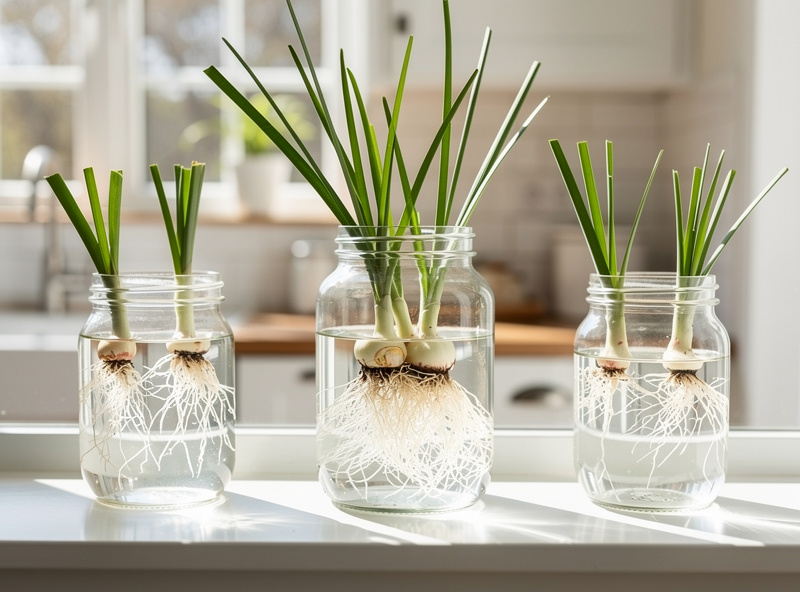
Trim the top leaves to 3 to 4 inches above the bulb. Remove any dead or dried outer layers to expose fresh pale green tissue underneath. Place the trimmed stalks base-down in a jar of water with the bottom 2 inches submerged. Set the jar on a warm, sunny windowsill — I keep mine on the kitchen counter where the morning light hits it, and the green shoots pushing up after a week are one of the most reliable signs of spring in my apartment.
Change the water every 2 days to prevent bacterial growth. White roots emerge from the base within 5 to 10 days. Once roots reach 2 to 3 inches long, the stalks are ready for planting. This works year-round indoors, so you can start rooting stalks in winter and have transplant-ready plants when warm weather arrives. For supplemental light during winter rooting, a grow light setup accelerates growth.
Planting Lemongrass Outdoors
Transplant rooted lemongrass outdoors only after all danger of frost has passed and nighttime temperatures consistently stay above 50F. Lemongrass is a tropical grass that stops growing below 50F and suffers tissue damage below 40F. Premature outdoor planting is the most common cause of failure in northern gardens.
Choose a site in full sun with at least 6 hours of direct light daily. Lemongrass tolerates partial shade but produces thinner stalks and weaker citrus flavor with less sunlight. Rich, moist, well-drained soil with a pH between 5.5 and 7.0 produces the best growth. Unlike lavender that demands lean soil, lemongrass is a heavy feeder that benefits from compost-enriched planting holes.
Space individual plants 24 inches apart. Each plant develops into a clump 2 to 3 feet wide by season’s end. Dig a hole twice the width of the root system, set the plant so the base sits at soil level, and backfill with compost-amended native soil. Water deeply at planting and apply 2 to 3 inches of organic mulch around the base to retain moisture.
Growing Lemongrass in Containers
Container growing is the best strategy for gardeners in zones 8 and colder because it allows moving plants indoors before frost. Choose a pot at least 14 inches in diameter and 12 inches deep. Lemongrass roots aggressively and becomes rootbound in smaller pots within one season.
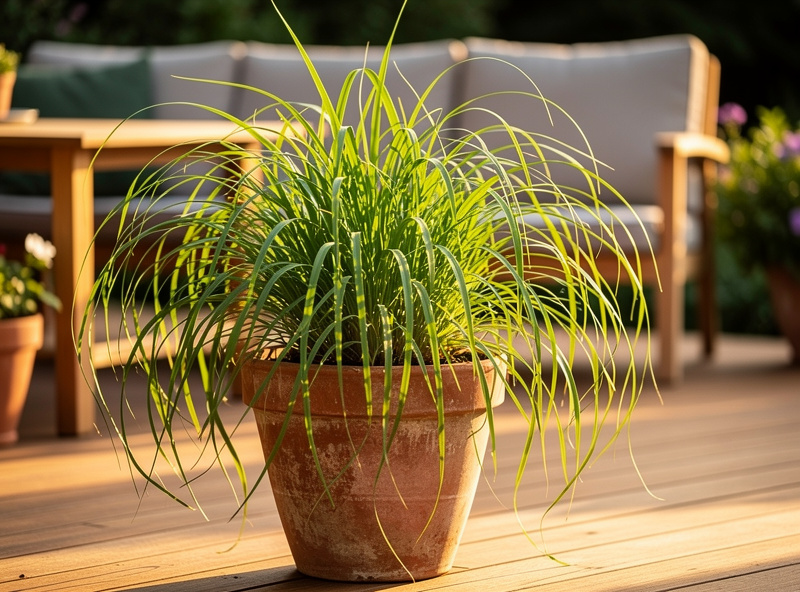
Use a rich potting mix amended with compost. Lemongrass is one of the few herbs that benefits from fertile, moisture-retentive soil rather than the lean, fast-draining mixes preferred by Mediterranean herbs. Water container lemongrass daily during hot weather because the dense foliage transpires heavily. The container gardening guide covers pot selection and drainage management in detail.
Place containers in the sunniest available location. South-facing patios, decks, and balconies are ideal. Lemongrass grows well alongside other tropical and subtropical container plants. For compact balcony gardens, a single large lemongrass pot provides both a cooking ingredient and an aromatic focal point that fills the air with citrus scent whenever the wind ruffles the leaves.
Watering and Feeding Lemongrass
Lemongrass needs more water than most herbs. Keep the soil consistently moist but not waterlogged during the growing season. In-ground plants need about 1 inch of water per week, with more during heat waves above 90F. Container plants may need daily watering during summer because the dense foliage drives rapid moisture loss.
Feed lemongrass monthly during the growing season with a balanced organic fertilizer or a nitrogen-rich feed like fish emulsion diluted to half strength. The heavy feeding schedule reflects lemongrass’s nature as a tropical grass that produces massive amounts of foliage biomass rapidly. Under-fed lemongrass produces thin, pale stalks that lack the plump white base prized in cooking.
Reduce watering and stop fertilizing in fall as growth slows. For container plants being brought indoors for winter, taper watering gradually so the plant enters semi-dormancy rather than continuing to push new growth in low-light indoor conditions.
Overwintering Lemongrass in Cold Climates
In zones 8 and colder, lemongrass dies to the ground at the first hard frost if left outdoors. The two overwintering strategies are bringing containers indoors and storing dormant divisions.
For container overwintering, move pots indoors before nighttime temperatures drop below 45F, saving at least a section of the bulbous shoot base with roots attached as insurance (University of Wisconsin Horticulture). Place in the brightest window available, ideally south-facing. Lemongrass goes semi-dormant indoors with minimal growth from November through February. Water sparingly, just enough to prevent the soil from drying out completely. The plant looks ragged through winter but rebounds quickly when moved back outdoors in spring.
For dormant storage, cut the foliage back to 3 inches above the base, dig the clump, shake off soil, and store the root mass in barely damp peat moss inside an unheated garage or basement where temperatures stay between 35 and 50F. Check monthly to ensure the peat stays slightly damp. Replant outdoors after the last frost. Success rate for dormant storage is roughly 70%, lower than container overwintering but useful for gardeners without indoor space. Through a Swedish winter, my lemongrass pot sits in the brightest corner of the living room where it stays semi-dormant from November to March, looking a bit ragged but always bouncing back the moment it goes outside again.
Harvesting Lemongrass for Cooking
Harvest individual stalks when they reach pencil thickness or larger at the base, typically 3 to 4 months after planting. Grasp the stalk near the base and twist firmly while pulling outward. The stalk separates cleanly from the clump. Alternatively, cut stalks at soil level with a sharp knife.
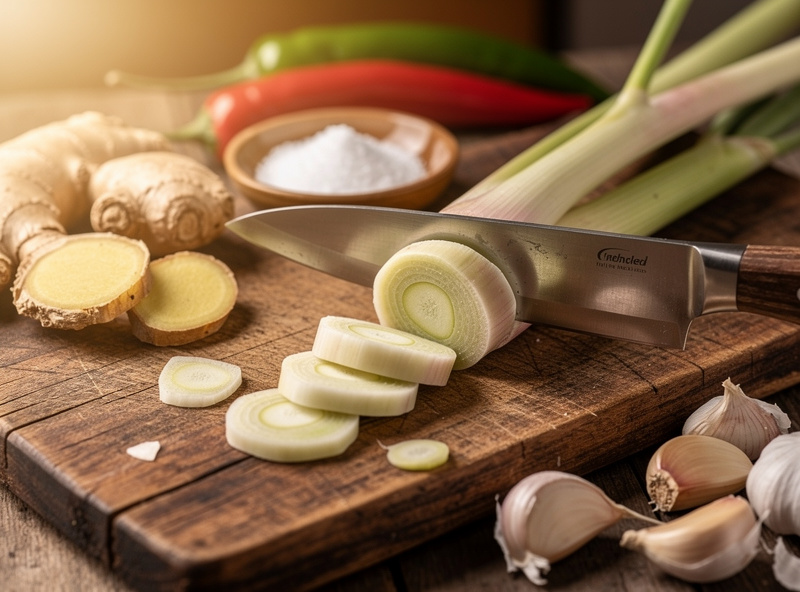
The culinary portion is the bottom 4 to 6 inches of the stalk, specifically the firm white and pale green section. Peel away any tough outer layers to reveal the tender core. Slice thinly, bruise with the flat of a knife, or mince for Thai curries, soups, stir-fries, and marinades. The upper green leaves are too fibrous for eating but make excellent tea when steeped in boiling water for 10 minutes.
Fresh lemongrass stalks keep 2 to 3 weeks wrapped in damp paper towel in the refrigerator. For longer storage, slice the tender base portions and freeze in zip-lock bags for up to 6 months. Frozen lemongrass retains most of its flavor and is convenient for adding directly to hot dishes without thawing.
Lemongrass as Mosquito Repellent
Lemongrass contains citronellal, the same active compound found in commercial citronella candles and sprays. Living lemongrass plants emit a mild citrus scent that provides moderate mosquito deterrence within a 3 to 5 foot radius, though the effect is less concentrated than extracted citronella oil.
For stronger repellent effect, crush or bruise fresh lemongrass leaves to release concentrated volatile oils. Rubbing crushed leaves on exposed skin provides 30 to 45 minutes of personal mosquito protection. Placing bruised leaves near outdoor seating extends the aromatic deterrence zone. Combined with catnip, which repels mosquitoes through a different chemical pathway (nepetalactone), lemongrass creates layered protection that covers multiple mosquito species.
Dividing and Propagating Lemongrass
Established lemongrass clumps benefit from division every 2 to 3 years. By the second growing season, a single plant develops into a dense clump of 20 or more stalks that becomes overcrowded and produces thinner stalks unless divided.
Divide in early spring just as new growth begins. Dig the entire clump and use a sharp spade or serrated knife to slice it into sections, each containing 3 to 5 stalks with roots attached. Replant divisions immediately at the same depth and water deeply. Each division grows into a full-sized clump by midsummer, effectively multiplying your lemongrass supply for free.
Common Lemongrass Problems
Frost damage is the primary concern outside tropical zones. Leaves turn brown and papery after even a light frost. In zones 9 and 10, lemongrass recovers from the roots after mild frost damage if the crown was protected with mulch. In colder zones, the plant is killed entirely and must be replanted or overwintered indoors.
Rust fungus appears as orange-brown spots on leaves during humid weather. Remove affected leaves and improve air circulation. Avoid overhead watering. Rust rarely kills lemongrass but makes harvested leaves unusable for tea.
Spider mites infest lemongrass in hot, dry conditions, especially on container plants near walls that radiate heat. Fine webbing on leaf tips and stippled discoloration are diagnostic signs. Regular misting of foliage discourages mites. Severe infestations respond to insecticidal soap spray applied in the evening. Growing lemongrass alongside other perennial herbs in a mixed herb planting promotes beneficial insect populations that naturally suppress mites.
My Nordic Overwintering Setup
Lemongrass is a tropical grass that does not survive freezing temperatures, but I bring a mature clump indoors every October and keep it alive through March on a south-facing windowsill with once-monthly watering. The growth slows nearly to a halt, but the plant stays green, and within a week of moving back to the balcony in April it pushes up fresh shoots. A 10-inch fabric pot with sharply drained sandy mix works better than plastic because the fabric breathes and prevents root rot through the slow winter metabolism.
Fresh lemongrass from the grocery store works as propagation stock: buy stalks with the base intact, place them in a glass of water on a windowsill, and roots emerge within two weeks. Once rooted, transfer to a pot and treat it like any houseplant through the winter.
Frequently Asked Questions
Can I grow lemongrass from grocery store stalks?
Yes. Place fresh stalks with intact bases in water on a sunny windowsill. Roots emerge within 5 to 10 days. Once roots reach 2 to 3 inches, transplant into soil. This is the cheapest propagation method available.
Is lemongrass a perennial or annual?
Lemongrass is a tender perennial in USDA zones 9 through 11. In colder zones it grows as a productive annual reaching 3 to 5 feet tall in one season. Container plants can be overwintered indoors in cold climates.
How much sun does lemongrass need?
Lemongrass needs at least 6 hours of direct sunlight daily for best growth. Full sun produces thicker stalks with stronger citrus flavor. Partial shade results in thinner stalks and reduced essential oil concentration.
When should I harvest lemongrass?
Harvest individual stalks when they reach pencil thickness at the base, typically 3 to 4 months after planting. Twist and pull stalks from the clump or cut at soil level. The culinary portion is the bottom 4 to 6 inches.
Does lemongrass really repel mosquitoes?
Yes, moderately. Lemongrass contains citronellal, the active compound in commercial citronella products. Living plants provide mild deterrence within 3 to 5 feet. Crushing leaves releases concentrated oils for stronger short-term repellent effect.
How do I overwinter lemongrass?
Move container plants indoors before temperatures drop below 45F. Place in bright south-facing window, water sparingly through winter. Alternatively, cut back foliage, dig the root mass, and store in damp peat at 35 to 50F.