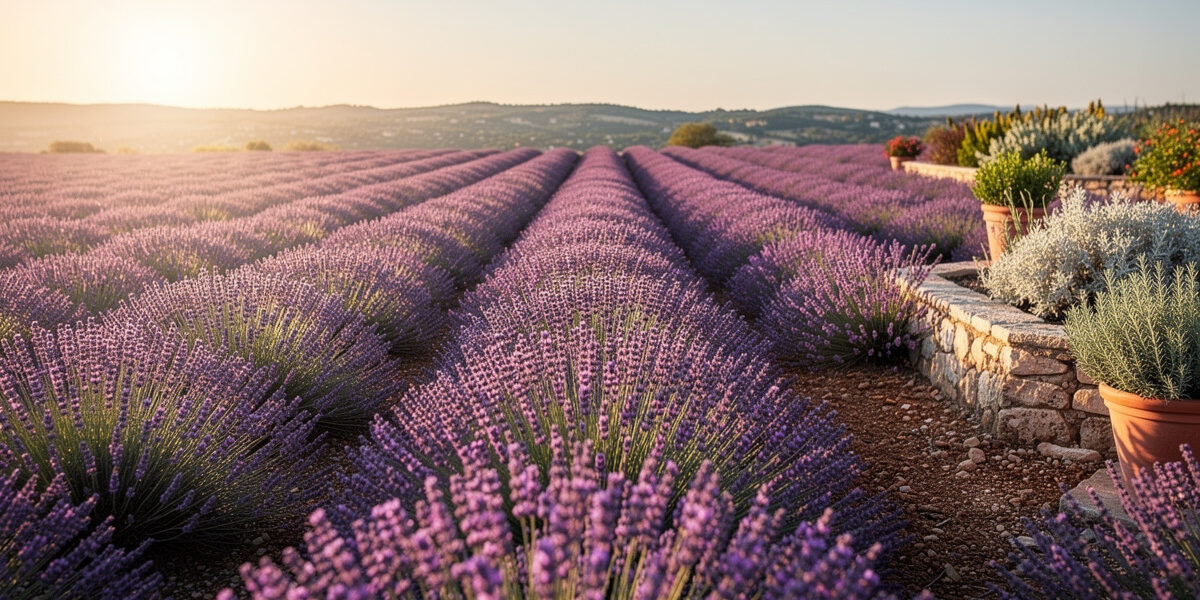
Lavender growth depends on three factors: full sun exposure of at least 6 hours daily, well-drained alkaline soil with a pH between 6.5 and 7.5, and minimal watering once established. A single lavender plant produces 1,000 to 2,000 flower spikes per season when these conditions are met, making it one of the most rewarding perennial herbs for home gardeners.
Whether you are planting your first lavender bush or expanding an existing perennial herb collection, understanding the specific needs of this Mediterranean native determines whether your plants thrive for 15 years or struggle through their first winter. This guide covers every lavender variety worth growing, soil preparation, pruning schedules, companion planting, propagation methods, and harvesting techniques drawn from established horticultural research and growing trials across USDA zones 4 through 9.
Lavender is the Mediterranean herb that tests a cool-climate gardener most — get the drainage and the variety right and it lives 10–15 years; get them wrong and a single wet winter rots it. The secret up north is twofold: brutally sharp drainage (lavender would far rather be dry than fed), and choosing hardy English lavender (‘Hidcote’, ‘Munstead’) over the tender French and Spanish types. You can grow it from seed, though it’s slow — most of us start with a plant. Here’s everything that actually keeps lavender alive and blooming.
A quick note: some links below are affiliate links — if you buy through them I may earn a small commission at no extra cost to you. I only point to things I’d use myself. Details on my disclaimer page.
Why Lavender Belongs in Every Perennial Herb Garden
Lavender earns its place because it delivers culinary, medicinal, and ornamental value simultaneously while requiring less maintenance than most annual herbs. Established lavender plants need watering only during prolonged drought, tolerate poor soils that would starve basil or parsley, and attract more pollinators per square foot than any other common herb.
The economic case is equally strong. A single lavender plant costs between $4 and $12 at nurseries but produces harvestable flowers for 10 to 15 years without replanting. Compare that to annual herbs like basil or dill that need replanting every season at $3 to $5 per plant. Over a decade, one lavender plant yields roughly 15,000 to 30,000 individual flower buds for cooking, sachets, essential oil extraction, or dried arrangements.
Lavender also serves as a natural pest deterrent. The linalool and linalyl acetate compounds in its essential oil repel mosquitoes, moths, fleas, and aphids. Planting lavender near vegetable beds or alongside other container garden setups creates a fragrant pest barrier without chemical sprays.
Lavender Varieties Compared: Which Type Grows Best
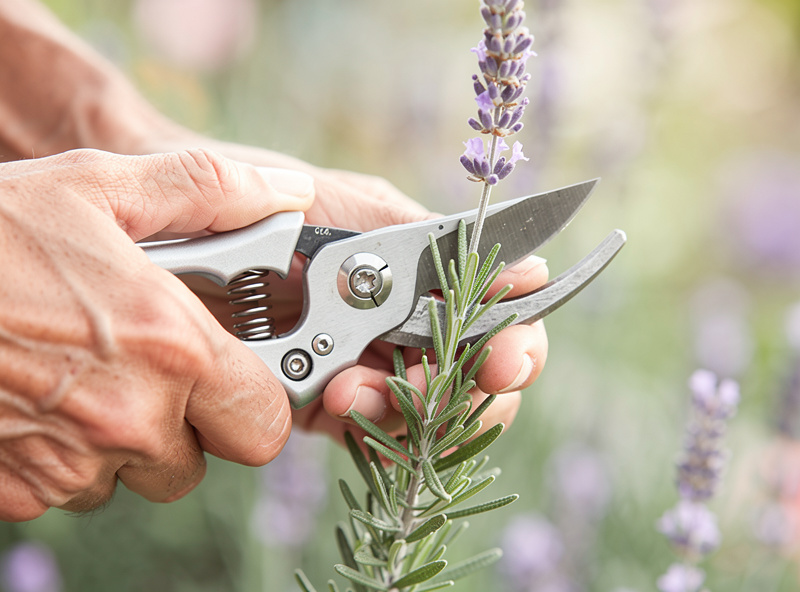
Choosing the right lavender variety prevents the most common failure in lavender growing: planting a heat-loving Spanish type in a cold climate or a cold-hardy English variety in humid subtropical conditions. The four main lavender species each serve different growing zones and purposes.
| Variety | Species | USDA Zones | Height | Best Use | Cold Hardiness | Humidity Tolerance |
|---|---|---|---|---|---|---|
| Hidcote | English (L. angustifolia) | 5-8 | 12-18 in | Culinary, borders | Excellent (-20F) | Low |
| Munstead | English (L. angustifolia) | 5-8 | 12-18 in | Culinary, compact beds | Excellent (-20F) | Low |
| Phenomenal | Lavandin (L. x intermedia) | 5-9 | 24-36 in | Essential oil, hedging | Very Good (-10F) | Moderate |
| Grosso | Lavandin (L. x intermedia) | 5-9 | 24-36 in | Oil production, drying | Very Good (-10F) | Moderate |
| Provence | Lavandin (L. x intermedia) | 5-9 | 24-30 in | Sachets, potpourri | Good (-10F) | Moderate |
| Anouk | Spanish (L. stoechas) | 7-10 | 18-24 in | Ornamental, containers | Poor (10F) | Moderate |
| Kew Red | Spanish (L. stoechas) | 8-10 | 18-24 in | Ornamental display | Poor (15F) | Moderate |
| Goodwin Creek Grey | French (L. dentata x L. lanata) | 8-11 | 24-36 in | Landscape, fragrance | Poor (20F) | High |
English lavender (Lavandula angustifolia) is the only species recommended for culinary use. Its lower camphor content produces a sweet, floral flavor rather than the medicinal bite found in lavandin or Spanish types. For cooking, Hidcote and Munstead remain the standard choices across professional kitchens and home herb gardens.
Lavandin varieties (L. x intermedia) are hybrid crosses between English and spike lavender. They produce 3 to 5 times more essential oil per plant than pure English types, which explains why Grosso accounts for roughly 80% of commercial lavender oil production in Provence, France. For home growers prioritizing dried flower bundles or essential oil distillation, Phenomenal is the standout variety because it also tolerates humidity better than any other lavandin cultivar.
Soil Preparation for Lavender
Lavender dies from wet roots faster than from any pest, disease, or cold snap. The single most important soil requirement is drainage speed: water must pass through the root zone within 15 minutes of application. Heavy clay, compacted garden beds, and moisture-retaining potting mixes kill lavender within one to two seasons.
Test your existing soil drainage by digging a hole 12 inches deep and 12 inches wide. Fill it with water and time how long it takes to drain completely. If the water disappears within 15 minutes, your soil drains well enough for lavender. If it takes longer than 30 minutes, you need to amend heavily or switch to raised beds.
The ideal lavender soil mix contains 60% mineral material (coarse sand, perlite, or fine gravel) and 40% organic matter (compost or aged bark). This ratio provides structure for root anchoring while preventing waterlogging. If you are working with clay soil, the fastest fix is building a raised bed at least 12 inches tall and filling it with the 60/40 mix.
Lavender prefers alkaline soil between pH 6.5 and 7.5. Most garden soils in the eastern United States run acidic (pH 5.5 to 6.0). Add agricultural lime at a rate of 5 pounds per 100 square feet to raise pH by approximately 0.5 points. Retest after 30 days and repeat if needed. Western US soils typically fall within the correct pH range naturally.
For container-grown lavender, mix equal parts potting soil, coarse perlite, and coarse sand. Add one tablespoon of garden lime per gallon of mix. Use unglazed terracotta pots with drainage holes rather than plastic containers, as terracotta wicks moisture away from roots and prevents the saturated conditions that trigger root rot. A guide to potting soil selection can help you choose the right base mix.
Planting Lavender: Spacing, Depth, and Timing
Plant lavender in spring after the last frost date when soil temperatures reach at least 60F at a 4-inch depth. Spring planting gives roots 5 to 6 months to establish before winter dormancy, which is critical for survival in zones 5 and 6 where first-year winter kill rates reach 30% for fall-planted lavender.
Space English lavender varieties 12 to 18 inches apart for a dense border or hedge effect. Lavandin varieties need 24 to 36 inches because their mature spread is significantly wider. Cramming plants closer than recommended restricts airflow around the crown, which invites fungal diseases in humid climates.
Set the root ball so the crown sits slightly above the surrounding soil line, roughly half an inch higher. Lavender crowns that sit in depressions collect water and develop crown rot, the number one killer of otherwise healthy lavender plants. After planting, apply a 2-inch layer of pea gravel or crushed stone mulch around the base. Never use wood chip or bark mulch on lavender because organic mulches retain moisture against the crown.
Water newly planted lavender deeply once at planting, then once per week for the first month. After that, reduce to every 10 to 14 days for the remainder of the first growing season. By the second year, established lavender in the ground needs supplemental water only during stretches of 3 or more weeks without rain.
Sunlight and Location Requirements
Lavender needs a minimum of 6 hours of direct sunlight daily, with 8 or more hours producing the strongest fragrance and densest flower production. South-facing positions are ideal in the Northern Hemisphere. Plants receiving fewer than 6 hours develop leggy, open growth with sparse flowering and weaker essential oil concentration.
Airflow matters as much as sunlight. Avoid planting lavender in sheltered corners, against walls, or surrounded by taller plants that block air movement. Still, humid air around lavender foliage creates conditions for botrytis (gray mold) and other fungal infections. A slightly exposed, breezy location is preferable to a warm but still microclimate.
For indoor growing, lavender requires the brightest window in your home, typically south-facing, supplemented with a grow light providing at least 12 hours of light daily. Even with supplemental lighting, indoor lavender rarely matches the vigor and flower production of outdoor plants. Consider indoor growing as a way to overwinter tender varieties rather than a permanent growing strategy.
Watering Lavender: The Less-Is-More Approach
Overwatering kills more lavender plants than drought, cold, or pests combined. Established lavender in the ground needs roughly 1 inch of water every 2 to 3 weeks during the growing season. In-ground plants in zones 7 and above that receive regular rainfall often need no supplemental irrigation at all.
Container lavender dries out faster and needs watering when the top 2 inches of soil feel completely dry. Insert your finger into the potting mix up to the second knuckle. If any moisture is detectable, wait another 2 to 3 days before checking again. During winter dormancy, reduce watering to once monthly for container plants and stop entirely for in-ground plants.
Signs of overwatering include yellowing lower leaves, a soft or mushy crown base, a musty smell from the soil, and general wilting despite moist soil. Signs of underwatering are gray-green leaf color (rather than silvery green), inward-curling leaves, and flower buds that dry up before opening. Underwatering is far easier to correct than overwatering because lavender roots recover from drought within days but rarely recover from root rot.
Pruning Lavender for Shape and Longevity
Annual pruning extends lavender lifespan from 5 years to 15 or more years by preventing the woody, bare-centered growth that makes old lavender plants collapse outward. Unpruned lavender becomes woody at the base within 3 to 4 years, and once wood goes bare, it will not regrow green shoots.
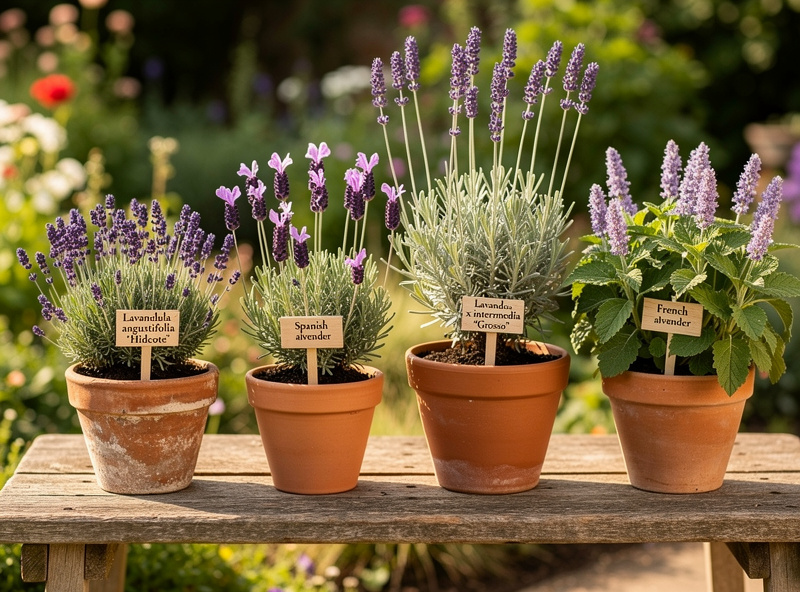
Prune twice per year for best results. The primary pruning happens immediately after flowering ends, typically in late summer. Cut back the entire plant by one-third of its total height, shaping it into a rounded mound. Always cut into green growth and never into old bare wood. The secondary pruning is a light trim in early spring as new growth appears, removing any winter-damaged tips and reshaping the mound.
Use sharp bypass pruners or hedge shears cleaned with rubbing alcohol between plants. Dull cuts crush stems and create entry points for disease. For large lavender hedges, battery-powered hedge trimmers save significant time while providing a clean enough cut for healthy regrowth.
Fertilizing Lavender: Why Less Produces More
Lavender evolved on the nutrient-poor limestone soils of the Mediterranean basin. Rich, heavily fertilized soil produces lush green foliage at the expense of flowers and essential oil concentration. The ideal approach is minimal to zero fertilization for in-ground plants growing in amended soil.
For container lavender, apply a half-strength balanced organic fertilizer (such as 5-5-5) once in early spring as new growth begins. Do not fertilize after June because late-season growth is tender and vulnerable to winter damage. If your lavender is producing abundant green foliage but few flowers, stop fertilizing entirely. The problem is too much nitrogen, not too little.
The one amendment worth applying annually is a thin top-dressing of garden lime around the base of each plant in early spring. This maintains the alkaline pH that lavender prefers and replaces calcium leached by winter rains. Apply 1 to 2 tablespoons per plant, scattered on the soil surface under the gravel mulch.
Propagating Lavender: Cuttings vs Seeds
Softwood cuttings taken in late spring produce clones of the parent plant with a 70 to 85% success rate, making this the preferred propagation method. Seed-grown lavender is unpredictable because most garden varieties are hybrids or cultivars that do not come true from seed, and germination takes 14 to 28 days with stratification.
To take softwood cuttings, select 4-inch non-flowering shoots from this season’s growth. Strip the lower 2 inches of leaves, dip the cut end in rooting hormone powder, and insert into a 50/50 mix of perlite and peat. Keep the cuttings misted and in bright indirect light at 65 to 70F. Roots develop in 3 to 6 weeks. Harden off rooted cuttings for 2 weeks before transplanting outdoors.
Semi-hardwood cuttings taken in late summer also work but root more slowly (6 to 10 weeks) and have a lower success rate of 50 to 65%. The advantage of late-summer cuttings is that rooted plants can overwinter in a cold frame and transplant the following spring with an established root system.
If growing from seed, start indoors 10 to 12 weeks before the last frost date. Lavender seeds require cold stratification: mix seeds with damp sand in a sealed bag and refrigerate at 35 to 40F for 3 to 4 weeks before sowing. Surface-sow on sterile seed-starting mix because lavender seeds need light to germinate. Expect spotty germination of 30 to 50% even under ideal conditions. A seed starting guide covers the fundamentals of indoor propagation.
Companion Planting with Lavender
Lavender pairs well with plants that share its preference for full sun, lean soil, and infrequent watering. The best companions are other Mediterranean herbs and drought-tolerant perennials that will not compete for moisture or shade out the lavender canopy.
Strong companion combinations include rosemary, thyme, oregano, sage, and santolina. These share identical soil drainage and pH requirements and create a cohesive Mediterranean herb bed that pollinators love. Balcony herb gardens often group these together successfully in containers.
Avoid planting lavender next to moisture-loving herbs like basil, mint, parsley, or cilantro. Their watering needs are incompatible. Lavender also struggles next to heavily mulched vegetable beds where organic matter breaks down and creates acidic, moisture-retentive conditions around its roots.
In ornamental beds, lavender combines well with echinacea, black-eyed Susan, yarrow, catmint, and ornamental grasses. These perennials bloom at different times, creating a succession of color, and they all tolerate the lean soil conditions that lavender demands.
Common Lavender Pests and Diseases
Healthy lavender growing in proper conditions faces remarkably few pest problems. The essential oils that make lavender valuable to humans actively repel most insect pests. Problems almost always trace back to environmental stress, particularly overwatering, poor drainage, or insufficient airflow.
Root rot (Phytophthora or Pythium species) is the number one disease. Symptoms include sudden wilting of entire branches, brown or black roots, and a sour smell from the soil. There is no cure once root rot establishes. Prevention is the only strategy: proper drainage, gravel mulch, and avoiding overwatering. Remove and destroy affected plants immediately to prevent spread.
Botrytis blight (gray mold) appears as fuzzy gray patches on leaves and flower stems during humid weather. Improve airflow by spacing plants further apart and avoiding overhead irrigation. Remove affected branches and dispose of them in the trash, not the compost pile.
Spittlebugs create foamy white masses on stems in spring. They cause minimal damage and can be washed off with a strong water spray. Whiteflies occasionally infest lavender in greenhouse or indoor settings but rarely cause significant damage outdoors where natural predators keep populations in check.
Harvesting and Drying Lavender
Harvest lavender when roughly one-third of the flower buds on each spike have opened. This stage contains the highest essential oil concentration, measured at 1.5 to 3% oil content by dry weight for English varieties and 3 to 5% for lavandin types. Waiting until all buds open reduces oil content by approximately 20% and causes bud shatter during drying.
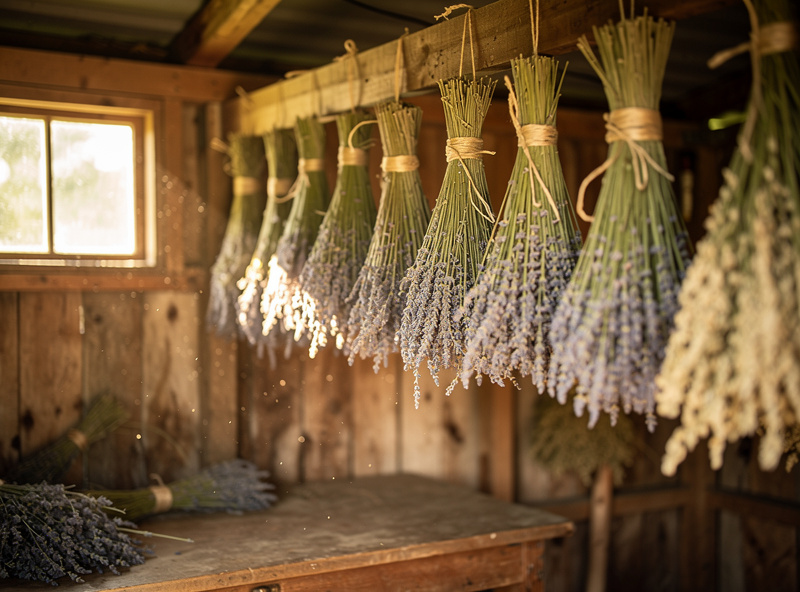
Cut stems in the morning after dew has dried but before the midday heat volatilizes essential oils. Use sharp pruners and cut 2 to 3 inches into the green leafy growth below the flower spike, which doubles as your summer pruning. Bundle 20 to 30 stems together with rubber bands and hang upside down in a dark, warm, well-ventilated space for 2 to 4 weeks.
Properly dried lavender retains its fragrance for 1 to 2 years in sealed containers stored away from light. For culinary use, strip dried buds from stems and store in glass jars. One teaspoon of dried culinary lavender buds flavors an entire batch of shortbread, lemonade, or honey. A little goes a very long way because dried lavender is roughly 3 times more potent than fresh.
Overwintering Lavender in Cold Climates
English lavender varieties survive winter temperatures down to -20F (USDA zone 5) when planted in well-drained soil. Winter kill in cold climates is almost always caused by wet roots in frozen soil rather than air temperature alone. Ice crystals forming in waterlogged soil physically shear root tissue.
Prepare in-ground lavender for winter by stopping all watering after September, adding a 3-inch layer of gravel mulch around the crown, and avoiding any fall pruning that stimulates tender new growth. In zones 5 and 6, a loose cover of evergreen boughs placed over the plant after the ground freezes provides wind protection without trapping moisture.
Container lavender in cold climates should move to an unheated garage, shed, or cold frame where temperatures stay between 25 and 45F. The plant needs winter dormancy triggered by cold temperatures, so bringing it into a heated house is counterproductive. Water container lavender sparingly through winter, roughly once per month, just enough to prevent the root ball from drying out completely.
Growing Lavender in Containers
Container growing is the best option for gardeners with heavy clay soil, limited space, or climates colder than zone 5 where in-ground survival is unreliable. Lavender adapts well to pots if drainage and pot size are adequate.
Choose a pot at least 12 inches in diameter and 12 inches deep for English varieties, or 16 inches for lavandin types. Terracotta and stone pots are preferable to plastic because they breathe and wick moisture. Every pot must have at least one drainage hole. Place pots on feet or risers to prevent the drain hole from sitting in a saucer of water. A comprehensive container gardening guide covers pot selection and drainage in detail.
Repot lavender every 2 to 3 years in spring, stepping up one pot size. Root-bound lavender declines in flower production and becomes more susceptible to drought stress. When repotting, gently loosen the outer roots and backfill with fresh fast-draining potting mix amended with perlite and lime.
Lavender Uses: Culinary, Medicinal, and Craft
Culinary lavender adds floral depth to both sweet and savory dishes. Only use English lavender (L. angustifolia) varieties for cooking because other species contain higher camphor levels that taste medicinal. Classic culinary applications include herbes de Provence blends, lavender honey, shortbread, lemonade, and ice cream. Use sparingly because the flavor compounds intensify during cooking.
Medicinally, lavender essential oil is one of the most studied plant oils. Clinical trials have shown that inhaling lavender oil reduces anxiety scores by 20 to 30% in pre-surgical patients (Journal of Alternative and Complementary Medicine). Lavender tea made from dried buds has been used for centuries as a mild sedative and digestive aid. Topical application of diluted lavender oil shows antibacterial properties against common skin pathogens including Staphylococcus aureus.
Craft uses include dried flower arrangements, sachets for closets and drawers, wreaths, and homemade soap. Dried lavender bundles maintain moth-repellent properties for 6 to 12 months, making them a natural alternative to chemical mothballs. Lavender-filled eye pillows and heat packs are popular wellness items that can be made entirely from home-grown material.
Troubleshooting Lavender Growth Problems
Leggy, sparse growth with few flowers almost always indicates insufficient sunlight. Move container plants to a brighter location or remove competing plants that shade your lavender. Pruning a leggy plant hard in spring can restore shape, but only if the light problem is also corrected.
Yellowing leaves on lavender signal one of three issues: overwatering (lower leaves yellow first), nitrogen deficiency (uniform yellowing, rare in lavender), or alkaline chlorosis from extremely high pH above 8.0. Check soil moisture first because overwatering is responsible in roughly 80% of yellowing cases.
Lavender not flowering despite healthy foliage growth means the plant is getting too much nitrogen, too little sun, or was pruned at the wrong time. Flower buds form on the previous season’s growth, so heavy spring pruning removes the very stems that would have flowered. Limit spring pruning to light tip trimming only.
Sudden death of an established plant almost always indicates root rot from waterlogged soil. Examine the roots: healthy roots are white and firm while rotted roots are brown, soft, and smell sour. If the plant has been in the ground for several years, the soil may have compacted or the drainage characteristics may have changed due to nearby construction, regrading, or heavy mulching by a well-meaning neighbor.
Building a Complete Perennial Herb Garden Around Lavender
Lavender serves as the anchor plant for a low-maintenance perennial herb garden that produces for years without replanting. Surround lavender with other perennial herbs that share its growing conditions to create a self-sustaining garden bed requiring minimal input after the first season.
A well-designed perennial herb garden built around lavender might include creeping thyme as a ground cover between plants, sage for culinary use and silvery foliage contrast, oregano for sprawling edge planting, rosemary as a structural companion of similar size, and lemongrass in a container sunk into the bed for tropical height.
Several of these herbs have their own detailed growing guides in this cluster. For ground cover options, see our guide to planting creeping thyme. Medicinal herb enthusiasts should explore planting comfrey as a nutrient-accumulating companion. Cat owners will find value in our planting catnip guide. For English lavender variety selection and climate-specific planting depth, read our dedicated planting English lavender guide. Tropical herb growers can add height and citrus flavor with lemongrass, and foragers will appreciate our guide to wild hedge garlic.
For soil preparation fundamentals that apply across all perennial herbs, our best soil for herbs guide provides mix recipes and pH adjustment instructions. Urban growers working with limited space can adapt these perennial herb combinations for balcony growing or vertical garden structures.
Frequently Asked Questions
How fast does lavender grow from seed to flower?
Lavender grown from seed takes 90 to 180 days to reach transplant size and typically does not flower until its second year. Nursery transplants flower within the first growing season, usually 60 to 90 days after spring planting.
Does lavender come back every year?
Yes. Lavender is a perennial that returns for 10 to 15 years when planted in well-drained soil and pruned annually. English lavender varieties survive winters down to -20F in USDA zone 5 without protection.
Can lavender grow in shade?
Lavender cannot thrive in shade. It requires a minimum of 6 hours of direct sunlight daily. Plants receiving less than 6 hours produce leggy growth with sparse flowers and reduced essential oil concentration.
Why is my lavender turning brown?
Brown lavender usually indicates root rot from overwatering or poor drainage. Check soil moisture and root health. Healthy roots are white and firm. Brown, soft, foul-smelling roots confirm root rot, which is typically fatal.
When is the best time to prune lavender?
Prune lavender immediately after flowering ends in late summer, cutting back one-third of total height. A light secondary trim in early spring removes winter damage. Never cut into old bare wood as it will not regrow.
Is lavender safe for dogs and cats?
Lavender plants are mildly toxic to cats and dogs if ingested in large quantities. The ASPCA lists lavender as causing nausea, vomiting, and reduced appetite. Most pets naturally avoid lavender due to its strong scent.
How often should I water established lavender?
Water established in-ground lavender roughly once every 2 to 3 weeks during the growing season. Container lavender needs watering when the top 2 inches of soil feel completely dry. Overwatering is the leading cause of lavender death.