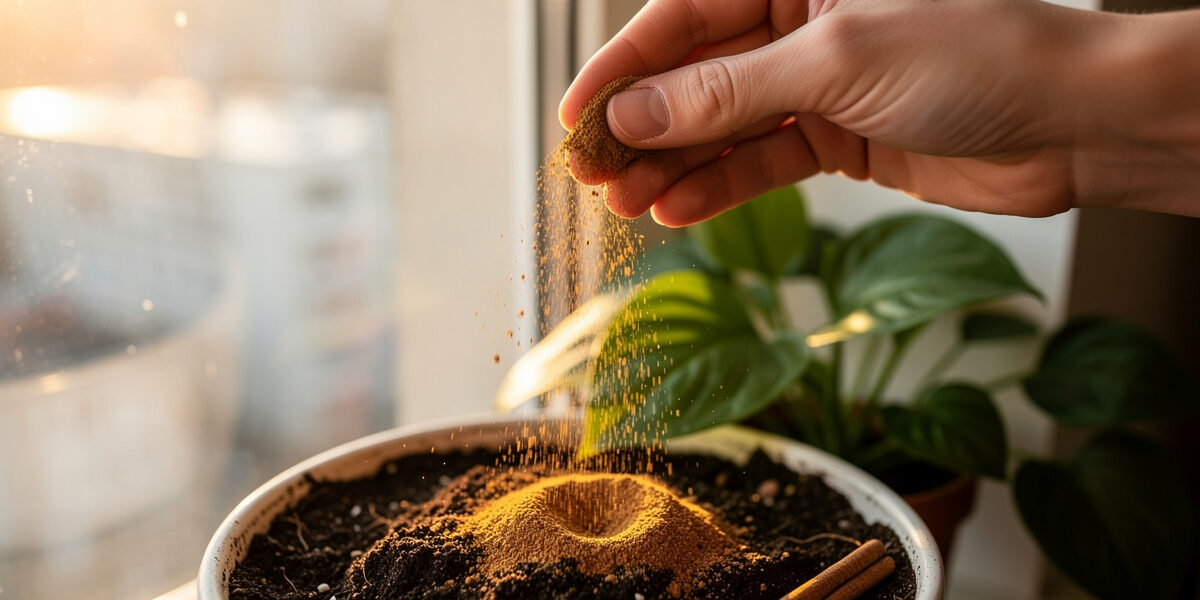
Cinnamon for fungus gnats works by suppressing the soil fungi that larvae eat, not by killing the gnats directly. Applied as a 1/4-inch layer of powdered cinnamon on top of potting mix, the cinnamaldehyde compounds starve gnat larvae of their primary food source within 7-14 days. For a complete elimination protocol covering every treatment method, see the complete fungus gnat elimination guide.
Why Cinnamon Works Against Fungus Gnats
Cinnamon for fungus gnats has gained popularity among houseplant enthusiasts as a safe, natural, and surprisingly effective treatment option. This common kitchen spice, derived from the bark of Cinnamomum trees, contains powerful antifungal compounds that address the root cause of fungus gnat problems: the fungi and decaying organic matter that feed gnat larvae. By suppressing fungal growth in potting soil, cinnamon starves larvae of their primary food source, naturally reducing gnat populations without chemicals or complex treatments.
The effectiveness of cinnamon against fungus gnats lies primarily in cinnamaldehyde, the compound responsible for cinnamon distinctive aroma and flavor, along with other phenolic compounds with antimicrobial properties. These natural chemicals inhibit fungal growth, reducing the soil ecosystem that supports gnat larvae. While cinnamon does not directly kill adult gnats or larvae through contact, it eliminates the food web they depend upon, creating an inhospitable environment that cannot support gnat populations long-term.
The Science Behind Cinnamon Treatment
For more effective treatments, try hydrogen peroxide drench.
Antifungal Properties
Cinnamon contains several compounds with potent antifungal activity, including cinnamaldehyde, eugenol, and various phenolic acids. These compounds work by disrupting fungal cell membranes and interfering with essential metabolic processes. When applied to soil, cinnamon creates an environment where pathogenic fungi and the saprophytic fungi that gnat larvae feed upon cannot thrive.
Research has demonstrated cinnamon effectiveness against a wide range of fungi, including species commonly found in potting soil that support gnat populations. By suppressing these fungal populations, cinnamon indirectly controls gnats by removing their food source. This mode of action differs from insecticides that kill directly, instead working through ecological disruption of the gnat food web.
Impact on Gnat Larvae
Fungus gnat larvae feed primarily on fungi, decaying organic matter, and root hairs — University of Maryland Extension notes the larvae feed on fungi in damp soil and that overwatering is what promotes the fungi they rely on. By suppressing that fungal component of their diet, cinnamon forces larvae onto decaying matter and root tissue alone, reducing their survival and growth. Starving larvae are more susceptible to other stresses and less likely to survive to adulthood and reproduce.
Additionally, the antifungal compounds in cinnamon may have mild insecticidal effects on soft-bodied larvae through contact toxicity and antifeedant properties. While not as immediately lethal as chemical insecticides, this secondary activity contributes to overall effectiveness when combined with food web disruption.
Root Health Benefits
Beyond gnat control, cinnamon antifungal properties benefit plant health by suppressing soil-borne pathogens that cause root rot and damping-off disease. The same compounds that deter gnat-supporting fungi also protect against Pythium, Phytophthora, and Rhizoctonia species that attack plant roots. This dual benefit makes cinnamon valuable for overall plant health, not just pest management.
Cinnamon may also stimulate root growth through mild hormonal effects, potentially helping plants recover from gnat damage more quickly. This root stimulation, combined with reduced fungal disease pressure, creates conditions where plants can outgrow and recover from moderate gnat infestations.
Types of Cinnamon for Treatment
Ceylon vs. Cassia Cinnamon
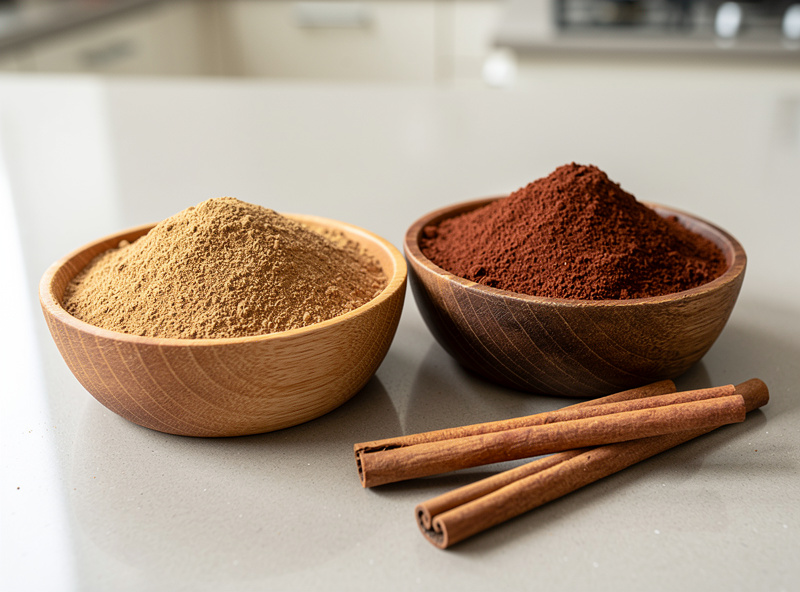
Two main types of cinnamon exist: Ceylon cinnamon (Cinnamomum verum), sometimes called “true cinnamon,” and cassia cinnamon (Cinnamomum cassia or aromaticum), which is the more common and less expensive variety sold in most grocery stores. Both contain cinnamaldehyde and other active compounds, but cassia typically has higher concentrations of coumarin, a compound that can be toxic in very large quantities.
For gnat treatment, either type works effectively, though Ceylon cinnamon has a lower coumarin content. However, the quantities used for gnat control are small enough that coumarin concerns are negligible. Most gardeners use whatever cinnamon is readily available and affordable.
Ground Cinnamon vs. Essential Oil
Ground cinnamon powder is the most common form used for gnat treatment, easy to apply and readily available. The powder works by direct contact with soil, slowly releasing active compounds as it decomposes. Application is simple and requires no special equipment or preparation beyond sprinkling the powder on soil surfaces.
Cinnamon essential oil provides concentrated active compounds and can be mixed with water for soil drenches or diluted for sprays. However, essential oil application requires more care to avoid plant damage from the concentrated compounds, and the oil does not persist in soil as long as ground powder. Most gardeners find ground cinnamon more practical for routine use.
Quality Considerations
Use fresh, high-quality cinnamon for best results. Old cinnamon that has lost its characteristic aroma has also lost much of its active compound potency. Buy from stores with high turnover to ensure freshness, or purchase in smaller quantities more frequently. Store cinnamon in airtight containers away from heat and light to preserve effectiveness.
Avoid cinnamon with added sugars, anti-caking agents, or other ingredients that might affect soil chemistry or support unwanted microbial growth. Pure cinnamon powder without additives provides the most predictable results for gnat control.
Application Methods and Techniques
Combine with DIY sticky traps for a multi-pronged approach.
Surface Application
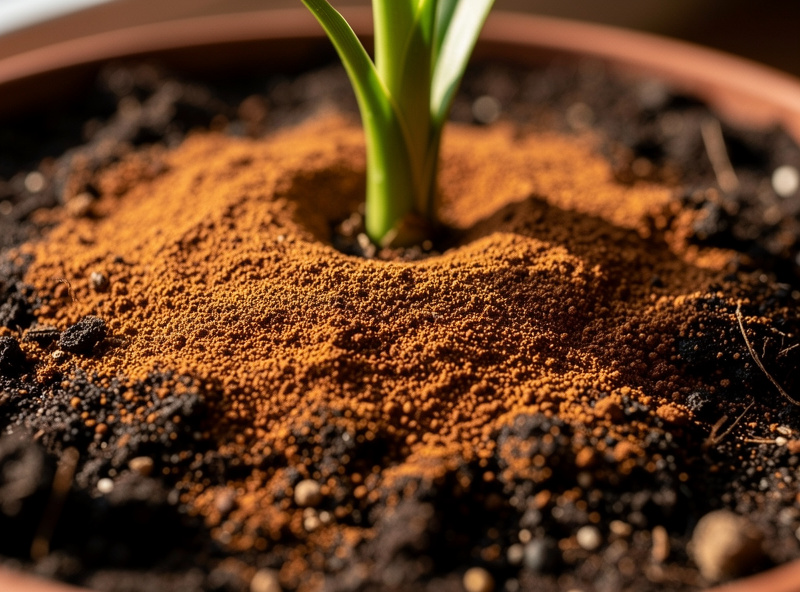
The simplest application method is sprinkling ground cinnamon directly on the soil surface. Apply a visible but not excessive layer approximately 1/8-1/4 inch thick across the entire soil surface. The powder should completely cover the soil, creating a uniform cinnamon-colored layer that indicates thorough application.
Work carefully around plant stems, applying cinnamon close but not directly touching the stem to prevent potential irritation or rot issues. For plants with dense foliage, use a small spoon or brush to maneuver cinnamon into tight spaces where gnats might otherwise access soil.
After application, avoid disturbing the cinnamon layer for several days to allow active compounds to penetrate the soil and begin affecting fungal populations. Water gently around the edges of pots or use bottom watering to avoid washing away the cinnamon layer immediately after application.
Soil Incorporation
For more intensive treatment, work cinnamon into the top 1-2 inches of soil using a small trowel or your fingers. This incorporation method places active compounds directly where gnat larvae feed and where fungal populations are most active. Use approximately 1-2 tablespoons of ground cinnamon per 6-inch pot, adjusting proportionally for larger or smaller containers.
Soil incorporation provides faster and more comprehensive fungal suppression than surface application alone, as the cinnamon is immediately in contact with the soil microbiome. However, it disturbs the soil more and may be impractical for plants with sensitive root systems or dense root balls.
Cinnamon Water Drenches
Create a cinnamon tea by steeping 2-3 tablespoons of ground cinnamon in 1 quart of hot water for several hours or overnight. Strain the liquid through cheesecloth or fine mesh to remove solids, then use the resulting cinnamon water as a soil drench. This method distributes antifungal compounds throughout the soil profile, reaching deep root zones that surface applications cannot access.
The liquid application is particularly useful for plants where surface powder might be unsightly or where thorough soil penetration is desired. However, the liquid form breaks down faster than powder, requiring more frequent application. Use drenches every 7-10 days for ongoing suppression.
Combination with Other Barriers
Cinnamon works exceptionally well when combined with physical barriers like sand or diatomaceous earth. Apply cinnamon first as a soil treatment, allowing it to work for 24-48 hours, then add a 1-inch sand layer on top. The cinnamon suppresses fungi below while the sand prevents gnat access to soil above, creating comprehensive protection.
For detailed sand barrier techniques, see my guide on sand on soil for gnats prevention. The combination of biological suppression (cinnamon) plus physical barrier (sand) addresses the problem from multiple angles simultaneously.
Treatment Schedules and Frequency
For another organic option, see neem oil for fungus gnats.
Initial Treatment for Active Infestations
For active gnat infestations, apply cinnamon heavily initially to suppress fungal populations quickly. Use the soil incorporation method if possible, applying 1-2 tablespoons per 6-inch pot worked into the top inch of soil. Follow up with a surface layer for ongoing suppression. Repeat application every 7-10 days for 3-4 treatments to ensure complete fungal suppression.
Cinnamon works more slowly than chemical treatments, requiring patience and consistent application. Expect to see reduced gnat activity within 1-2 weeks as fungal populations decline and larvae starve. Complete elimination typically requires 3-4 weeks of regular treatment combined with other control methods like yellow sticky traps for adults.
Maintenance Applications
Once gnat populations are under control, switch to maintenance applications every 3-4 weeks. Apply a light surface layer of cinnamon to prevent fungal reestablishment and deter any remaining gnat activity. This preventive approach maintains the unfavorable soil conditions that prevent gnat populations from rebounding.
Combine cinnamon maintenance with proper watering practices, allowing soil to dry between waterings. The combination of cinnamon suppression plus reduced moisture creates doubly inhospitable conditions for gnat survival.
Combining with Other Control Methods
Cinnamon integrates well with other gnat control strategies. Combine with yellow sticky traps to capture adults while cinnamon suppresses the fungal food source. Use alongside hydrogen peroxide soil drenches for comprehensive management, applying hydrogen peroxide first to kill larvae, then cinnamon to prevent fungal regrowth.
For detailed integrated pest management strategies, see my comprehensive guide on how to get rid of fungus gnats.
Safety and Plant Health Considerations
Plant Safety
Cinnamon is generally safe for most plants when used at recommended rates. The antifungal properties actually benefit many plants by suppressing disease-causing organisms. However, some very sensitive plants may show mild stress reactions, particularly if cinnamon contacts tender foliage or is over-applied.
Avoid applying cinnamon directly to plant leaves or stems, as the powder might clog stomata or cause minor irritation. Keep applications focused on soil surfaces. If accidental foliar contact occurs, rinse plants gently with water to remove powder.
Seedlings and very young plants may be more sensitive to concentrated applications. Use lighter applications (half the normal rate) on young plants or wait until seedlings are established before applying cinnamon treatments.
Human and Pet Safety
Cinnamon is food-safe and poses no risk to humans or pets when used for gnat control. The quantities applied to soil are small and present no toxicity concerns. However, cinnamon powder can be irritating if inhaled, so apply carefully to avoid creating dust clouds. Wash hands after handling to prevent transfer to eyes or mucous membranes.
Cats may be attracted to cinnamon scent and might investigate treated plants. While not toxic, ingestion of large amounts of cinnamon powder could cause minor digestive upset. Monitor curious pets and consider using sand barriers over cinnamon if pet interference is a concern.
Soil Biology Impacts
Cinnamon antifungal activity affects both harmful and beneficial fungi in soil. While this suppresses gnat-supporting organisms, it may also temporarily reduce beneficial mycorrhizal fungi that support plant health. However, these beneficial organisms typically recover quickly once cinnamon applications cease, and the antifungal effects are less pronounced than with synthetic fungicides.
The impact on overall soil ecology is generally minor and temporary, particularly compared to chemical alternatives. Many gardeners find that the benefits of gnat suppression and pathogen control outweigh any temporary disruption of soil microbiology.
Cinnamon vs Other Natural Gnat Treatments
Cinnamon is a prevention-and-suppression tool, not a knockout. It works on the larvae in the top inch of soil by removing their fungal food, but it does nothing to flying adults and acts slowly. Knowing where it sits against the other natural options helps you build the right combination — most successful treatments pair a fast larvae killer with cinnamon for ongoing suppression and a trap for adults.
| Treatment | Targets | Speed | How It Works | Best Use |
|---|---|---|---|---|
| Cinnamon | Larvae (indirect) | Slow (1-2 weeks) | Suppresses soil fungi the larvae feed on | Prevention & mild infestations |
| Neem oil | Larvae & adults | Moderate (1-2 weeks) | Disrupts larval growth and feeding | Active infestations |
| Hydrogen peroxide | Larvae | Fast (on contact) | Kills larvae instantly, oxygenates soil | Quick larvae knockdown |
| Sand / grit topping | Adults (barrier) | Immediate barrier | Blocks egg-laying on the soil surface | Prevention after treatment |
| Yellow sticky traps | Adults | Ongoing | Physically catches flying adults | Monitoring & adult control |
Advantages and Limitations
Benefits of Cinnamon Treatment
Cinnamon offers numerous advantages: completely safe and non-toxic for all environments; readily available in any grocery store at low cost; easy to apply without special equipment; provides dual benefits of gnat suppression plus disease prevention; pleasant aroma that many people enjoy; integrates well with other control methods; and creates no chemical residues or environmental concerns.
Unlike treatments requiring precise timing or specific conditions, cinnamon is forgiving and flexible. Applications can be made whenever convenient, and excess application rarely causes problems. This low-stress approach appeals to busy gardeners or those managing large plant collections.
Limitations to Consider
Cinnamon primary limitation is its slow mode of action. Unlike hydrogen peroxide or chemical insecticides that kill immediately, cinnamon requires days to weeks to suppress fungal populations and starve larvae. For severe, active infestations where plant health is deteriorating rapidly, cinnamon alone may not act quickly enough and should be combined with faster-acting treatments.
Cinnamon provides no direct toxicity to adult gnats, so flying insects continue to be a nuisance even as larvae populations decline. Adult control requires complementary methods like yellow sticky traps. The treatment also requires consistent reapplication, as the active compounds break down over time and fungal populations may rebound.
Finally, cinnamon effectiveness varies with environmental conditions. High humidity and temperatures that favor rapid fungal growth may overwhelm cinnamon suppression, requiring more frequent applications or combination with other controls.
Troubleshooting Cinnamon Applications
When Cinnamon Does Not Work
If cinnamon fails to reduce gnat populations, first verify you are applying sufficient quantities and repeating applications regularly enough. The slow mode of action requires patience and persistence. Check whether you actually have fungus gnats or a different pest requiring different treatment. See my guide on fungus gnats vs fruit flies for proper identification.
Verify that soil is not remaining excessively wet despite cinnamon application. Cinnamon suppresses fungi but cannot overcome constantly saturated soil that creates ideal gnat habitat regardless of fungal populations. Address watering practices in addition to applying cinnamon.
Plant Stress Reactions
If plants show stress symptoms after cinnamon application, including yellowing or wilting, reduce application rates or discontinue use temporarily. Some plants are more sensitive than others. Rinse soil surface with plain water to remove excess cinnamon, and resume treatment at half strength if desired. Most stress reactions are temporary and resolve within days.
Mold Growth on Cinnamon
Occasionally, cinnamon itself may develop mold if applied to excessively wet soil or if contaminated cinnamon is used. This indicates that conditions are too wet for effective gnat management regardless of treatment. Allow soil to dry thoroughly, remove moldy cinnamon, and reapply fresh, dry cinnamon only after soil moisture is properly managed.
Combining Cinnamon With Sticky Traps
The pairing that has worked best for me is cinnamon powder plus yellow sticky traps. The traps catch the adult gnats that emerge from untreated eggs or from deeper soil the cinnamon never reaches, while the powder works on the larvae feeding in the top inch of soil. I place one trap per pot, replace it every couple of weeks, and reapply cinnamon after watering, since the powder loses effect once it is saturated. On a minor infestation, that combination has cleared things up for me within a couple of weeks without reaching for any chemical pesticide.

Does cinnamon really kill fungus gnats?
Cinnamon does not directly kill adult gnats or larvae through contact. Instead, it suppresses the fungi that gnat larvae feed upon, effectively starving larvae and preventing population growth. For complete elimination, combine cinnamon with adult trapping methods.
How much cinnamon should I put on my plants?
Apply ground cinnamon approximately 1/8-1/4 inch thick across the entire soil surface, or work 1-2 tablespoons per 6-inch pot into the top inch of soil. Reapply every 7-10 days for active infestations, or every 3-4 weeks for maintenance.
How long does cinnamon take to work on gnats?
Cinnamon works slowly, requiring 1-2 weeks to show significant effects as fungal populations decline and larvae starve. Complete elimination typically requires 3-4 weeks of consistent application combined with other control methods.
Can I use cinnamon essential oil instead of powder?
Yes, but with caution. Essential oil is more concentrated and must be diluted properly. Mix 5-10 drops per quart of water with a few drops of dish soap as an emulsifier. Test on a small area first.
Will cinnamon hurt my plants?
Cinnamon is generally safe for plants at recommended application rates. The antifungal properties may actually benefit plant health by suppressing disease-causing soil fungi. Avoid direct contact with plant stems and foliage.
Can I combine cinnamon with other treatments?
Yes, cinnamon integrates well with all other gnat control methods. Combine with sand barriers, yellow sticky traps, beneficial nematodes or Bti, or hydrogen peroxide for faster, more complete elimination.
How often should I apply cinnamon for maintenance?
Once gnat populations are controlled, apply maintenance treatments every 3-4 weeks to prevent reinfestation. Continue proper watering practices, allowing soil to dry between waterings.
Related Articles
Keep building a complete, chemical-free gnat control routine with these guides: