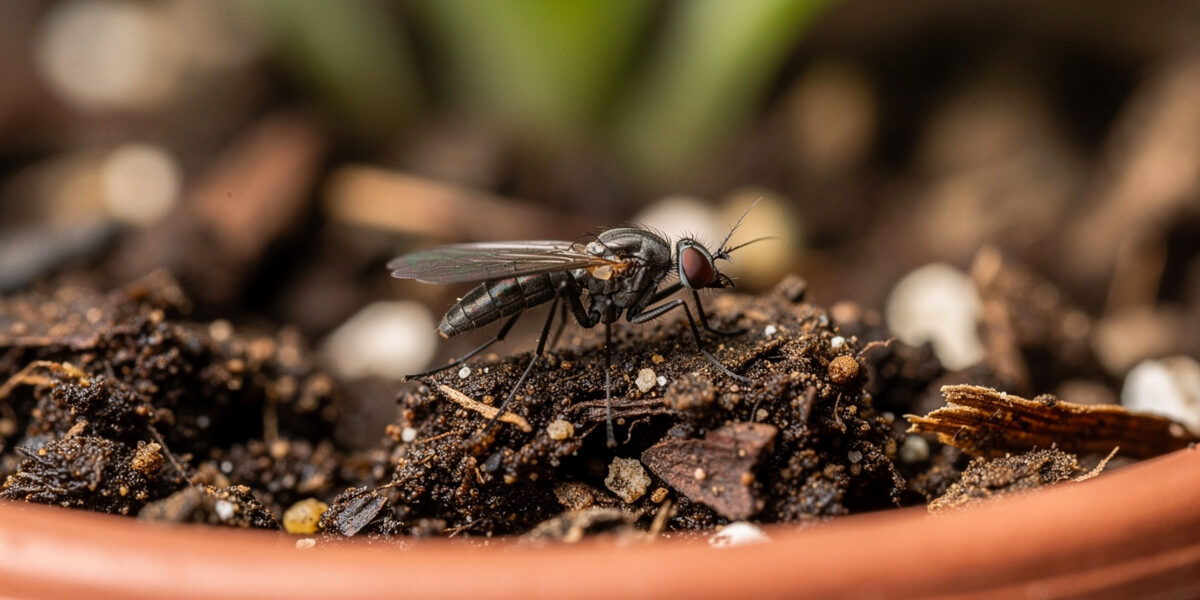
Fungus gnats in houseplants are tiny flying insects that infest indoor plant soil. They are harmless to humans but damage plant roots and spread disease. The most effective elimination method combines sticky traps for adults with BTI (Bacillus thuringiensis israelensis) drench for larvae, plus allowing soil to dry between waterings. Most infestations resolve in 2-3 weeks with consistent treatment.
Fungus gnats are among the most common indoor plant pests, and most houseplant owners run into them sooner or later. These small, mosquito-like insects breed rapidly in moist potting soil, with a single female laying up to 200 eggs during her week-long lifespan. The larvae feed on plant roots, organic matter, and beneficial fungi, causing stunted growth, yellowing leaves, and in severe cases, plant death. Understanding the fungus gnat life cycle and using targeted treatments is the key to permanent elimination.
This comprehensive hub covers every aspect of fungus gnat identification, prevention, and elimination. Each section links to detailed guides for specific treatment methods, identification tips, and prevention strategies. Whether you are dealing with a few gnats around one plant or a full-blown infestation across your entire collection, this guide provides the complete roadmap to a gnat-free home.
What Are Fungus Gnats and Why Do They Infest Houseplants?
Fungus gnats (family Sciaridae) are small, dark flying insects approximately 1/8 inch long that resemble tiny mosquitoes. They are attracted to moist, organic-rich soil where they lay their eggs. The larvae that hatch from these eggs feed on fungi, algae, and plant roots in the top 2-3 inches of potting soil. Unlike fruit flies that are attracted to ripening produce, fungus gnats are specifically drawn to damp soil and decomposing organic matter.
The fungus gnat life cycle takes approximately 3-4 weeks from egg to adult. Eggs hatch in 4-6 days, larvae feed for 10-14 days, pupation takes 3-4 days, and adults live for about 7-10 days. This rapid cycle means a small problem can become a major infestation in just a few weeks if left untreated. The key to effective control is interrupting this cycle at multiple stages simultaneously — targeting both the flying adults and the soil-dwelling larvae.
Overwatering is the primary cause of fungus gnat infestations. When potting soil stays consistently moist, it creates the ideal breeding environment — and Michigan State University Extension notes that simply allowing potting soil to dry out a bit between waterings will usually reduce or even eliminate a fungus gnat problem. Plants that prefer to dry out between waterings — succulents, cacti, snake plants, and most tropical houseplants — are particularly vulnerable when kept too wet. Even plants that like consistent moisture can develop gnat problems if the soil surface never dries.
This guide covers identification, damage assessment, and every proven control strategy — from sticky traps and BTI drenches to natural remedies like cinnamon and sand barriers — organized so you can start treatment immediately regardless of infestation severity.
Identifying Fungus Gnats: Signs and Symptoms
Correct identification is the first step to effective treatment. Fungus gnats are often confused with fruit flies, drain flies, and other small flying insects, but the treatment for each is different. Misidentifying the pest leads to wasted time and ineffective treatments.
Visual Identification
Adult fungus gnats are 1/8 inch long with dark gray to black bodies, long legs, and a single pair of transparent wings. They have a distinctive Y-shaped vein pattern on their wings (visible under magnification). They fly in erratic, zigzag patterns and are weak fliers — they tend to hover near the soil surface of infested plants rather than flying across the room. When you water an infested plant, adult gnats typically scatter upward from the soil surface.
Larvae Identification
Fungus gnat larvae are translucent to white worms with shiny black heads, approximately 1/4 inch long when fully grown. They live in the top 2-3 inches of moist soil and feed on organic matter and plant roots. You can spot larvae by placing a slice of raw potato on the soil surface — larvae will crawl onto it within 24 hours, making them easy to see and count. This potato test is also a useful way to monitor treatment effectiveness.
Plant Damage Symptoms
Early infestations show minimal visible damage. As larvae populations grow, plants exhibit stunted growth, yellowing lower leaves, wilting despite adequate watering, and general decline. Seedlings and young plants are most vulnerable — heavy larval feeding can kill small plants by destroying their root systems. Mature plants tolerate more damage but will show reduced vigor and flowering. Secondary root rot infections often follow larval damage, compounding the problem.
Fungus Gnats vs Fruit Flies
The most common misidentification is confusing fungus gnats with fruit flies. Fruit flies (Drosophila) are attracted to ripening fruit, fermenting liquids, and organic waste — not soil. They are slightly larger, tan to light brown in color, and have red eyes. Fruit flies hover around kitchen counters, fruit bowls, and trash cans. Fungus gnats stay near potted plants and are darker in color. The treatments are completely different: fruit fly traps use vinegar or fruit bait, while fungus gnat treatments target soil-borne larvae.
For a detailed comparison with identification photos and behavioral differences, see the fungus gnats vs fruit flies guide.
How to Get Rid of Fungus Gnats: Complete Elimination Strategy
Effective fungus gnat elimination requires a multi-pronged approach that targets every life stage simultaneously. Treating only adults or only larvae provides temporary relief but the infestation returns as the untreated stage repopulates. The most effective strategy combines adult trapping, larval treatment, and environmental modification.
Step 1: Trap Adult Gnats
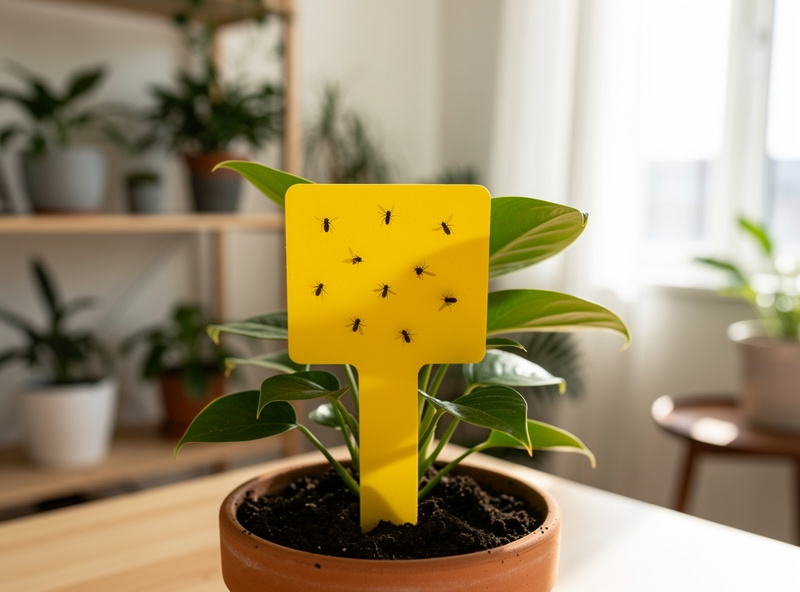
Yellow sticky traps are the most effective tool for catching adult fungus gnats. Adults are attracted to the yellow color and become stuck on the adhesive surface. Place traps horizontally on the soil surface of each infested plant, or vertically on stakes inserted into the soil. Replace traps every 2-3 weeks or when they become covered with gnats. Sticky traps serve two purposes: they reduce the breeding population and they provide a visual indicator of infestation severity and treatment progress.
Step 2: Treat Soil for Larvae
Larvae cause the actual plant damage and must be eliminated to break the life cycle. The most effective and safest larval treatment is BTI (Bacillus thuringiensis israelensis), a naturally occurring soil bacterium that produces proteins toxic to fungus gnat larvae but harmless to plants, pets, and humans. BTI is available as mosquito dunks/bits (soaked in water to make a drench) or as ready-to-use products like Gnatrol. Apply BTI drench to the soil every 7-10 days for 3-4 weeks to catch all larvae as they hatch.
Step 3: Modify Watering Habits
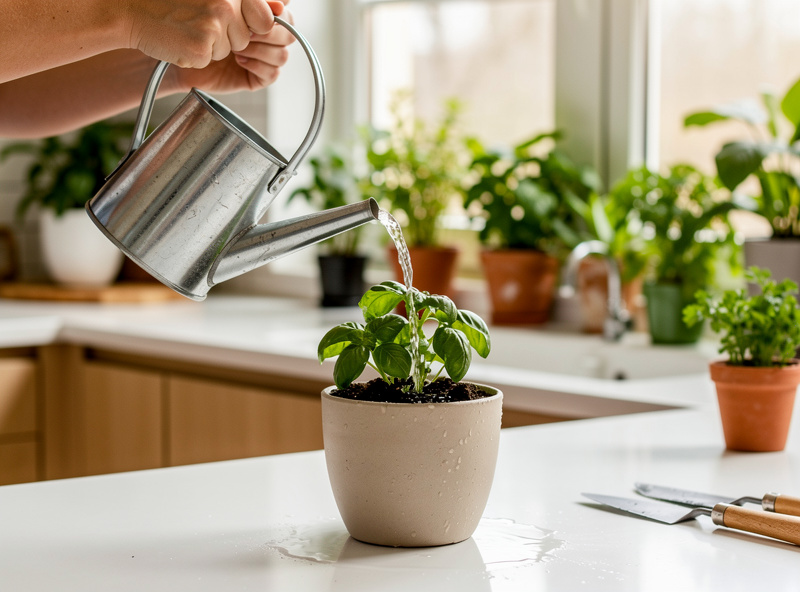
The most important long-term prevention step is allowing the top 1-2 inches of soil to dry between waterings. Fungus gnat eggs and larvae cannot survive in dry soil. For plants that require consistent moisture, use bottom watering (placing pots in a tray of water for 30 minutes) to keep the soil surface dry while the roots stay hydrated. This single change prevents most future infestations.
Step 4: Remove Organic Debris
Clear dead leaves, fallen plant matter, and decomposing organic material from the soil surface. This removes the food source that larvae depend on. A thin layer of sand or decorative gravel on top of the soil creates a physical barrier that prevents adults from laying eggs and larvae from emerging.
The complete elimination protocol — with exact timing, product amounts, and when to switch methods — is covered in the step-by-step fungus gnat elimination guide.
Natural Fungus Gnat Treatments
Many effective fungus gnat treatments use common household ingredients and natural products. These methods are safe for homes with children and pets, and they avoid the environmental impact of synthetic pesticides.
Hydrogen Peroxide Soil Drench
A 3% hydrogen peroxide solution mixed with water (1 part peroxide to 4 parts water) kills fungus gnat larvae on contact while oxygenating the soil. The solution fizzes when it contacts organic matter, which is normal. Water infested plants with this mixture, allowing it to soak through the entire root zone. The peroxide breaks down into water and oxygen within hours, leaving no residue. This treatment is effective for moderate infestations and provides immediate larval reduction. Repeat weekly for 3-4 weeks.
For detailed mixing ratios, application frequency, and safety precautions, see the hydrogen peroxide treatment guide.
Neem Oil Soil Drench
Neem oil contains azadirachtin, a natural compound that disrupts insect growth and feeding. When applied as a soil drench, neem oil kills fungus gnat larvae and repels adults from laying eggs. Mix 2 teaspoons of cold-pressed neem oil with 1 teaspoon of dish soap per gallon of warm water. Apply to the soil every 7-10 days. Neem oil also has antifungal properties that help prevent root rot, making it a dual-purpose treatment for gnat-infested plants.
Neem oil works as both a soil drench and a foliage spray — get the mixing ratios and application schedule in the neem oil treatment guide.
Cinnamon Soil Treatment
Cinnamon contains cinnamaldehyde, a natural antifungal compound that kills the fungi and algae that fungus gnat larvae feed on. Sprinkle ground cinnamon generously on the soil surface of infested plants. Reapply after watering. Cinnamon also has mild antibacterial properties that help prevent damping-off disease in seedlings. While cinnamon alone may not eliminate a heavy infestation, it is an excellent supplementary treatment and prevention method.
For detailed cinnamon application methods and effectiveness data, see the cinnamon treatment guide.
Sand Barrier Method
A 1/2-inch layer of coarse sand or fine gravel on top of the soil creates a physical barrier that prevents adult gnats from reaching the soil to lay eggs and stops emerging adults from escaping. The dry, abrasive surface is inhospitable to both stages. This method is particularly effective when combined with sticky traps and larval treatments. Use sand that is clean and free of organic matter — play sand or horticultural sand works well.
A 1/2-inch layer of horticultural sand on top of potting mix blocks adult gnats from reaching the soil to lay eggs — the sand barrier guide has the full application method.
DIY Fungus Gnat Traps
Homemade traps are an effective and inexpensive way to reduce adult fungus gnat populations. While commercial yellow sticky traps are the gold standard, several DIY alternatives work well in a pinch or as supplementary trapping methods.
Yellow Card Traps
Yellow index cards or cardstock coated with petroleum jelly, Tanglefoot, or a mixture of corn syrup and water make effective DIY sticky traps. Cut cards to 3×5 inches, coat both sides with adhesive, and place them on the soil surface or attach them to stakes. The yellow color attracts adult gnats, and the adhesive captures them. Replace when covered or when adhesive dries out.
Apple Cider Vinegar Traps
While apple cider vinegar is more effective for fruit flies, it can catch some fungus gnats as a supplementary trap. Fill a small jar with apple cider vinegar and a drop of dish soap. Cover with plastic wrap and poke small holes. Gnats enter through the holes but cannot escape. This trap is less effective for fungus gnats than yellow sticky traps but can help reduce adult populations when used alongside other methods.
Potato Slice Traps
Raw potato slices placed cut-side down on the soil surface attract fungus gnat larvae, which crawl onto the potato to feed. Check the potato after 24-48 hours and dispose of it (with larvae) in a sealed bag. This is primarily a monitoring tool rather than an elimination method, but it does reduce larval populations and provides a clear indicator of infestation severity.
Apple cider vinegar traps, wine traps, and sticky card placements all catch adult gnats at different rates — the DIY traps guide compares effectiveness so you build the right one first.
Understanding and Treating Fungus Gnat Larvae
Larvae are the destructive stage of the fungus gnat life cycle. While adult gnats are primarily a nuisance, larvae actively damage plant roots and can kill seedlings. Understanding larval behavior and biology is essential for effective treatment.
Larval Biology and Behavior
Fungus gnat larvae are legless, translucent worms with distinctive black heads. They grow to approximately 1/4 inch over their 10-14 day larval stage. Larvae feed primarily on fungi, algae, and decaying organic matter in the soil, but they also consume fine root hairs and tender root tips. A single plant can harbor hundreds of larvae in its pot. Larvae prefer the top 2-3 inches of soil where moisture and organic matter are most concentrated.
Root Damage Assessment
Larval feeding creates wounds on roots that serve as entry points for soil-borne pathogens like Pythium, Fusarium, and Rhizoctonia. These secondary infections often cause more damage than the larvae themselves. Signs of larval root damage include wilting despite moist soil, yellowing lower leaves, stunted new growth, and plants that fail to thrive despite adequate light and nutrients. In severe cases, plants collapse and die.
Targeted Larval Treatments
The most effective larval treatments are biological controls that target larvae specifically without harming beneficial soil organisms. BTI (Bacillus thuringiensis israelensis) is the gold standard — it produces crystal proteins that are toxic only to fungus gnat and mosquito larvae. Beneficial nematodes (Steinernema feltiae) are microscopic worms that parasitize and kill fungus gnat larvae in the soil. Both treatments are safe for plants, pets, and humans.
For detailed larval identification, damage assessment, and treatment protocols, see the fungus gnat larvae identification and elimination guide.
Preventing Future Fungus Gnat Infestations
Prevention is significantly easier than elimination. Once you have cleared an infestation, these practices will keep fungus gnats from returning.
Watering Best Practices
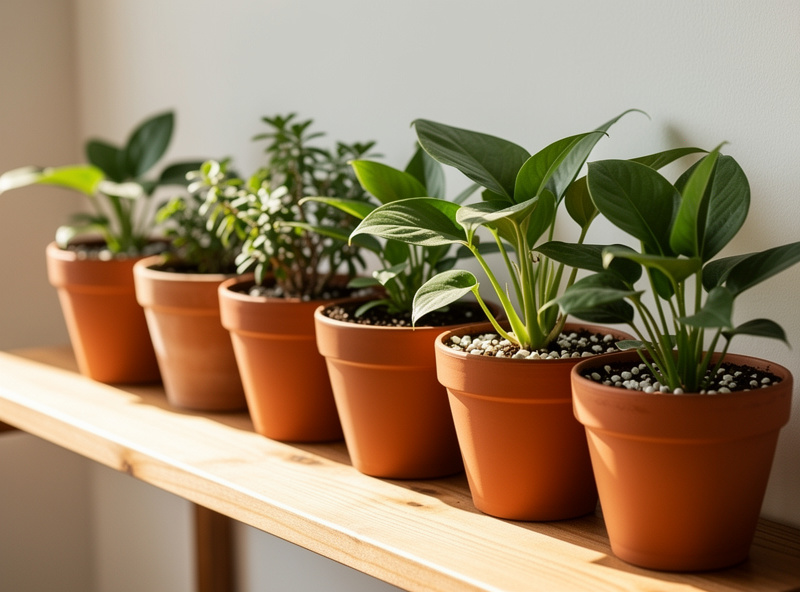
The single most effective prevention measure is proper watering. Allow the top 1-2 inches of soil to dry between waterings for most houseplants. Use a moisture meter or the finger test (insert finger 2 inches into soil — if it feels dry, water). Bottom watering keeps the soil surface dry while hydrating roots from below, making the surface inhospitable for egg-laying. For plants that require consistent moisture, add perlite or coarse sand to improve drainage and surface drying.
Soil and Potting Mix Selection
Use high-quality, well-draining potting mix for all houseplants. Avoid garden soil, which contains fungus gnat eggs and larvae. Sterilize reused pots with a 10% bleach solution before repotting. Add a layer of sand or decorative gravel on the soil surface as a physical barrier. Consider potting mixes that include beneficial fungi (mycorrhizae) which compete with the fungi that fungus gnat larvae feed on.
Quarantine New Plants
Always isolate new plants for 2-3 weeks before introducing them to your collection. Place a yellow sticky trap in the pot during quarantine to monitor for any hidden infestations. Many fungus gnat problems start when a newly purchased plant brings eggs or larvae into the home. Inspect the soil surface and check for tiny flying insects before bringing new plants near your existing collection.
Regular Monitoring
Keep a yellow sticky trap in each plant pot or at least one per room with houseplants. Check traps weekly and replace monthly. Early detection means a small problem that is easy to solve rather than a full-blown infestation. Monitor soil moisture regularly and adjust watering schedules seasonally — plants need less water in winter when light levels and temperatures are lower.
Are Fungus Gnats Harmful to Humans and Pets?
One of the most common concerns for people dealing with fungus gnat infestations is whether these insects pose any health risk. The short answer is no — fungus gnats are not harmful to humans or pets. They do not bite, sting, or transmit diseases. They do not contaminate food or damage household structures.
However, fungus gnats are a significant nuisance pest. Adults fly around living spaces, land on food and surfaces, and can be particularly annoying in kitchens and dining areas. People with allergies or asthma may experience mild respiratory irritation from the presence of large numbers of flying insects. The psychological stress of a persistent infestation is also a real concern for many homeowners.
For plants, the situation is different. Fungus gnat larvae cause real and measurable damage to root systems, and heavy infestations can kill plants. The secondary root rot infections that follow larval damage are often more destructive than the larvae themselves.
For detailed information about fungus gnat interactions with humans and pets, see my guide on whether fungus gnats bite.
Treatment Method Comparison
With so many treatment options available, choosing the right approach depends on your infestation severity, plant types, and household situation.
| Treatment | Targets | Effectiveness | Time to Results | Best For |
|---|---|---|---|---|
| BTI (Mosquito Dunks) | Larvae | Very high | 3-7 days | Most effective overall |
| Yellow Sticky Traps | Adults | Moderate (adults only) | 1-3 days | Monitoring + adult reduction |
| Hydrogen Peroxide | Larvae | High (on contact) | 1-2 days | Quick knockdown |
| Neem Oil Drench | Larvae + Adults | Moderate | 5-7 days | Multi-purpose treatment |
| Cinnamon | Larvae (indirect) | Low (supplementary) | 7-14 days | Supplementary treatment |
| Sand Barrier | Adults (prevention) | Moderate (prevention) | Immediate | Prevention + supplementary |
| Beneficial Nematodes | Larvae | Very high | 5-10 days | Severe infestations |
| Drying Soil | Eggs + Larvae | High | 7-14 days | Prevention + elimination |
Recommended protocol for most infestations: Combine yellow sticky traps (adults) + BTI drench (larvae) + allow soil to dry between waterings (prevention). This three-pronged approach clears the large majority of infestations within 2-3 weeks without any synthetic chemicals.
Which Plants and Setups Get Hit Hardest
After years of running everything from succulents to microgreen trays indoors, I can usually predict which pots will get gnats before the first adult appears. The pattern is consistent: the wetter and more organic the mix, and the longer it stays damp, the higher the risk. Moisture-loving foliage plants that want a constantly damp root zone — ferns, calatheas, peace lilies, and most tropical aroids — are the repeat offenders, because the care they need is exactly the condition larvae thrive in. Seed trays and microgreen flats are worse still, since they must stay moist through germination and are packed with the organic matter larvae feed on. At the other end, succulents, cacti, and anything I let dry hard between waterings almost never get them, because the surface inch stays dry long enough to break the egg-laying chain on its own.
Container and potting-mix choices matter just as much as the plant. A peaty, compost-heavy mix that holds water at the surface is a gnat magnet; a fast-draining blend with plenty of perlite and a gritty top layer is not. Deep pots that stay wet at depth, saucers left full of standing water, and self-watering planters run too wet all tilt the odds toward an infestation. If you keep getting gnats on the same plant despite treatment, the mix and the watering — not the treatment — are almost always the real problem.
A Realistic Week-by-Week Timeline
People give up on fungus gnat treatment because they expect it to work overnight, and it does not — the life cycle is the thing you are fighting, not the visible adults. Here is what a normal recovery actually looks like. In the first few days after starting sticky traps plus a BTI or peroxide drench, you will still see plenty of adults; the traps fill quickly and it can feel like nothing is working. That is normal, because you are catching the existing adults while eggs already in the soil keep hatching. Through the second week, if you are also letting the surface dry between waterings, adult numbers on the traps should visibly drop as fewer larvae survive to emerge.
By weeks three to four, a well-run treatment has broken the cycle: trap counts fall to a trickle, and the plants stop looking stressed. The single most common reason an infestation drags on past a month is stopping too early — the moment the adults thin out, people relax, and the last generation of larvae matures and lays again. I keep the traps in and the dry-down going for a good two weeks after I stop seeing adults, then leave one trap per pot permanently as an early-warning system. That patience is the difference between clearing gnats once and fighting them all winter.
Getting BTI for Home Use
Bacillus thuringiensis israelensis (BTI) is the gold standard for fungus gnat larvae, and it has never been easier to get for houseplant use. Mosquito dunks and bits — originally sold for standing water — work just as well as a soil drench, and dedicated BTI houseplant products like Gnatrol are now stocked by garden centers and online without any commercial license. The cheapest route I use: soak about a quarter of a mosquito dunk in a gallon of water overnight, strain it, then water plants with that BTI-charged water for three consecutive waterings. That delivers a steady dose to the soil where the larvae feed, and adult emergence usually drops off within a week.
Fungus Gnat Control Through a Nordic Winter
Fungus gnats on a Nordic windowsill in winter are a different problem than the summer infestation most guides describe. The dry air from radiators draws the gnats toward the one reliably moist thing in the flat — the potting soil — while low winter light slows plant growth so pots stay damp longer. From November through February, I put a yellow sticky trap at soil level in each pot for the adults, and I lean hard on letting the top inch dry between waterings to break the larvae’s habitat. Because the plants are barely growing, they tolerate that drier regime easily, and the combination clears an infestation faster than any spray or drench.
The life cycle never fully stops indoors, because the apartment holds around 20-22°C year-round — the gnats hovering at the soil in November are the same species running the same cycle as the ones in July. What changes is that the sealed winter flat has no outdoor plantscape to dilute them, so a small population is far more noticeable. That visibility is actually useful: it pushes me to catch and clear the problem while it is still two traps’ worth of gnats rather than a cloud.
Frequently Asked Questions
How long does it take to get rid of fungus gnats?
Most infestations resolve in 2-3 weeks with consistent treatment. The key is targeting both adults (sticky traps) and larvae (BTI drench) simultaneously. Continue treatment for at least 3 weeks to break the full life cycle.
Do fungus gnats bite humans or pets?
No. Fungus gnats do not bite, sting, or transmit diseases to humans or pets. They are a nuisance pest that feeds on fungi and plant roots. They are harmless to people and animals.
What is the best treatment for fungus gnats?
BTI (Bacillus thuringiensis israelensis) applied as a soil drench is the most effective treatment. Combine with yellow sticky traps for adults and allow soil to dry between waterings for complete elimination.
Can overwatering cause fungus gnats?
Yes. Consistently moist soil is the primary cause of fungus gnat infestations. Allowing the top 1-2 inches of soil to dry between waterings prevents most infestations and is the most important prevention step.
How do I know if I have fungus gnats or fruit flies?
Fungus gnats are dark, stay near potted plants, and fly in erratic patterns. Fruit flies are tan with red eyes, hover around fruit and kitchen waste, and fly more directly. The treatments are completely different.
Are fungus gnats harmful to my plants?
Yes. Larvae feed on plant roots, causing stunted growth, yellowing leaves, and in severe cases, plant death. Secondary root rot infections often follow larval damage, compounding the problem.
Related Fungus Gnat Guides
Explore my complete fungus gnat library for detailed instructions on every treatment and identification method:
- How to Get Rid of Fungus Gnats: Complete Elimination Guide
- Fungus Gnats in Houseplants: Identification, Damage, and Control
- Fungus Gnats vs Fruit Flies: Identification and Difference Guide
- Hydrogen Peroxide for Fungus Gnats: Treatment Guide
- DIY Fungus Gnat Traps: Homemade Solutions That Work
- Neem Oil for Fungus Gnats: Natural Treatment Guide
- Sand on Soil for Gnats: Barrier Method Guide
- Cinnamon for Fungus Gnats: Natural Fungicide Treatment
- Fungus Gnat Larvae in Soil: Identification and Elimination Guide
- Do Fungus Gnats Bite? Facts About Gnat Bites and Human Contact
Related Articles
Expand your houseplant care knowledge beyond pest control: