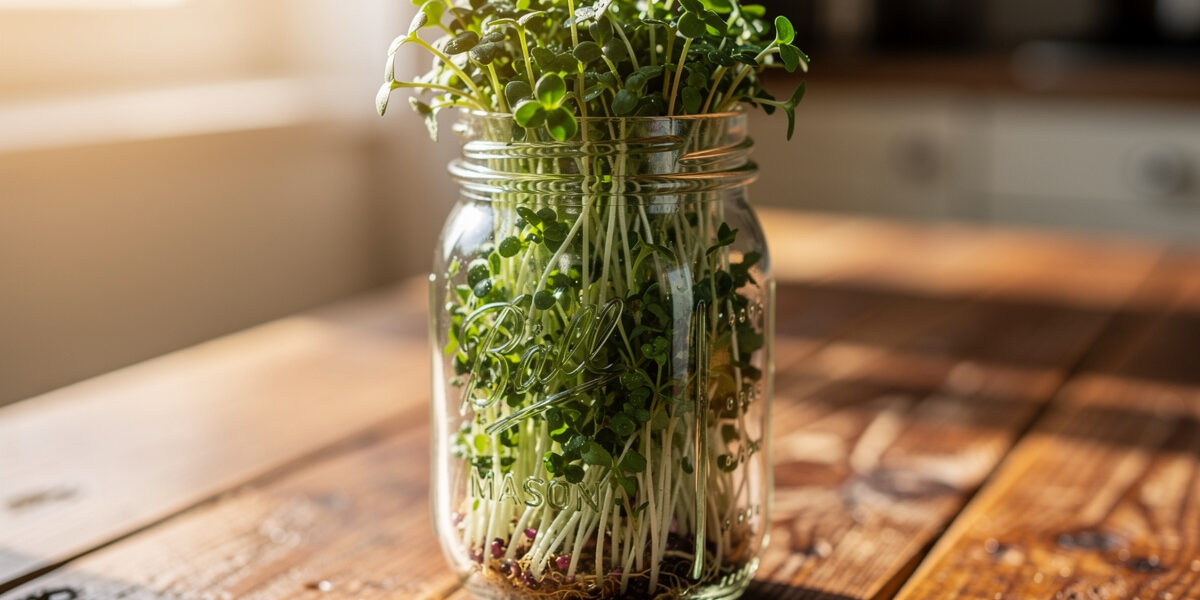
How to sprout sunflower seeds: Soak hulled sunflower seeds for 8 hours. Rinse and drain twice daily. Harvest in 2-3 days when the tail is short. For sunflower shoots (greens), you must plant unhulled black oil seeds in soil and harvest in 7-10 days.
For a complete overview of all sprouting methods and seeds, see our complete sprouting guide.
Sunflower seeds are unique in the sprouting world because they offer two completely different experiences depending on which seed you buy and how you grow it. You can grow the kernel (the inner seed) for a nutty, crunchy snack, or you can grow the shoot (the tall green microgreen) for a juicy, salad-base vegetable.
This guide will focus primarily on sprouting the kernel in a jar (the easiest method), but we will also cover the basics of growing shoots so you do not buy the wrong seed for your goals.
Kernel vs. Shoot: Know the Difference
Sunflower seeds offer two distinct sprouting methods that yield completely different culinary results. Sprouting hulled kernels in a jar produces crunchy, nutty sprouts ready in just 2 days with a 3x volume expansion, perfect for granola and snacking. Growing unhulled black oil seeds in soil creates substantial microgreen shoots harvested in 7-10 days at 8-10x volume expansion, delivering juicy, sweet greens ideal for salads and sandwiches.
- Sunflower Sprout (Kernel): Grown from the hulled seed (no shell). Eaten after 2 days. Crunchy, oily, nutty. Great for granola or snacking.
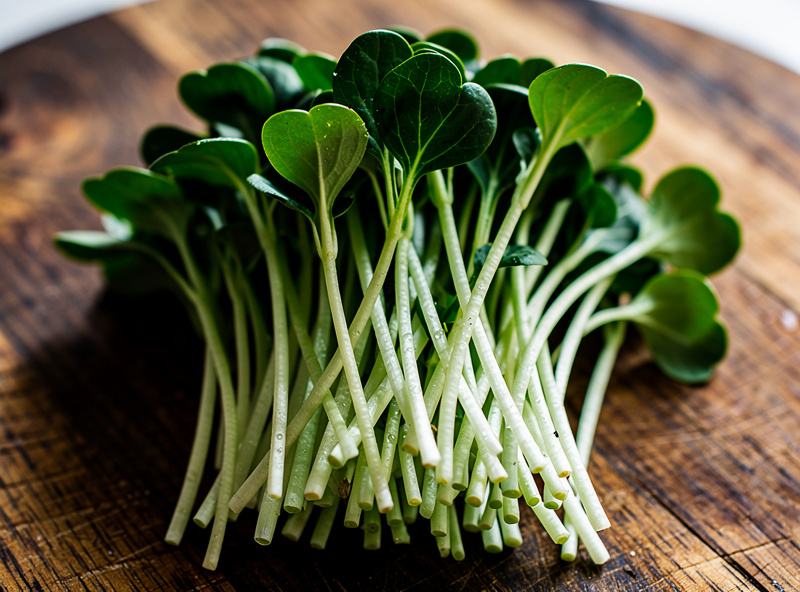
- Sunflower Shoot (Microgreen): Grown from the unhulled seed (black shell on). Grown in soil. Eaten after 10 days. Juicy, sweet, and substantial.
Why I Grow Sunflower Sprouts Over Every Other Nutty Sprout
Sunflower kernel sprouts fill a gap that no other sprout on my counter covers. Lentils are peppery, mung beans are neutral and juicy, alfalfa is grassy and mild — but sunflower sprouts taste like fresh seeds, warm and buttery with a richness that comes from the natural oils in the kernel. I keep a jar of sunflower sprouts running specifically for granola and for a raw pâté I make with lemon, garlic, and olive oil that disappears within an hour of the jar hitting the kitchen.
Through a Swedish winter, when fresh local greens are basically unavailable and every salad leaf has been shipped from somewhere far away, a jar of sunflower sprouts on the counter is the closest thing to “fresh nuts” the kitchen can produce in 48 hours. They take the place of toasted nuts or seeds in a way mung beans and lentils never manage — the oily richness reads as a finished ingredient, not a sprout. I run them side by side with the broccoli jar through the dark months because they scratch a completely different itch.
What makes sunflower sprouts different from every other sprout is that you are eating the enlarged seed itself, not a long stem or root. The harvest window is tiny — 1.5 to 2 days — and if you miss it by even 12 hours the flavor turns from nutty-sweet to bitter. I set a timer on my phone for the 36-hour mark now because I have lost too many jars pushing them to the third day hoping for longer tails. The sprouted sunflower seed at peak harvest tastes like the best raw sunflower seed you have ever eaten, but juicier and with a fresh snap that the dry seed never had.
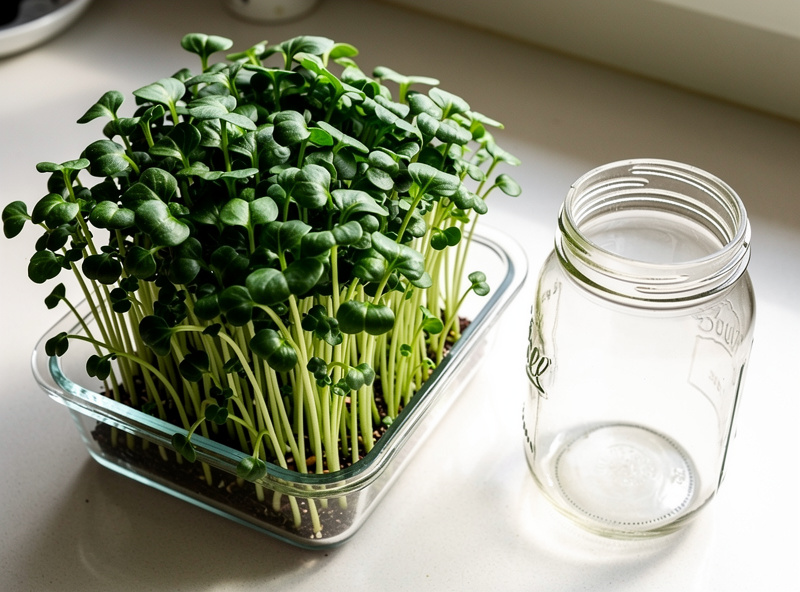
For the soil-grown shoots, the experience is entirely different — and worth the extra week and the bag of potting mix. Sunflower shoots are among the meatiest microgreens you can grow, with thick, juicy stems and broad green leaves that taste sweet and nutty. I grow them in a shallow tray of soil on the same shelf where my broccoli microgreens live, and a 10×10 tray produces enough shoots for a week of lunch salads.
Part 1: Sprouting Sunflower Kernels (The Jar Method)
As an Amazon Associate I earn from qualifying purchases.
The jar method for sunflower kernels delivers fresh, crunchy sprouts in just 1.5 to 2 days with minimal equipment requirements. Using raw hulled sunflower seeds (never roasted or salted), you simply soak for 6-8 hours, then rinse twice daily until the tail reaches 1/4 inch maximum—harvesting earlier than other sprouts to prevent the bitterness that develops as tails lengthen. A quart mason jar with a mesh sprouting lid produces approximately 3 cups of sprouts from 1 cup of dry seeds.
The Seed
You need raw, hulled sunflower seeds for sprouting.
I learned this one the first time: do not use roasted or salted seeds from the snack aisle. They are dead. Do not use birdseed (too much dirt and debris).
Step-by-Step
- Soak: Use 1 cup of seeds. Sunflower seeds are big and oily. Soak for 6-8 hours.
- Rinse: Drain and rinse well.
- Sprout: Rinse and drain twice a day.
- Harvest Early: This is critical. Sunflower seeds get bitter if you let the tail grow too long. You want to harvest them when the tail is just barely breaking the seed (about 1/4 inch max). This usually takes only 1.5 to 2 days.
Optimal Growing Conditions
Sunflower kernels sprout best at room temperature between 65-75°F (18-24°C). Avoid placing your sprouting jar in direct sunlight, as this can heat up the seeds and encourage bacterial growth. A kitchen counter away from windows works perfectly. Good air circulation is essential, so do not seal your jar tightly during the sprouting process.
Troubleshooting Kernels
- They turned black or purple.
- Sunflower seeds oxidize easily. This is not necessarily mold, but it is unsightly. To prevent this, add a teaspoon of citric acid or lemon juice to your soak water.
- They are mushy.
- You soaked them too long or did not drain them well enough. They are high in fat, so they rot faster than sprouting lentils — a lesson I learned dumping a jar that had sat too warm.
- The seeds smell rancid or off.
- High-fat seeds like sunflowers can go rancid quickly if not properly drained. Ensure you shake excess water from the jar and keep it tilted at a 45-degree angle for continuous drainage. If the smell persists, compost the batch and start fresh with better drainage.
- Very few seeds are sprouting.
- Your seeds may be too old or were improperly stored. Sunflower seeds for sprouting should be stored in a cool, dark place. Check the harvest date on your seed package and aim to use seeds within one year of purchase.
- The sprouts taste bitter.
- You let the tails grow too long. Sunflower sprouts become increasingly bitter as they develop. Harvest when tails are barely visible, no longer than 1/4 inch. Timing is everything with these seeds.
Storage That Keeps Sunflower Sprouts Fresh
Sunflower sprouts are higher in natural oil than any other sprout I grow, which means they go rancid faster if stored wet or warm. After the final rinse, spread them on a clean tea towel for at least 30 minutes — longer than I would for lentils or mung beans — until they feel dry to the touch with no slickness on the seed surface. Then they go into a container lined with a dry paper towel, sealed loosely rather than airtight, and into the coldest part of the refrigerator at 35-40°F.
Stored this way, sunflower kernel sprouts keep for 4-5 days at peak quality, and a fourth or fifth day if you accept a slightly softer crunch. The flavor shifts a little over that window, becoming more sunflower-seed-forward, but they do not go slimy the way alfalfa does. Remove any single sprout that turns soft or dark immediately — one bad seed will pull the rest of the jar with it.
Signs of spoilage: Discard the batch immediately if the sprouts smell sour or musty, turn slimy, develop dark discoloration beyond normal oxidation, or show visible mold growth. High-fat seeds also pick up a rancid, paint-thinner smell when they go off — that is a different signal from bacterial sourness and it means the same thing: throw them out.
Freezing: Sunflower kernel sprouts do not freeze well — the high fat content turns the texture waxy and unpleasant on thaw. Plan to eat them fresh, in small batches, which is how I run them anyway.
A Quick Word on Sprout Safety
Sunflower seeds for sprouting are an oilseed crop, and the same warm, wet conditions that germinate them also suit Salmonella and E. coli. The home-grower version of public-health guidance: source raw hulled seeds sold specifically for sprouting (not birdseed, not roasted snack seeds), rinse in clean cold running water at every step, drain thoroughly, refrigerate the finished sprouts, and discard any batch that smells off. People who are pregnant, elderly, very young, or immunocompromised should cook sprouts rather than eat them raw. The FDA Sprout Safety Alliance publishes the full industry-side guidance, and our own sprouting safety tips page has the short version for home growers.
Part 2: Growing Sunflower Shoots (The Soil Method)
The soil method produces substantial microgreen shoots reaching 6-8 inches tall in 7-10 days, delivering the juicy, sweet greens featured in premium salads. Using unhulled black oil sunflower seeds planted 1/4 inch deep in organic potting soil, you create a dense mat of stems and cotyledons that yields 8-10x the dry seed volume. Harvest when the first smooth leaves (cotyledons) fully open but before true leaves develop, as later harvests turn bitter and fibrous.
The Seed
You need Black Oil Sunflower Seeds. These are small black seeds with the shell on. They are often sold cheap as bird seed, but for human consumption, buy organic sprouting grade to avoid pesticides.
The Process
- Soak the black seeds for 8-12 hours.
- Spread them on a tray of soil (about 1 inch deep).
- Cover them with another tray and weigh it down (approximately 5-10 lbs).
- Leave them weighted for 3-4 days. This forces the roots down.
- Uncover and expose to light.
- Harvest when the first true leaves appear (Day 8-10).
Shoot Growing Tips
Mist your sunflower shoots daily rather than watering heavily from above. Excess water on the leaves encourages mold growth. Bottom watering works best once roots are established. Place your tray in bright, indirect light rather than harsh direct sun, which can wilt tender shoots.
Recipe: Sprouted Sunflower Pate
A delicious vegan alternative to tuna salad.
- 2 cups sprouted sunflower kernels (1-day tails)
- 1 stalk celery, chopped
- 2 tbsp lemon juice
- 1 clove garlic
- 1 tbsp fresh dill
- Salt and pepper to taste
Instructions: Pulse everything in a food processor until it has a coarse, pate-like texture. Serve on crackers or in a lettuce wrap.
Additional Recipe Ideas
Beyond the classic pate, sunflower sprouts shine in many dishes:
- Breakfast bowls: Sprinkle over oatmeal or yogurt for crunch and a warm, nutty note.
- Smoothies: Blend a handful into green smoothies for body and a creamy texture without altering the flavor much.
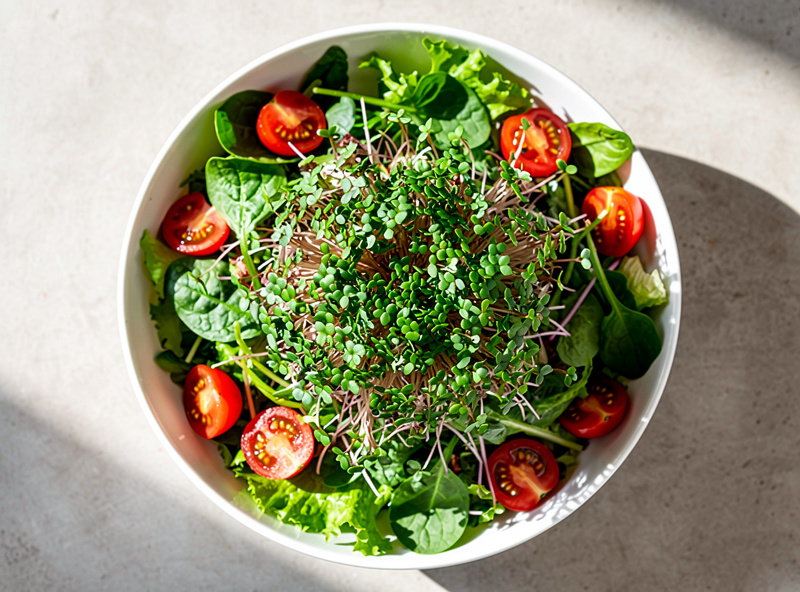
- Salad toppers: Use instead of nuts when you want to avoid tree nuts — same rich, oily crunch.
- Homemade granola: Mix sprouted kernels with oats, honey, and dried fruit before baking.
Why Sunflower Sprouts Taste Different From Every Other Sprout
Sunflower kernel sprouts are unique among countertop sprouts because the seed itself is the harvest — not a thin stem like alfalfa or a bean like chickpeas. The sprouted kernel tastes rich, nutty, and slightly oily, with a crunch somewhere between a raw sunflower seed and a fresh pine nut. I eat them by the handful standing over the drying towel, which I cannot say about any other sprout I grow.
The flavor comes from the high natural oil content of the seed. Where lentil sprouts taste green and peppery, sunflower sprouts taste buttery and warm. They work in granola, on oatmeal, tossed into grain salads, or blended into a raw pâté with lemon and garlic — the recipe below is the one I make every time a jar comes ready.
For sunflower shoots (the tall green microgreens grown in soil from unhulled black oil seeds), the flavor shifts again — juicy, sweet, and substantial enough to build a salad around. The two methods use different seeds entirely, so buy the right one: hulled raw kernels for jar sprouts, unhulled black oil seeds for soil-grown shoots.