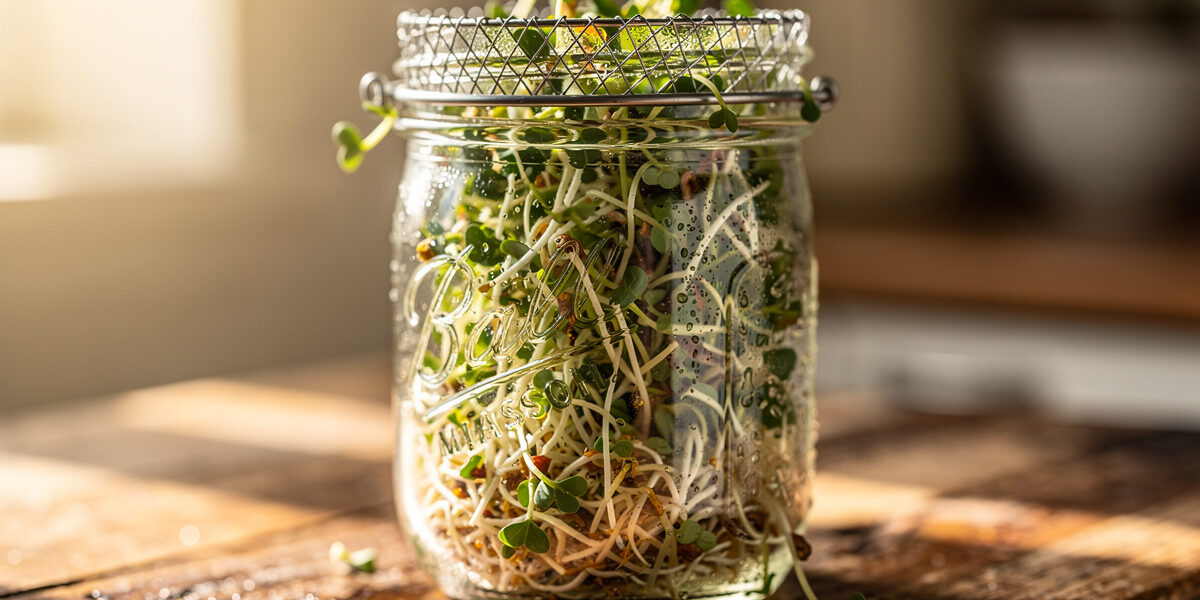
How to sprout fenugreek: Soak seeds for 8-12 hours. Drain and rinse twice daily. They are ready in 3-5 days. The taste transforms from bitter to sweet and nutty as they sprout, often described as smelling like maple syrup. The flavor transformation is the most dramatic of any sprout I grow — the raw seed is inedible, rock-hard, and bitter; the sprouted version is nutty, sweet, and aromatic, with the distinct maple-syrup scent that makes fenugreek famous.
For a complete overview of all sprouting methods and seeds, see our complete sprouting guide.
Fenugreek (Methi) is an ancient spice used in Indian and Middle Eastern cooking. If you have ever opened a jar of curry powder and smelled a sweet, maple-like aroma, that is fenugreek. While the raw brown seeds are rock-hard and intensely bitter, sprouting them performs a culinary miracle: it softens the seed and mellows the flavor into a complex, nutty profile.
For the urban gardener, fenugreek is a hidden gem. It is rarely found fresh in supermarkets, making it a perfect candidate for your home mason jar method. Growing your own fenugreek sprouts gives you access to this uniquely aromatic sprout at a fraction of what you would pay for a tiny clamshell of fresh fenugreek — if you could even find one.
Flavor and Aroma: What Makes Fenugreek Unique
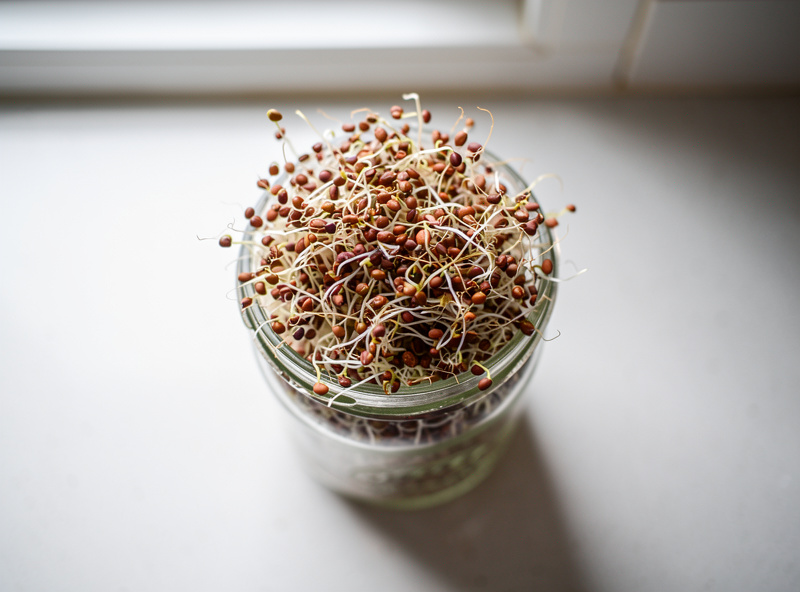
I do not grow fenugreek for bulk — I grow it for flavor. The transformation from raw seed to sprouted seed is unlike anything else on my counter. Raw fenugreek seeds are hard as gravel and so bitter they pucker your mouth. After a 12-hour soak and 3 days of rinsing, the same seeds are tender, sweet-nutty, and release that unmistakable maple-syrup scent that fills the kitchen.
The aroma comes from sotolon, a naturally occurring compound in fenugreek that intensifies during sprouting. By day 2, the jar smells like someone is baking with maple extract. Some people love it, some find it overpowering — I am in the first camp, but I keep the jar away from the coffee station because the scents fight.
It is worth knowing that fenugreek has a long culinary history as a spice and a cooked green (methi saag) across Indian, Iranian, Ethiopian, and Turkish cooking. The sprouted seed is a relatively modern kitchen use for an ancient ingredient — most traditional recipes use the dried seed in spice blends or the fresh greens in curries. Sprouting lands somewhere between the two: the warmth and sweetness of the cooked green, but with the crunch and freshness of a raw sprout. I use it as a garnish on dal and as an aromatic accent in winter salads when other fresh greens are tired.
Flavor Progression: Day 1 sprouts are still bitter — wait. Day 2 develops sweetness and the maple note emerges. Day 3-4 is the sweet spot, where bitterness is gone and the sprout tastes warm, nutty, and aromatic. Day 5+ the green leaves develop and a grassy bitterness returns, so I harvest between days 3-5 every time.
Texture: Fenugreek sprouts are small and delicate — closer to alfalfa in size than to lentils. The crunch is light, the mouthfeel is slightly mucilaginous (similar to chia gel but much milder), and they dissolve into whatever you put them on rather than dominating it.
Equipment Needed
As an Amazon Associate I earn from qualifying purchases.Fenugreek sprouting requires minimal equipment suitable for small-scale home production. A standard quart-size wide-mouth Mason jar with medium-mesh stainless steel mesh lid provides optimal drainage for the angular, medium-sized seeds. You will need 2-3 tablespoons of organic fenugreek seeds for sprouting per batch (about 40-50g), a bowl or jar stand for 45-degree angle drainage, and access to cool water for twice-daily rinsing. Total startup cost is under $20 for the jar, lid, and initial seed supply.
The one detail worth getting right is the mesh size. Fenugreek seeds are small enough to slip through coarse sprouting lids but large enough that fine-mesh alfalfa lids feel slow to drain — the medium mesh is the sweet spot. Cheesecloth secured with a rubber band works in a pinch if you do not want to buy a lid yet, and that is how I started before I committed to a dedicated fenugreek jar.
- Wide-mouth Mason jar (quart size)
- Sprouting lid or cheesecloth with rubber band
- Bowl or jar stand for draining at an angle
- 2-3 tablespoons of organic fenugreek seeds
Step-by-Step Instructions
Sprouting fenugreek follows a 3-5 day cycle requiring minimal daily attention. The process begins with an 8-12 hour initial soak to soften the hard seed coat, followed by twice-daily rinsing and draining until sprouts reach 1-2 inches with small leaves. Key success factors: discard the bitter yellow-brown soak water, keep the temperature between 65-75°F, and drain thoroughly — fenugreek produces mucilage that can trap moisture and lead to spoilage.
Step 1: The Soak
Use 2-3 tablespoons of seeds. Soak them in cool water for 8-12 hours (overnight works well).
Note: The soak water will turn a murky yellow or brown. This is normal. It is the bitterness leaching out. Discard this water and do not use it for plants.
Step 2: The Maple Smell
As soon as you start rinsing them (Day 1-2), your kitchen will start to smell faintly of maple syrup or curry. Do not panic—nothing is wrong. This is the natural essential oil called Sotolon being released. Many people find this smell pleasant and comforting.
Step 3: Rinsing
Rinse and drain twice a day, morning and evening. Fenugreek sprouts are robust. They rarely rot unless you leave them sitting in water. Ensure good drainage by keeping the jar inverted at a 45-degree angle.
Step 4: The Harvest Window
You have a choice here depending on your taste preference:
- Day 2-3 (Short Sprout): The sprout is the same length as the seed. Flavor is mildest and sweetest. Best for raw salads and garnishes.
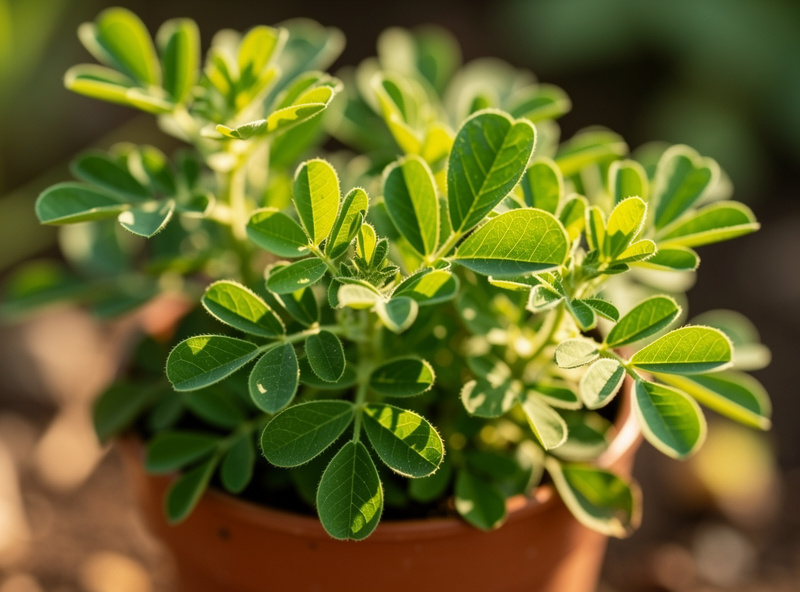
- Day 4-6 (Long Sprout): Leaves start to form. The flavor gets stronger and slightly more bitter again. Best for cooked dishes where the bitterness mellows.
Storage and Shelf Life
Fresh fenugreek sprouts maintain optimal quality for 3-5 days in refrigeration, shorter than legume sprouts due to their mucilage content that retains moisture. Store in an airtight container lined with paper towel to absorb excess humidity, changing the towel daily for best results. The sprouts do not freeze well—texture degrades significantly upon thawing—making small-batch production (2-3 tablespoons dry seeds) the recommended approach for continuous fresh supply.
- Refrigerator: Store in a container lined with paper towel to absorb moisture. Keeps 5-7 days.
- Best practice: Rinse sprouts every 2-3 days even in the fridge to keep them fresh.
- Freezing: Not recommended—fenugreek sprouts become mushy when thawed.
- Dehydrating: Dry at 115°F for 8-10 hours for a shelf-stable product. Store in airtight jars for months.
Harvesting at the Right Moment
Timing the harvest is everything with fenugreek. Pull too early (day 1-2) and the bitterness from the raw seed coat is still present. Pull too late (day 6+) and the developing leaves bring a new grassy bitterness. I harvest between days 3 and 5, when the sprouts are 1-2 inches long, the maple aroma is strongest, and the taste is sweet-nutty with zero bitterness. Taste a sprout every morning starting day 3 — when the bitterness is gone, the jar is ready.
Culinary Uses
Fenugreek sprouts are versatile but distinct. Their strong flavor means a little goes a long way.
- Methi Curry: Add a handful of sprouts to potato curries (Aloo Methi) in the last 2 minutes of cooking.
- Salad Accent: They are strong. Use them like a spice or a garnish rather than the main base of a salad.
- Breakfast Scramble: Add to eggs or tofu scrambles for a savory, aromatic twist.
- Spice Powder: Dehydrate the sprouts and grind them. This creates a malted fenugreek powder that is sweeter than the raw spice and dissolves easily into rubs and marinades.
- Smoothies: Blend a small amount into fruit smoothies for a warm, maple-like back note — it pairs surprisingly well with banana and oat milk.
- Sprouted-Methi Chutney: Blend with coriander, green chili, lemon, and salt for a fresh, aromatic chutney that beats anything jarred.
Troubleshooting Common Problems
Fenugreek is one of the most forgiving sprouts I run — it rarely rots and germinates at near 100%. The failures I have seen come down to two things: harvesting too late (bitter) or getting the batch too hot (sour). Here is what fixes each.
They are too bitter
You might be sensitive to fenugreek, or you are harvesting too late. Try harvesting them earlier (Day 2). The longer they grow green leaves, the more bitter they become. Soaking for a full 12 hours also helps reduce bitterness.
They are clumping together
Fenugreek does not clump as badly as broccoli sprouts, but shaking the jar after draining helps keep them loose. Ensure you are draining at an angle so water does not pool at the bottom.
Seeds are not sprouting
Your seeds may be too old or have been heat-treated. Buy fresh, organic seeds specifically labeled for sprouting. Store seeds in a cool, dark place to maintain viability.
Sprouts smell off or sour
This indicates bacterial growth from inadequate rinsing or poor drainage. Discard the batch and start fresh with better drainage technique.
A Quick Word on Sprout Safety
Fenugreek sprouts follow the same hygiene rules as every other raw sprout. The warm, wet conditions inside the jar suit Salmonella and E. coli just as much as they suit the seed. Source seed sold specifically for sprouting (not culinary spice seed, which is grown and handled to a different standard), rinse in clean cold running water at every step, drain thoroughly, refrigerate the finished sprouts, and discard any batch that smells off. People who are pregnant, elderly, very young, or immunocompromised should cook sprouts rather than eat them raw. The FDA Sprout Safety Alliance publishes the full industry-side guidance, and our own sprouting safety tips page has the short version for home growers.
What does fenugreek taste like when sprouted?
Sprouted fenugreek has a distinctive maple-curry flavor — slightly bitter with sweet undertones. The taste is milder and sweeter than the dried seed and works well in Indian dishes, salads, and sandwiches.
How long do fenugreek seeds take to sprout?
Fenugreek sprouts in 3-5 days. After an 8-12 hour soak, you will see tails within 24-48 hours. Harvest when sprouts are 1-2 inches long for the best balance of sweetness and maple aroma.
Can I grow fenugreek sprouts in a jar?
Yes, mason jar sprouting works perfectly for fenugreek. Use 2-3 tablespoons of seeds per quart jar, rinse twice daily, and drain well. The seeds produce a slippery mucilage when wet, so thorough drainage is what prevents mold.
What equipment do I need for fenugreek sprouts?
A quart-size wide-mouth mason jar, a medium-mesh sprouting lid, and a bowl for angled drainage. Fenugreek seeds cost about $5-8 per pound and yield dozens of batches. Total starting cost under $20.
Why do my fenugreek sprouts smell sour?
Sour smells indicate bacterial growth from standing water or warm temperatures. Fenugreek produces mucilage that can trap moisture. Always drain completely after rinsing, keep at room temperature below 75 degrees F, and rinse twice daily. If the smell persists, discard the batch.
How do fenugreek sprouts get their maple syrup smell?
Fenugreek contains a natural compound called sotolon that releases during sprouting. The same compound gives maple syrup and caramelized sugar their characteristic aroma. The scent intensifies around day 2 and fills the kitchen by day 3 — completely normal and a good sign the sprouts are developing properly.
Is sprouting fenugreek safe?
Follow the same hygiene rules as any raw sprout: source seed sold for sprouting, rinse in clean cold running water at every step, drain thoroughly, refrigerate the finished sprouts, and discard any batch that smells off. People who are pregnant, elderly, very young, or immunocompromised should cook sprouts rather than eat them raw.