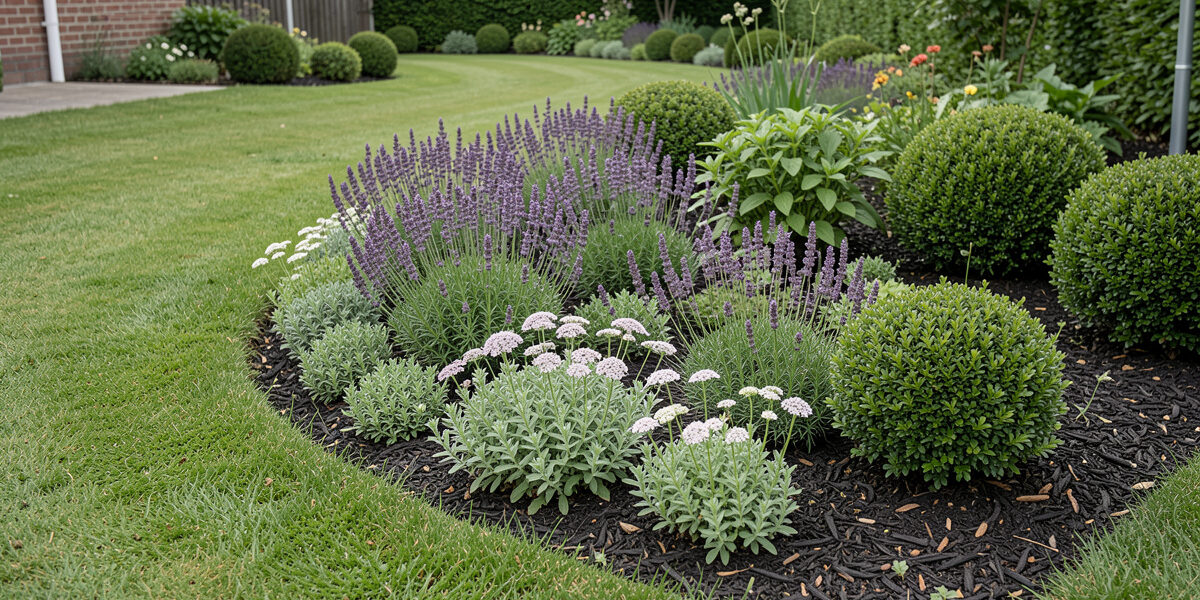
The best small border plants for easy landscaping include hostas, heucheras, sedums, and ornamental grasses — low-growing plants that define garden edges while requiring minimal maintenance. These compact ground covers create polished borders without overwhelming small spaces.
The best small border plants combine compact mature sizes (under 18 inches), extended bloom periods spanning at least 8 weeks, and low maintenance requirements suited to small-space landscaping. My own growing experience is primarily container and balcony focused, but the plant selection principles for small borders draw on the same compact cultivar strategy that works in containers — choose plants that stay small naturally rather than ones you need to prune constantly. These perennials and groundcovers are the reliable performers.
For a complete overview of all small garden trees, shrubs, and container planting methods, see the complete small garden trees and shrubs guide.
Border plants frame your garden beds and pathways, creating visual definition and preventing soil erosion. Choosing the right low-growing plants ensures your borders look tidy year-round without constant pruning or staking. Well-planned borders transform ordinary gardens into professionally designed spaces.
Why Border Plants Matter
Border plants serve functional and aesthetic purposes. They create clean transitions between lawn and garden beds. Their root systems stabilize soil at bed edges where erosion often occurs. Low growth maintains sight lines across the garden while defining spaces.
Maintenance reduction is a major benefit. Proper border plantings eliminate constant edging and trimming. Ground-hugging plants naturally suppress weeds that invade from lawn areas — University of Maryland Extension notes that a dense groundcover mat shades the soil and blocks the light weed seeds need to establish. This saves hours of maintenance compared to bare soil edges.
Seasonal interest extends throughout the year. Evergreen borders maintain structure in winter. Spring bulbs emerging through border plantings create delightful combinations. Summer flowers and autumn foliage provide continuous color progression.
Wildlife benefits: Many border plants support pollinators and beneficial insects. Sedums attract butterflies. Hardy geraniums feed bees. Even small border strips contribute to garden biodiversity when thoughtfully planted.
Top Small Border Plants
Hostas
Classic shade border plants with lush foliage in blue, green, gold, and variegated patterns. Heights range from 6 inches to 2 feet. Tough, reliable, and return bigger each year. Thousands of varieties available. Blue varieties like Halcyon offer slug resistance. Gold forms like Sum and Substance brighten dark corners.
Heucheras (Coral Bells)
Foliage stars with colors ranging from lime green to deep purple and bronze. Small flower spikes add height in summer. Excellent for edging sunny or partially shaded borders. Obsidian offers true black foliage; Caramel provides warm orange tones. Evergreen in mild climates.
Sedums (Stonecrop)
Succulent ground covers with star-shaped flowers in pink, yellow, or white. Drought tolerant and thrives in poor soil. Spreads gradually to fill gaps. Autumn Joy provides pink blooms turning coppery-russet. Angelina offers golden foliage year-round. Tolerates heat and neglect.
Liriope (Lilyturf)
Grass-like evergreen foliage with purple flower spikes in late summer. Tolerates sun or shade, wet or dry conditions. Creates neat formal edging. Big Blue offers standard size; Variegata provides striped foliage interest. Clumping habit prevents aggressive spread.
Dwarf Ornamental Grasses
Blue fescue, Japanese forest grass, and dwarf fountain grass reach 6-18 inches. Provide texture, movement, and seasonal interest without overwhelming borders. Elijah Blue fescue offers striking blue color; Aureola Japanese forest grass provides gold-striped arching foliage.
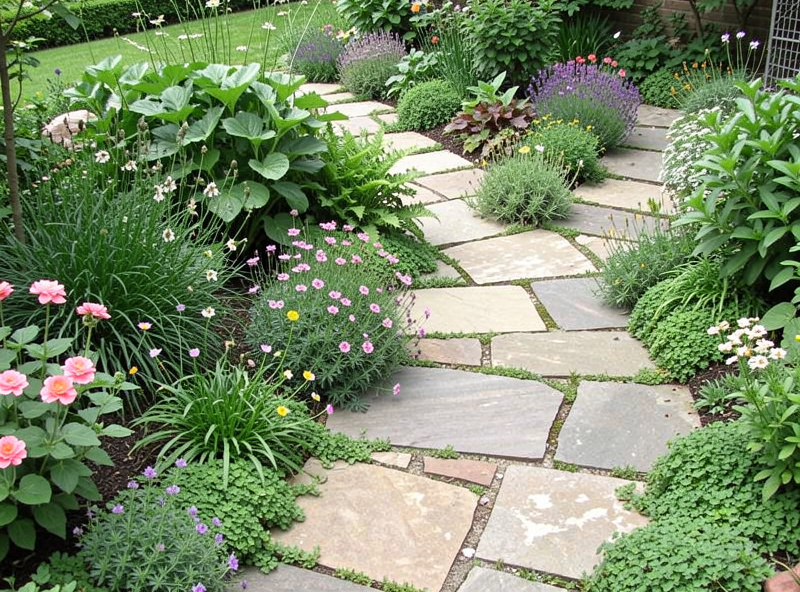
Additional Border Plant Options
Ajuga (Bugleweed)
Ground-hugging spreader with blue flower spikes in spring. Bronze, purple, or variegated foliage. Ideal for difficult shady areas where other plants struggle. Chocolate Chip stays compact; Burgundy Glow offers tricolor foliage. Tolerates foot traffic.
Hardy Geraniums (Cranesbill)
Not the annual pelargoniums, but true perennials with lavender, pink, or white flowers. Neat mounding habit perfect for informal borders. Blooms for months. Rozanne offers continuous flowers; Johnsons Blue provides classic charm. Cut back after first bloom for reblooming.
Dianthus (Pinks)
Fragrant flowers in pink, white, or red on 6-12 inch plants. Blue-green foliage stays attractive year-round. Tolerates heat and some drought. Cottage pinks offer traditional charm; Firewitch provides vivid magenta blooms. Shear lightly after flowering.
Thyme
Creeping varieties create fragrant, walkable borders. Tiny flowers attract bees. Handles foot traffic and poor soil. Perfect for path edges. Woolly thyme offers fuzzy texture; Red Creeping provides rose-pink flowers. Tolerates moderate walking.
Epimedium (Barrenwort)
Heart-shaped leaves with delicate flowers in spring. Excellent for dry shade under trees. Slow-growing but persistent. Red, white, yellow, and purple flower forms available. Evergreen in mild climates. Handles root competition from trees.
Carex (Sedge)
Grass-like foliage in green, gold, or bronze. Evergreen in most climates. Handles shade and moist conditions where other plants struggle. Evergold provides bright striping; Brunnea offers blue-green color. Low maintenance once established.
Plant-by-Plant: Size, Spacing, and Bloom Windows
When I plan any planting — border strip or planter box — I put the candidates side by side on paper first, because the mistakes that cost a season are almost always spacing and timing mistakes, not plant-choice mistakes. The figures below are typical ranges for common compact cultivars; individual varieties vary, so the plant tag wins where it disagrees.
| Plant | Typical height | Spacing | Main interest window | Light |
|---|---|---|---|---|
| Hosta (small types) | 6-18 in | 12-24 in | Foliage all season; blooms mid-late summer | Shade to part shade |
| Heuchera | 8-12 in foliage | 12 in | Foliage all season; flower spikes early summer | Part shade |
| Sedum (border types) | 4-18 in | 12-18 in | Late summer into autumn | Full sun |
| Liriope | 10-15 in | 12 in | Late-summer flower spikes; evergreen foliage | Sun or shade |
| Blue fescue | 6-10 in | 8-10 in | Foliage all season | Full sun |
| Ajuga | 4-6 in | 8-12 in | Spring flower spikes; foliage after | Shade to part sun |
| Hardy geranium (Rozanne type) | 12-20 in | 18 in | Early summer to frost | Sun to part shade |
| Dianthus | 6-12 in | 8-12 in | Early to midsummer | Full sun |
| Creeping thyme | 2-3 in | 8-12 in | Early-midsummer bloom; fragrant mat all season | Full sun |
| Epimedium | 8-12 in | 12 in | Early spring flowers; foliage after | Shade, incl. dry shade |
| Carex | 8-16 in | 12 in | Foliage year-round in mild areas | Part shade |
Two patterns worth noticing in that table. First, the true front-edge plants — thyme, ajuga, blue fescue — are also the tightest spacers, so a three-metre edge takes more plants than people budget for. Second, the bloom windows barely overlap, which is the whole trick of a border that never looks finished-for-the-year: epimedium and ajuga open the season, dianthus and thyme carry early summer, geraniums bridge everything, and sedum closes it out in October.
The Bulb Layer: Color Before the Perennials Wake
The cheapest month of border interest you will ever buy is the one before your perennials break dormancy — and it is planted in autumn. Small early bulbs like snowdrops, crocus, scilla, and grape hyacinth are made for exactly the gaps a perennial border offers: Iowa State Extension’s minor bulbs guide covers these under-six-inch early bloomers that tuck between clumps and under shrubs where nothing else is happening in March. Because they bloom and retreat before hostas and geraniums leaf out, they occupy no summer space at all — the border effectively runs two shifts on the same ground.
The technique is simple: plant in autumn while soil is still workable — University of Vermont Extension notes fall-planted bulbs need those weeks before the ground freezes to grow roots — in clusters between the perennial crowns rather than on top of them. In a cold climate the early bulbs are also the most emotionally valuable plants in the garden — crocus flowering through the last crusts of snow does more for a northern gardener’s morale in March than anything July produces. In my planter boxes I push a layer of crocus and scilla into the gaps around the sedum and thyme every October; they take the space the groundcovers have not claimed yet each spring and are gone before it matters.
A Border Maintenance Calendar
Low-maintenance never means no-maintenance, but a border of the plants above compresses the work into a few short, predictable sessions a year. Here is the rhythm that keeps one looking deliberate rather than abandoned.
Early spring: the one real work session. Cut back last year’s dead foliage and standing seed heads before new growth emerges, cut ornamental grasses down to a few centimetres, and refresh the mulch. Do it early — cutting back after the new shoots are up turns a ten-minute job into fiddly surgery.
Late spring: edge the bed once, cleanly, and spot-weed while invaders are still small. This is also the moment to note gaps and drop in replacements while plants are cheap and establishment weather is kind.
Midsummer: shear hardy geraniums and dianthus lightly after their first flush for fresh foliage and rebloom; deadhead anything that self-seeds more enthusiastically than you want.
Autumn: plant bulbs, then mostly stop. Leave seed heads and grasses standing — they feed birds, catch frost beautifully, and protect the crowns. Division waits for the years that need it: Iowa State’s hosta guidance puts spring division at intervals of five years or more for healthy clumps, and most of the other plants here are similarly patient. A border like this asks for a weekend in spring, an hour a month after that, and honesty about the fact that the plants are doing most of the work.
Designing Effective Borders
Layer heights: Place taller plants (18-24 inches) at the back of borders, medium plants (12-18 inches) in the middle, and ground-hugging plants (under 12 inches) at the front edge. This creates graduated sight lines across plantings.
Consider spread: Allow room for plants to reach mature size. Overcrowded borders require constant division and maintenance. Check mature width before planting. Most border plants spread 12-24 inches.
Seasonal interest: Combine plants with different peak seasons. Spring bulbs, summer perennials, autumn grasses, and evergreen structure ensure year-round appeal. Plan for at least three seasons of interest.
Color coordination: Choose a limited color palette for cohesive look. Blue, purple, and silver create cool, calming borders. Warm colors (red, orange, yellow) energize spaces. Variegated foliage bridges different color schemes.
Texture combinations: Mix fine-textured plants with bold leaves. Sedum provides chunky texture against delicate hardy geraniums. Grasses add linear contrast to mounded hostas.
Implementation Guide
Bed preparation: Remove existing grass and weeds. Dig to 8-inch depth, incorporating compost. Smooth surface before planting. This foundation work determines long-term success.
Spacing: Plant at 75% of mature spread for quick fill. For 18-inch spread plants, space 12-14 inches apart. Closer spacing fills faster but requires division sooner. Space further apart for slower fill but longer intervals between maintenance.
Planting technique: Dig holes twice root ball width. Plant at same depth as container. Water thoroughly after planting. Apply mulch immediately to conserve moisture and suppress weeds.
Initial care: Water regularly first season until established. Even drought-tolerant plants need consistent moisture while rooting. Weed diligently until plants fill in and shade soil.
Maintenance Made Easy
Mulching: Apply 2-inch layer of bark or compost mulch. This suppresses weeds, retains moisture, and gives borders a finished appearance. Refresh annually in spring.
Edging: Install metal, brick, or stone edging to keep grass out of borders and maintain clean lines. This single step dramatically reduces maintenance. Edging prevents lawn grass invasion into plantings.
Deadheading: Remove spent flowers to encourage reblooming and prevent self-seeding. Many plants like hardy geraniums benefit from mid-season shearing. Cut back to basal foliage for fresh growth.
Division: Divide clumping plants every 3-4 years to maintain vigor. Hostas, heucheras, and sedums benefit from occasional division. Replant divisions or share with gardening friends.
Seasonal cleanup: Remove dead foliage in spring before new growth emerges. Leave seed heads standing through winter for wildlife and visual interest. Cut back ornamental grasses in early spring.
Further Reading
See complete planting schemes for border designs.
Learn about sun-loving flowers for border accents.
Find border shrubs for structure and height.
Get gardening fundamentals for border success.
For the complete framework covering container sizing, soil mixing, watering systems, and seasonal planning, see the balcony gardening complete guide.
Small Borders on a Cold-Climate Balcony
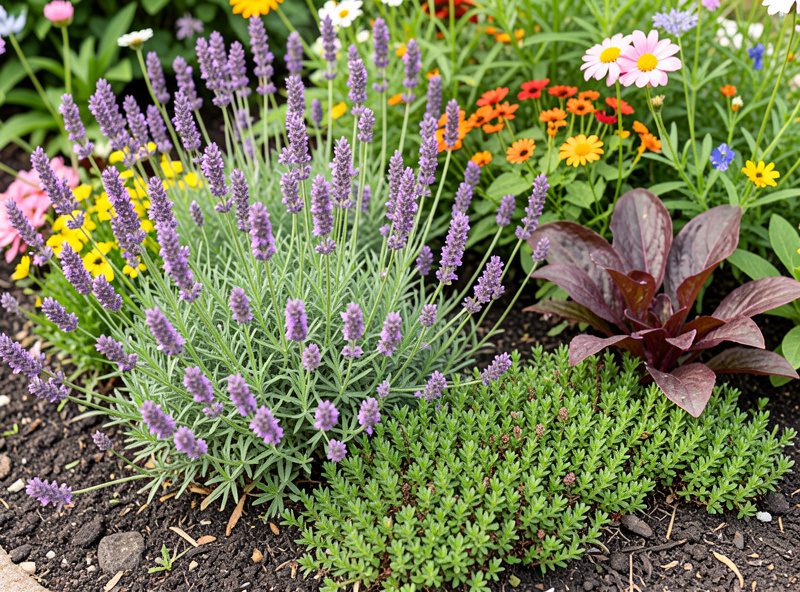
My own growing is mostly in containers, so the version of this that matters to me is a border in a planter box on a balcony. There the plants have to survive two extremes at once: the deep cold of January and February with the roots exposed on all sides, and the weight limit of the structure. A planter box around 12 inches deep, filled with evergreen groundcovers like creeping thyme and sedum, gives year-round greenery without exceeding a standard apartment balcony’s load rating, and the plants that actually come through a Nordic winter in a shallow container earn their place through hardiness rather than looks. Sedum, thyme, and the tougher carex sedges are the ones that reliably make it for me; the softer heucheras and hardy geraniums do better sunk into the ground where the root zone is buffered.
Frequently Asked Questions
What are the best small border plants for landscaping?
Geranium (Rozanne), heuchera, sedum, and hostas are excellent small border perennials. They are compact, long-blooming, and low-maintenance.
How do you design a small border garden?
Layer by height: tallest at back (18-24 inches), medium in middle (12-18 inches), shortest at front (6-12 inches). Choose plants with different textures and staggered bloom times.
What perennials are best for small borders?
Hardy geranium, heuchera, sedum, hostas, salvia, and coreopsis are ideal. They stay compact, bloom for extended periods, and require minimal maintenance.