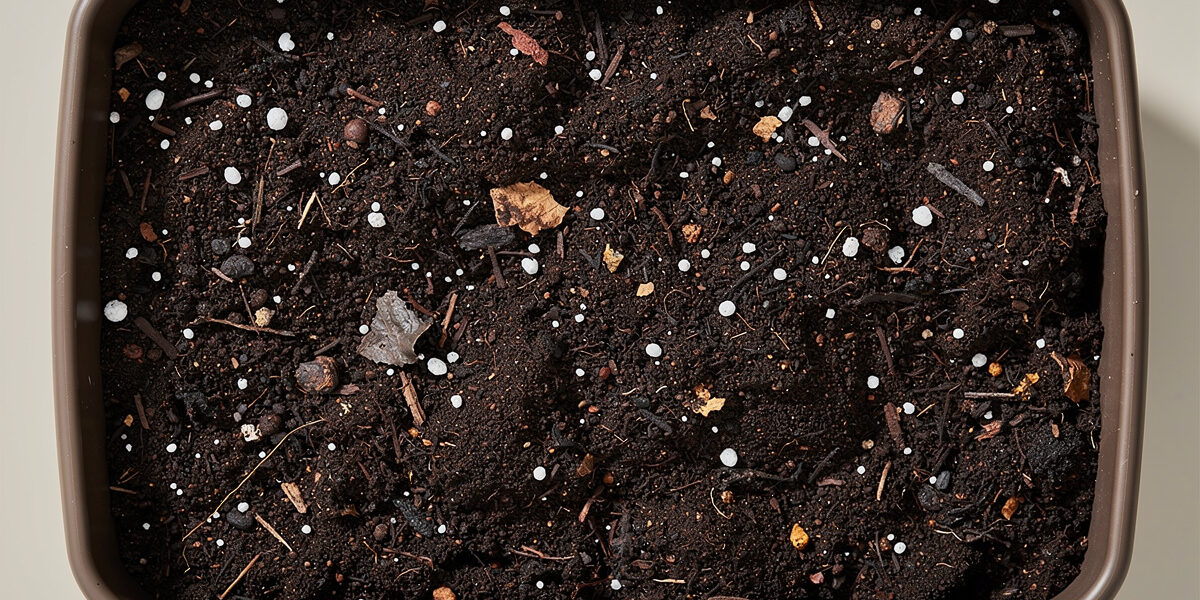
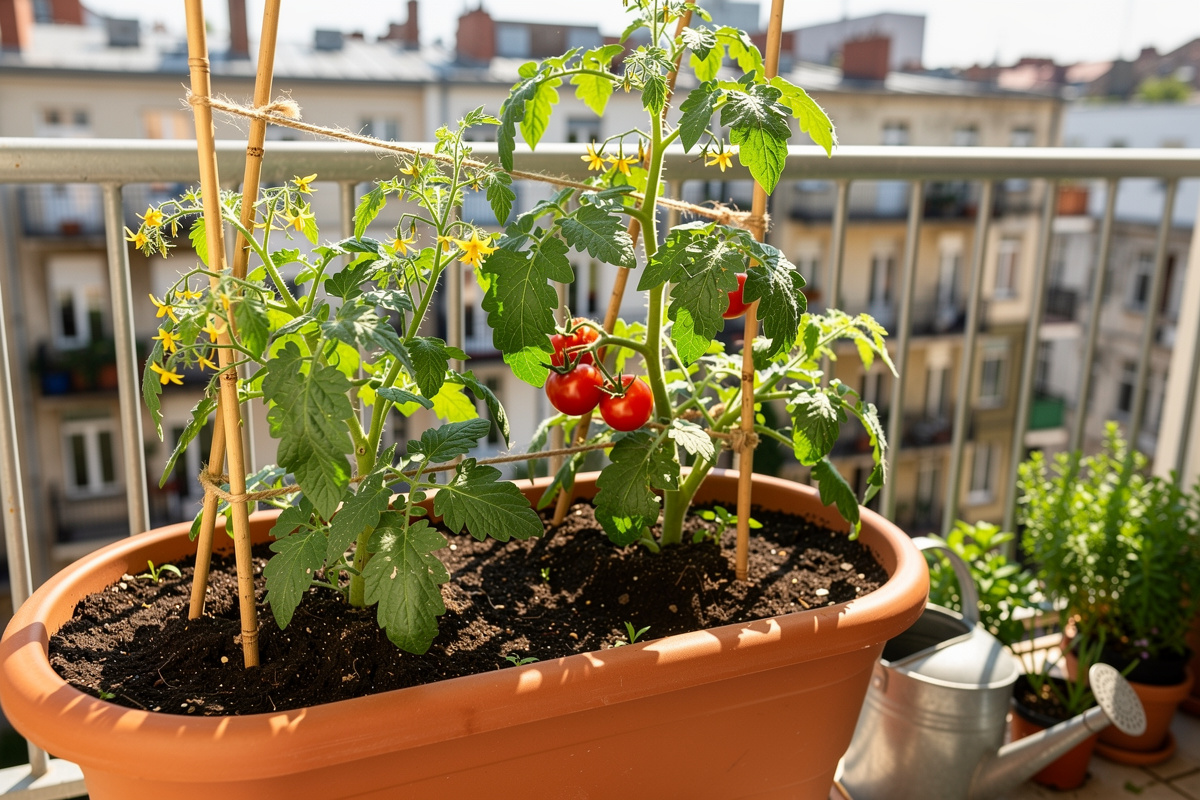
The best potting soil for vegetables contains 30% or more compost, balanced perlite for drainage, and a pH between 6.0 and 6.8. On my balcony containers, these three factors have been the difference between a bumper harvest and a season fighting blossom end rot.
I grow most of my vegetables in containers where every liter of soil has to earn its space — there is no ground soil to buffer a bad mix. Here’s what actually goes into a good vegetable potting soil, the best bagged options, and the cheaper DIY recipe I mix myself to fill a lot of pots without spending a fortune. The quickest route is a quality bagged vegetable potting mix; the cheapest is mixing your own from the components below.
As an Amazon Associate I earn from qualifying purchases.
Why Potting Soil Matters for Vegetable Gardens
The best potting soil for vegetables contains 30% or more compost, balanced perlite for drainage, and a pH between 6.0 and 6.8. These three factors determine whether your tomatoes cruise through the season or struggle with blossom end rot and root rot. Choosing the right mix is the single most impactful decision for container vegetable success. This hub guide covers the complete soil and compost system that supports all container gardening success.
This guide breaks down exactly what makes potting soil suitable for vegetables, how to evaluate products on the shelf, and which formulations deliver the best results for different growing scenarios. Whether you are filling raised beds, container gardens, or indoor growing setups, the principles remain the same — your vegetables need soil engineered for their specific needs.
What Makes Vegetable Potting Soil Different
Vegetable potting soil is engineered for plants that pull pounds of nutrients from the root zone over a single growing season — a tomato plant uses more nitrogen in 3 months than a houseplant does in 3 years. A mix designed for African violets will fail your tomatoes, and a cactus mix will starve your peppers. Getting the balance right means managing three competing demands at once: nutrient density, drainage, and pH.
Nutrient Density and Balance
Vegetables consume far more nutrients than ornamental plants. A single tomato plant can extract pounds of nitrogen, phosphorus, and potassium from its root zone over a growing season. Quality vegetable potting soil includes a balanced fertilizer base — typically an NPK ratio around 3-1-2 or 4-2-3 — along with micronutrients like calcium, magnesium, and iron. Many premium mixes incorporate slow-release organic fertilizers such as worm castings, kelp meal, or composted manure that feed plants steadily over weeks rather than dumping nutrients all at once.
Drainage and Water Retention Balance
Vegetable roots need both oxygen and moisture — a combination that requires careful engineering. Too much water retention leads to root rot and fungal diseases. Too much drainage leaves plants stressed and nutrient-deficient. The ideal vegetable potting soil holds moisture like a sponge while still allowing excess water to flow freely through. This balance typically comes from a blend of peat moss or coco coir (water retention), perlite or vermiculite (drainage and aeration), and compost (nutrient holding capacity).
pH Level for Nutrient Availability
Most vegetables absorb nutrients most efficiently in slightly acidic soil with a pH between 6.0 and 6.8 — comfortably inside the 5.5–7.0 window that University of Florida IFAS research identifies as suitable for most vegetable crops. Outside this range, essential nutrients become chemically locked and unavailable to roots regardless of how much fertilizer you add. Quality vegetable potting soils are pre-adjusted to this range and include buffering agents like dolomitic lime that maintain stable pH over time.
Key Ingredients in Quality Vegetable Potting Soil
A good vegetable mix has exactly three jobs: hold water without drowning roots, deliver steady nutrients for 4-6 weeks, and resist compaction over a full growing season. In my own container mix I lean on coir over peat — it rewets more reliably after drying out on a hot balcony — and I never skip the perlite. Here are the components I look for in every bag or blend.
Base Materials
Peat Moss: The traditional base for most potting soils. Excellent water retention, naturally acidic (requires lime adjustment), and sterile. Environmental concerns about peat bog harvesting have led many manufacturers to seek alternatives.
Coco Coir: Made from coconut husks, this sustainable alternative to peat moss offers similar water retention with better aeration. It has a more neutral pH and rewets more easily when dry. Increasingly the preferred base in premium mixes.
Compost: The nutrient engine of any vegetable soil. Quality compost adds beneficial microorganisms, slow-release nutrients, and improved soil structure. Look for mixes that list compost as one of the first three ingredients — many cheap blends include only trace amounts.
Aeration and Drainage Components
Perlite: Those white, popcorn-like particles are expanded volcanic glass. They create air pockets in the soil, improve drainage, and prevent compaction. A good vegetable mix contains 10-20% perlite by volume.
Vermiculite: Similar to perlite but with higher water retention. Better for seed starting mixes than mature vegetable soil, but useful in blends for moisture loving crops like lettuce and cucumbers.
Pumice: A premium alternative to perlite that does not float to the surface over time. Found in higher-end mixes and worth the extra cost for permanent container installations.
Nutrient Additions
Worm Castings: Among the best organic soil amendments available. Rich in beneficial microbes, plant-available nutrients, and growth hormones. Even a small percentage (5-10%) significantly improves soil quality.
Bat Guano: High-nitrogen organic fertilizer that also adds phosphorus. Excellent for leafy vegetables and early growth stages.
Kelp Meal: Provides trace minerals and natural plant growth hormones that improve stress tolerance and root development.
Biochar: A charcoal-based amendment that improves nutrient retention and provides habitat for beneficial soil organisms. Still emerging in commercial mixes but gaining traction among serious growers.
Best Potting Soil for Different Vegetable Types
Not all vegetables want the same soil. Heavy feeders like tomatoes strip nutrients fast and need a dense, compost-rich medium, while root crops like carrots demand loose soil they can push through without forking. Matching your soil to your crop type is the difference between a productive container and a disappointing one — I learned this the hard way with a batch of carrots that came out twisted because my mix was too rich.
Heavy Feeders (Tomatoes, Peppers, Squash)
These crops demand nutrient-rich soil with excellent structure. Look for mixes with high compost content (30% or more), added worm castings, and slow-release fertilizer. The soil should feel substantial and dark, not light and fluffy. Tomatoes especially benefit from mixes with added calcium to prevent blossom end rot.
Leafy Greens (Lettuce, Spinach, Kale)
Leafy vegetables prefer soil with higher moisture retention and moderate nutrient levels. A mix with more coco coir or peat moss and less perlite works well. These crops have shallow root systems that benefit from consistent moisture without waterlogging.
Root Vegetables (Carrots, Radishes, Potatoes)
Root crops need loose, well-draining soil that does not impede root expansion. Look for mixes with higher perlite or sand content and lower compost percentage. Heavy, nutrient-dense soil can cause forked or stunted roots in carrots and other tap-rooted vegetables.
Herbs (Basil, Cilantro, Parsley)
Most Mediterranean herbs prefer well-draining soil on the leaner side. A standard vegetable potting mix works, but reducing the compost content slightly and increasing perlite prevents the overly rich conditions that can dilute herb flavor compounds.
Comparing Top Potting Soil Options
Here is how common potting soil categories stack up for vegetable growing:
| Soil Type | Best For | Nutrient Level | Drainage | Price Range |
|---|---|---|---|---|
| Premium Vegetable Mix | All vegetables, containers | High | Excellent | $$$ |
| Standard Potting Mix | Leafy greens, herbs | Moderate | Good | $$ |
| Raised Bed Mix | Raised beds, large planters | Moderate-High | Good | $$ |
| Seed Starting Mix | Seed germination only | Low | Excellent | $ |
| Garden Soil (bagged) | Amending existing soil | Variable | Poor-Moderate | $ |
| Cactus/Succulent Mix | Not recommended for vegetables | Low | Excessive | $$ |
How to Read a Potting Soil Label
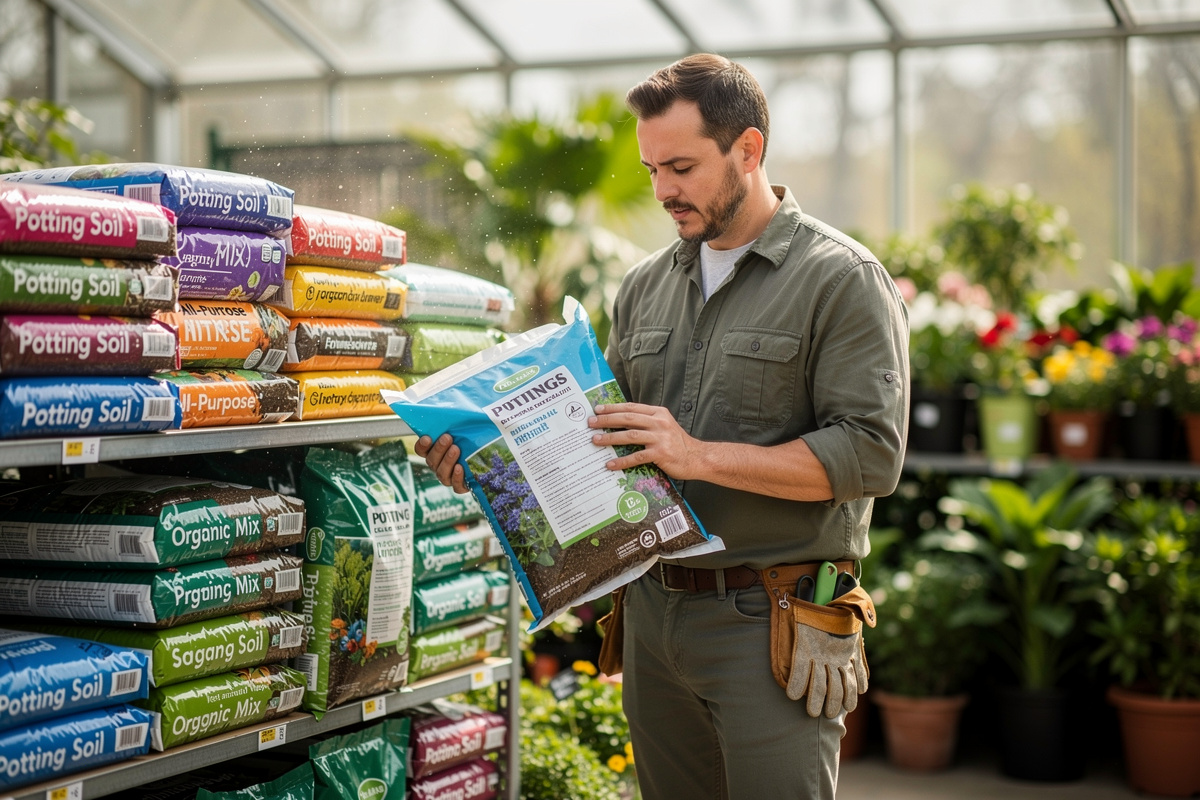
Potting soil labels use specific terminology that reveals a lot about quality. Here is what to look for:
Ingredient Order Matters
Ingredients are listed by volume, from highest to lowest. If sphagnum peat moss is first, it is the primary component — good. If composted forest products or wood waste appears early, the mix may contain low-quality fillers that do not provide the nutrients vegetables need.
Wetting Agents
Most commercial mixes include synthetic wetting agents to help dry soil absorb water. These are generally safe but can break down over time, causing the soil to become hydrophobic. Organic mixes may use yucca extract as a natural wetting agent — a sign of a quality product.
Fertilizer Information
Quality mixes list their fertilizer content, including NPK ratio and whether nutrients are organic or synthetic. If a mix claims to feed plants for up to 6 months, it contains slow-release fertilizer — convenient but verify the actual nutrient levels rather than relying on marketing claims.
OMRI Listing
For organic growers, look for the OMRI (Organic Materials Review Institute) seal. This certifies that all ingredients meet organic standards. Not all good soils are OMRI-listed, but the seal guarantees ingredient transparency.
DIY Vegetable Potting Soil Recipe
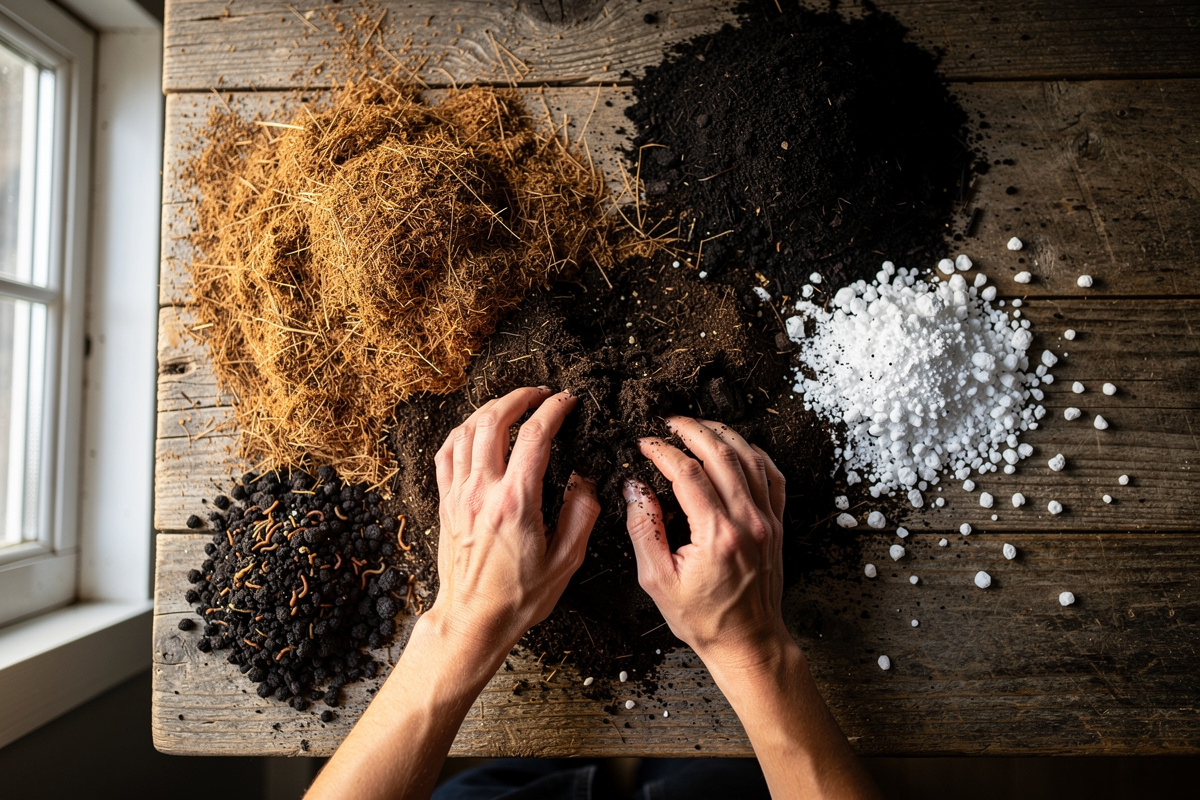
Mixing your own potting soil gives you complete control over ingredients and can save money at scale. This reliable recipe for general vegetable growing starts with quality compost as the foundation.
Standard Vegetable Mix
| Ingredient | Ratio | Purpose |
|---|---|---|
| Coco coir or peat moss | 1 part | Base material, water retention |
| Compost (quality, screened) | 1 part | Nutrients, microorganisms |
| Perlite or coarse sand | 1/2 part | Drainage, aeration |
| Worm castings | 1/4 part | Nutrient boost, microbes |
| Dolomitic lime (if using peat) | 1 cup per cubic foot | pH adjustment |
For heavy feeders like tomatoes, add 1/2 cup of kelp meal and 1/2 cup of bone meal per cubic foot of mix. For root vegetables, increase the perlite to 1 full part and reduce compost slightly.
Common Potting Soil Mistakes
Using Garden Soil in Containers
Garden soil compacts in containers, suffocating roots and preventing drainage — Iowa State University Extension warns it is simply too dense for good air and water movement in a pot. It may also contain weed seeds, pests, and diseases. Always use potting mixes — not garden soil — for containers, raised beds, and indoor growing.
Reusing Old Potting Soil Without Refreshment
Last year container soil is depleted of nutrients and may harbor pathogens. You can reuse it, but only after refreshing: remove old roots, mix in 30-50% fresh compost, add slow-release fertilizer, and pasteurize if disease was present.
Choosing the Cheapest Option
Budget potting soils often contain high percentages of wood waste, bark dust, or low-quality compost that provides poor nutrition and inconsistent results. The extra $5-10 per bag on a quality vegetable mix pays for itself in healthier plants and higher yields.
Ignoring Soil Depth Requirements
Even the best potting soil fails if containers are too shallow. Tomatoes need 12-18 inches of soil depth, peppers need 10-12 inches, and leafy greens can manage with 6-8 inches. Match your soil depth to your crops root systems.
When to Amend or Replace Potting Soil
I have learned to read my containers — when the soil level drops an inch from where it started and water runs straight through instead of absorbing, organic matter has broken down and the mix is losing its structure. A quick squeeze test works too: if a handful of moist soil clumps hard and doesn’t crumble when poked, it has compacted past the point of easy recovery. Here is the maintenance schedule I follow on my balcony:
- Every season: Top dress with 1-2 inches of fresh compost and add slow-release fertilizer
- Every 2-3 seasons: Replace 30-50% of the soil volume with fresh mix
- After disease: Replace all soil or solarize the existing soil in black plastic bags for 4-6 weeks in full sun
- Signs it is time: Water runs straight through without absorbing, plants show nutrient deficiencies despite fertilizing, soil has become compacted and dense
Dialing In Your Mix Season by Season
The container soil I put together in April is not the same soil by October. Organic matter breaks down, perlite migrates upward, and the whole mix settles by an inch or more. I keep a bucket of coir and a bag of perlite on the balcony through the season — when a container stops draining or the surface looks spongy instead of crumbly, I know it is time to refresh. The best shortcut I have found: mix one big batch of the DIY recipe at the start of the season, keep the extras in a plastic storage bin, and you can top up or replace tired soil in any container in about five minutes.
A soil pH meter is worth having if you reuse your mix — when the pH drifts below 5.8 or above 7.0, I know my medium needs more than just a top-dress. The worm castings I add to every batch are the one amendment I will not skip: a handful per 5-gallon container of worm castings keeps the microbial life cycling through the season, and the plants show it — greener new growth, fewer nutrient deficiencies, and measurably better fruit set on tomatoes and peppers.
Frequently Asked Questions
What is the best potting soil for growing vegetables?
The best potting soil for vegetables contains a blend of coco coir or peat moss, quality compost (30% or more), perlite for drainage, and organic amendments like worm castings. Look for mixes specifically labeled for vegetables with an NPK ratio around 3-1-2 and a pH between 6.0 and 6.8. Premium vegetable potting mixes outperform generic potting soils because they are formulated for the higher nutrient demands of edible crops.
Can I use regular potting soil for vegetables?
Regular potting soil can grow vegetables, but results will be suboptimal. Generic potting mixes are formulated for ornamental plants with lower nutrient needs. Vegetables are heavy feeders that require more compost, higher nutrient levels, and better structure. If using regular potting soil, amend it with additional compost and a balanced organic fertilizer before planting vegetables.
How often should I replace potting soil in vegetable containers?
Replace 30-50% of potting soil in vegetable containers every 2-3 growing seasons. Annually, refresh the top 2-3 inches with fresh compost and add slow-release fertilizer. Complete replacement is only necessary if soil-borne disease was present or if the soil has become severely compacted and no longer drains properly.
Is coco coir or peat moss better for vegetable potting soil?
Coco coir is generally better for vegetable potting soil. It has a more neutral pH, better aeration, rewets more easily when dry, and is a renewable resource. Peat moss is more acidic (requiring lime adjustment) and raises environmental concerns about bog harvesting. However, both work well as base materials — the overall quality of the mix matters more than the specific base.
Do I need to add fertilizer to potting soil for vegetables?
Most quality vegetable potting soils include enough nutrients for the first 4-6 weeks of growth. After that, supplemental feeding is necessary. Use a balanced organic fertilizer or liquid feed every 2-3 weeks during the growing season. Heavy feeders like tomatoes and peppers benefit from additional calcium and consistent feeding throughout fruiting.