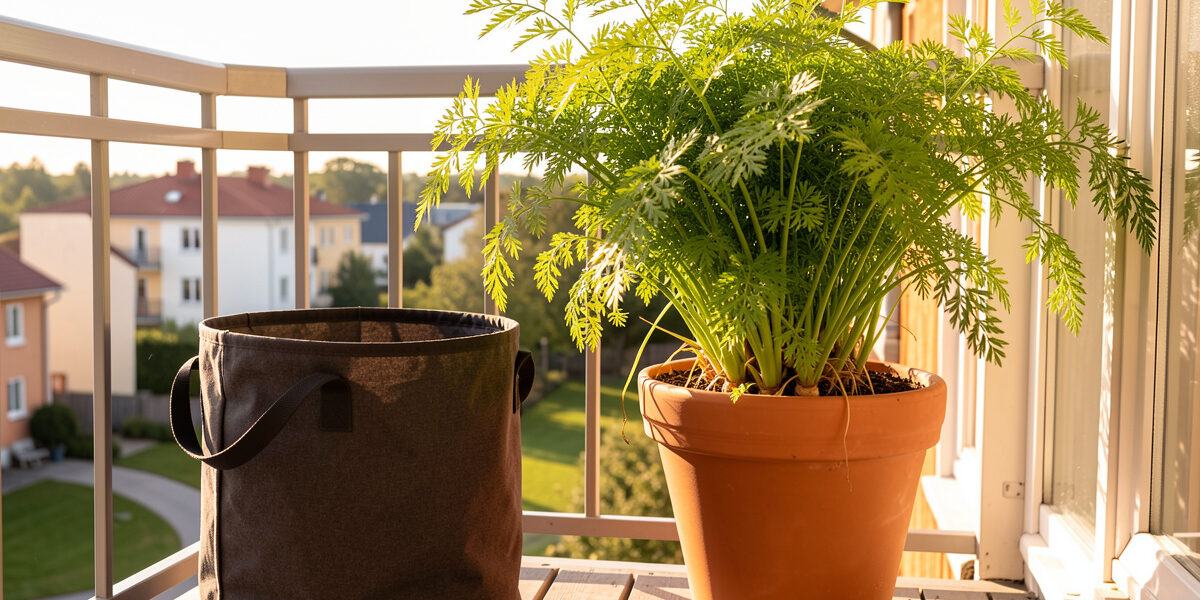
Carrots grow superbly in pots, and in a cold climate a deep container often beats a garden bed — it warms earlier, drains better, and sits up off the ground away from the carrot fly. The one thing you cannot skimp on is depth: give them a pot at least 30 cm deep, fill it with loose, stone-free soil, and you have solved 90% of what goes wrong with container carrots.
I grow most of my carrots on the balcony in deep pots and fabric bags, and through a Swedish season they have been some of the most reliable roots I run. The early warmth of a black pot lets me sow weeks before the beds are workable, and the clean, screened mix gives me straight roots instead of the forked mess that stony ground produces. Here is exactly how I do it.
The Right Pot and Depth for Carrots
Choose a pot at least 30 cm deep for short carrots and 35 cm or more for maincrop types — depth is non-negotiable, because the carrot is the root and it needs room to drive straight down. Width matters less; a 25–30 cm deep pot 30 cm across will hold a respectable crop thinned to 4–5 cm spacing.
A taproot that reaches the bottom of a shallow pot forks, stunts, or curls back on itself, which is why windowbox carrots disappoint. I favour deep fabric grow bags for this — they give the depth without the dead weight of a big ceramic pot, drain freely so the roots never sit wet, and “air-prune” at the sides which keeps the plant from going root-bound. If you want short, sweet roots from a shallower space, grow a stump-rooted Nantes or Chantenay type rather than a long Imperator. The broader logic of matching pot to crop is in my guide to growing root vegetables in containers.
The Soil That Gives You Straight Carrots
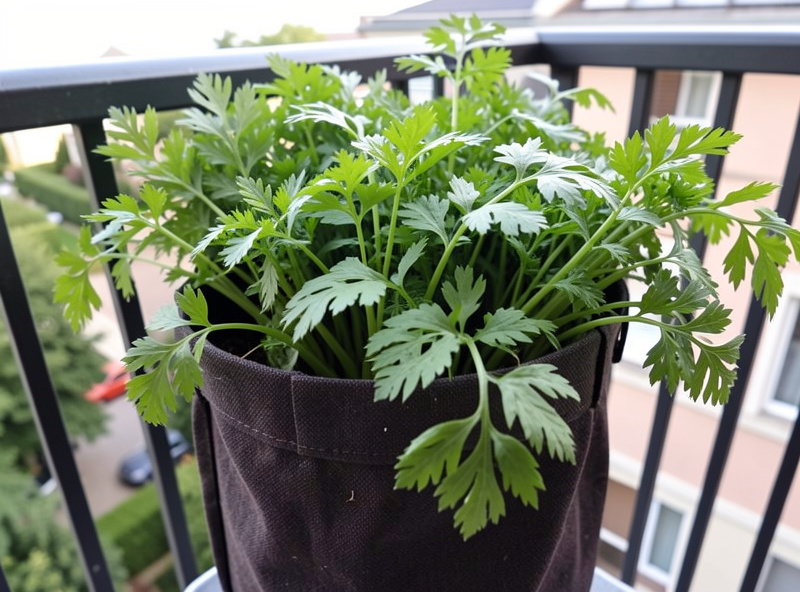
Carrots want a loose, fine, stone-free medium — the single biggest cause of forked and hairy roots is lumpy or compacted soil. Use a mix of around two parts compost, one part coir, and one part perlite, screened to remove anything chunky, and never use heavy bagged “potting soil” alone, which compacts and forces the root to fork past it.
Avoid fresh manure or anything stony, both of which split and fork the taproot. I also keep the nitrogen modest — too rich and you grow a forest of feathery tops over a thin root. A handful of worm castings worked through is plenty of fertility to start. I screen my carrot mix more carefully than anything else I grow, because even a small stone deflects a root. The full recipe is in my best soil mix for root vegetables in containers, and if you are starting from a bag, see the best potting soil for vegetables.
Sowing and Thinning
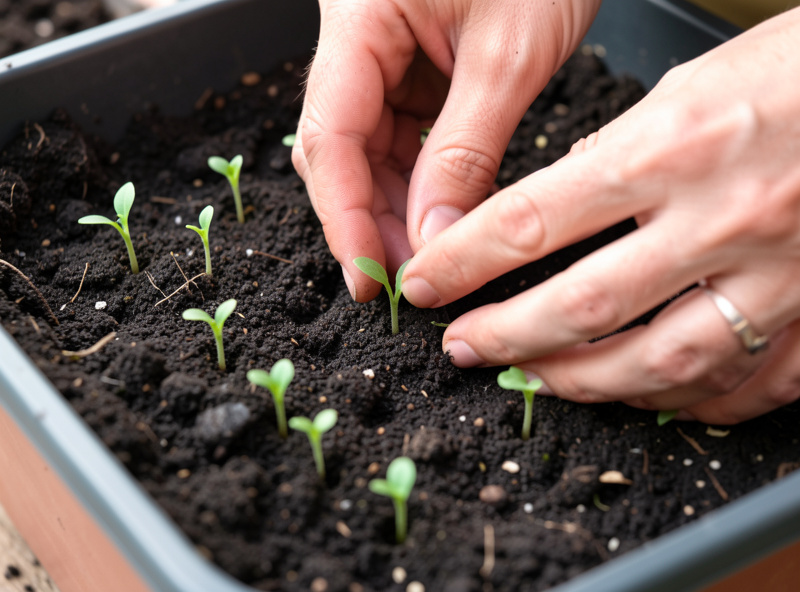
Direct-sow carrots where they are to grow — they hate transplanting — and sow as thinly as you can, then thin ruthlessly to 4–5 cm apart. Crowded carrots compete and stay pencil-thin, so thinning is the step that actually makes the crop. Sow about 1 cm deep, keep the surface damp until germination, which can take two to three weeks in cool soil, and be patient.
I sow in short rows or scatter thinly across the pot, then thin in two passes once the seedlings are a few centimetres tall. Carrot seed is tiny, so mixing it with a little dry sand helps spread it. When you thin, snip rather than pull to avoid disturbing the neighbours, and do it in the evening — the bruised foliage smell can attract carrot fly, though up on a balcony that is far less of an issue. Succession-sow a short row every two to three weeks for a continuous supply rather than one glut, a habit I lean on across all my container growing.
Watering for Crack-Free Roots
Keep carrot soil evenly moist at all times — the classic split carrot is caused by a dry spell followed by a heavy drink, which makes the root swell faster than its skin can stretch. Steady, even moisture is the whole game; aim for damp like a wrung-out sponge, never letting the pot dry hard.
Pots dry fast, and a deep one full of carrots in summer can need water every day or two by hand. This is exactly where I lean on self-watering — a 3D-printed reservoir insert in the base wicks moisture up evenly and takes the daily guesswork out, cutting me to roughly twice-weekly top-ups. If you hand-water, do it deeply and consistently rather than a daily surface splash, and learn to read the signs of overwatering so you keep the balance right.
Timing in a Short Season
Carrots are cool-season and hardy, so in a cold climate you can sow as soon as the medium reaches about 8°C — often weeks before the open ground is ready, thanks to the pot’s early warmth. Sow from mid-spring, keep fleece handy for late frosts on the seedlings, and sow a final batch in mid-summer for autumn pulling.
The container’s head-start is the real cold-climate advantage. I get carrots up and growing while the beds are still cold and wet, which in a short season is the difference between a crop and a near-miss. At the back end, carrots actually sweeten after a light frost, so I leave the autumn sowing in the pot and pull as needed. My approach to both ends of the season is in the season extension guide and the frost protection methods I rely on.
Choosing the Right Variety
For containers, shorter and stump-rooted varieties outperform long maincrop types in all but the deepest pots. A Nantes or Chantenay matures fast and copes with less depth, while round “Paris Market” types are made for shallow troughs. Match the variety to your pot depth and the crop gets easy.
| Variety type | Root shape | Min pot depth | Best for |
|---|---|---|---|
| Paris Market (round) | Golf-ball round | 15–20 cm | Shallow troughs, fast crops |
| Chantenay | Short, broad, blunt | 20–25 cm | Forgiving all-rounder |
| Nantes | Cylindrical, medium | 25–30 cm | Sweet, reliable container crop |
| Imperator / maincrop | Long, tapered | 35 cm+ | Deep pots only, storage |
As an Amazon Associate I earn from qualifying purchases. The two things worth buying for container carrots are a deep fabric grow bag and a packet of Nantes carrot seed — depth and the right variety do more for your crop than anything else.
Frequently Asked Questions
How deep does a pot need to be for carrots?
At least 30 cm for short carrots, and 35 cm or more for long maincrop types. Round Paris Market varieties manage in 15 to 20 cm. Depth lets the taproot grow straight; a shallow pot causes forked and stunted roots.
Why are my container carrots forking?
Forking is caused by stony, lumpy or compacted soil, or by a pot too shallow for the variety. Use a loose, screened, stone-free mix and a deep pot, and avoid fresh manure, which also splits and forks the root.
How many carrots can I grow in one pot?
Thin carrots to 4 to 5 cm apart. A 30 cm wide pot holds roughly 20 to 30 carrots at that spacing. Crowding them gives you many thin, competing roots rather than fewer good ones, so thinning matters more than sowing rate.
Why are my carrots all leaf and no root?
Too much nitrogen, or overcrowding. Rich, high-nitrogen feed pushes lush green tops at the expense of the root. Feed lightly, build fertility with compost and worm castings rather than strong liquid feed, and thin the seedlings properly.
Can you grow carrots in pots over winter in a cold climate?
You can sow in mid-summer for autumn pulling, and carrots sweeten after light frost, so they hold in the pot into late autumn. For true winter, lift and store them in damp sand somewhere cool, as the pot soil will freeze solid.