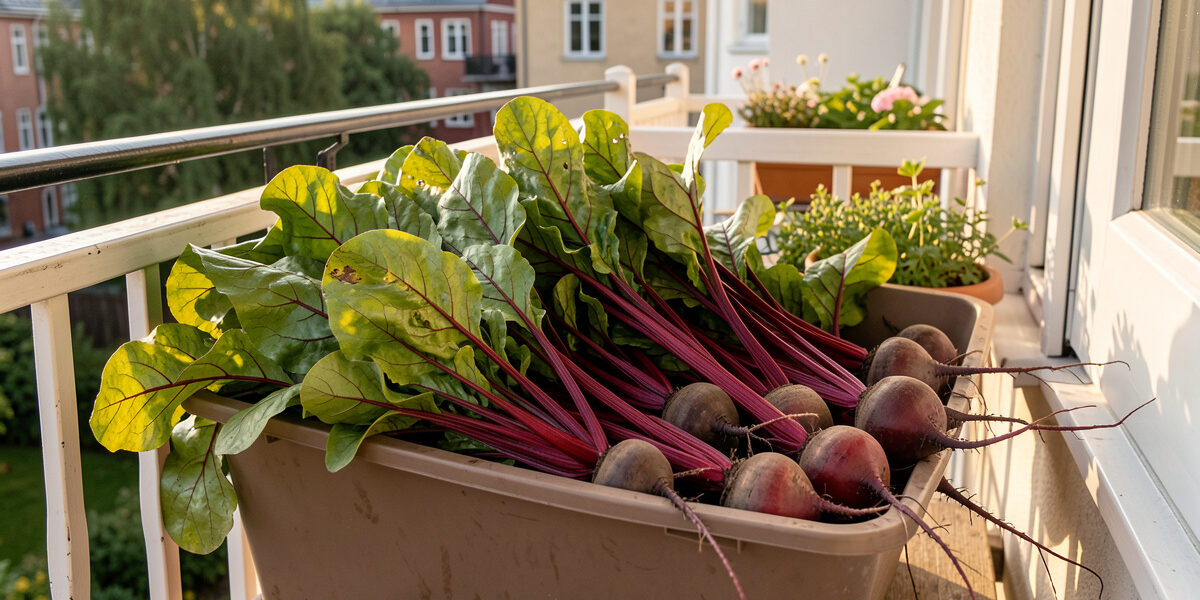
Beets are one of the best roots you can grow in a container, and they give you two crops from one pot — the swollen root and the glossy leaves, which are as good as chard. They want a pot about 20–25 cm deep, steady moisture, and thinning to roughly 8–10 cm, and in a cold climate they shrug off the cool, short season that troubles fussier crops.
On my balcony beets are a workhorse. They tolerate the cold better than almost anything else I grow, the thinnings go straight into a salad, and a 10 L pot keeps me in roots and greens for weeks. If you have killed a carrot and lost your nerve, beets are the root that rebuilds it — forgiving, fast enough, and genuinely hard to ruin.
Pot Size and Depth for Beets
A pot 20–25 cm deep is plenty for beets, which sit closer to the surface than carrots and do not need the same drive room. Width is where you win plants: a wide 10 L pot or grow bag thinned to 8–10 cm holds a useful crop, and because beets tolerate a little crowding you have some margin.
Beets are far more forgiving of pot choice than carrots. They will take a slightly heavier soil, a shallower container, and a bit of jostling, which is why I recommend them to anyone starting with container roots. Fabric grow bags suit them well for the drainage, but a plastic tub works fine too. The one constant is good drainage — a beet sitting in waterlogged soil rots at the shoulder. For how depth maps across every root crop, see my guide to growing root vegetables in containers.
One Seed, Several Seedlings: How to Thin
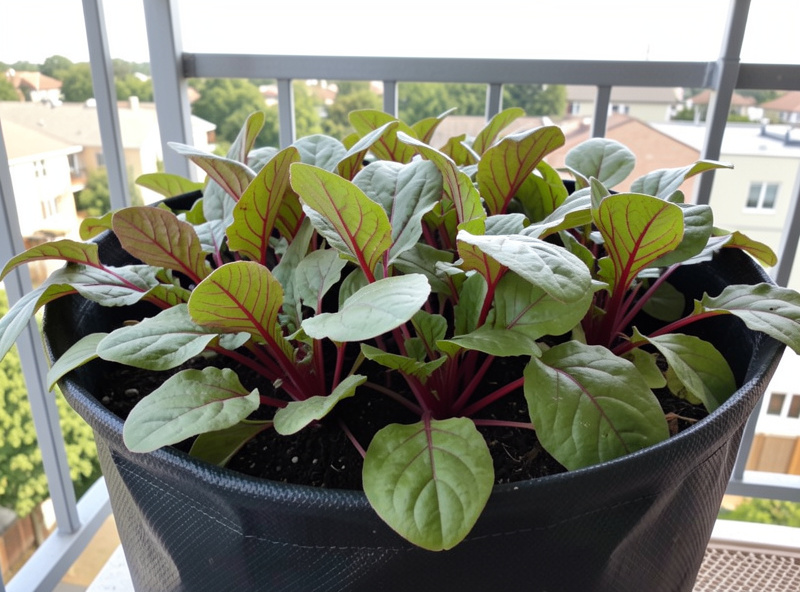
Most beet “seeds” are actually seed clusters that produce several seedlings each, so even thin sowing comes up crowded — you must thin, or every root stays small. Thin to one strong seedling every 8–10 cm, and eat the thinnings as baby greens rather than wasting them.
This clustered-seed quirk catches people out: they sow what looks like a sparse row and get a dense mat of seedlings. I thin in two passes, snipping the weaker ones at soil level so I do not disturb the keeper’s roots, and the trimmed leaves go in the salad bowl the same evening. Modern “monogerm” varieties produce single seedlings if you want to skip the heaviest thinning, but I rather like the free crop of greens that the standard clustered types give. Succession sowing a short row every few weeks keeps it going, the same rhythm I use across all my containers.
Soil and Feeding
Beets want a fertile, free-draining mix that is not too high in fresh nitrogen — rich nitrogen grows lush leaves at the expense of the root. A blend of compost, coir, and perlite with a couple of handfuls of worm castings worked in gives the steady fertility they like without forcing leaf at the root’s expense.
One beet-specific note: they are hungry for boron and potassium, and a beet short on boron develops dark patches and a corky texture inside. A compost-rich mix with worm castings usually covers it, which is one more reason I keep coming back to worm castings as my default amendment. Skip strong high-nitrogen feeds. If you are building your medium from scratch, my best soil mix for root vegetables in containers is the recipe I use, and the feeding restraint I apply to brassica roots carries over neatly.
Watering to Avoid Woody, Split Beets
Keep beet soil evenly moist — the wet-dry swings that pots fall into make beets woody and cause the roots to split. Steady moisture keeps them tender and round, so aim for consistently damp rather than a cycle of bone-dry and soaked.
A 10 L pot in summer dries quickly, and that is where a self-watering insert or a wicking conversion earns its place, holding the even moisture beets reward you for. If you hand-water, water deeply and on a steady rhythm. Beets are more tolerant of a missed day than carrots, but consistent water is still what gives you a smooth, tender root rather than a tough one. My general watering guide sets the baseline.
Timing and Cold Tolerance
Beets are genuinely cold-hardy and one of the first roots I sow — they germinate in cool soil and tolerate light frost, so a container’s early warmth lets you start well before the beds are ready. Sow from early-to-mid spring, succession-sow through summer, and a late sowing will give you autumn roots that hold well.
This cold tolerance is why beets anchor my early-season balcony. While I am still nursing tender crops indoors, beets are already up in their pots outside. They will sit through cool weather without sulking, and a touch of frost in autumn does them no harm. For pushing the season at both ends, see the season extension guide and my frost protection methods. Beets are also a natural pairing on the rail with balcony strawberries and the other crops in my balcony system.
Harvesting and Using the Whole Plant
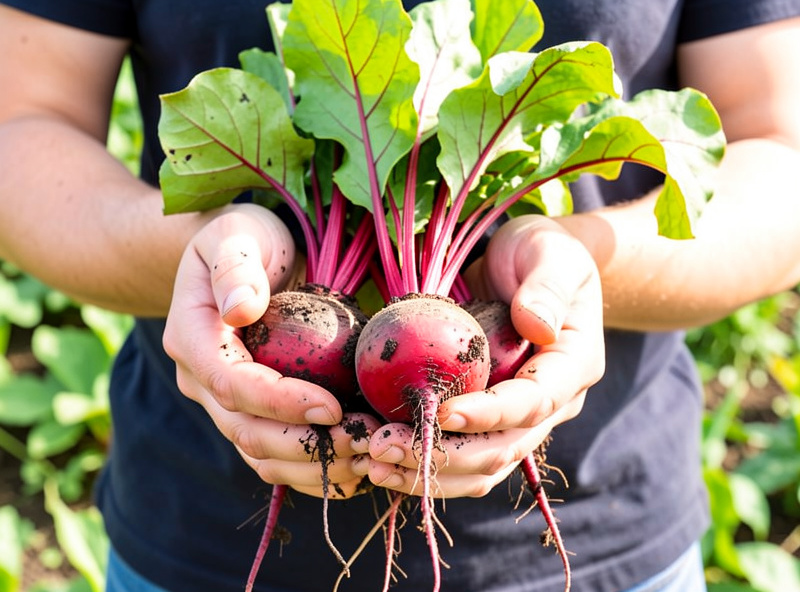
Harvest beets young for the best texture — golf-ball to tennis-ball size is the sweet spot, and roots left to grow oversized turn woody and lose their sweetness. Because containers let you pull selectively, lift the biggest first and leave the rest to size up, which stretches one pot over several weeks of eating.
The two-crop nature of beets is what makes them such good value in a small space: I pick a few outer leaves through the season for the salad bowl, then lift the roots as I need them. A light autumn frost actually concentrates their sweetness, so I leave the last sowing in the pot until a hard freeze threatens, then lift the lot and store them in a box of barely-damp sand somewhere cool — the apartment version of a root cellar, and it holds them for weeks. Anything truly spent, tops and trimmings included, goes into the worm bin to come back as next year’s potting mix, closing the same loop I run across the whole balcony.
As an Amazon Associate I earn from qualifying purchases. Beets are easy on kit — a wide grow bag and a packet of a reliable round variety like Detroit Dark Red beet seed is genuinely all you need to start.
Frequently Asked Questions
How deep should a container be for beets?
About 20 to 25 cm deep is plenty. Beets sit nearer the surface than carrots and do not need as much drive room, so a wide 10 L pot or grow bag at that depth holds a good crop once thinned to 8 to 10 cm spacing.
Why do my beet seeds come up in clumps?
Most beet seeds are actually seed clusters containing several seeds, so each one produces a small clump of seedlings. Thin each cluster to a single strong seedling every 8 to 10 cm, and eat the thinnings as baby beet greens.
Can you eat beet leaves from container plants?
Yes, beet leaves are excellent and used like chard. The thinnings make tender baby greens, and you can pick a few outer leaves from growing plants without harming the root. This is what makes beets a true two-in-one container crop.
Why are my container beets tough and woody?
Usually inconsistent watering or leaving them in too long. Wet-dry swings and over-mature roots both turn woody. Keep the soil evenly moist and harvest beets young, around golf-ball to tennis-ball size, for the most tender texture.
Are beets frost hardy in containers?
Yes, beets are cold-hardy and tolerate light frost, which makes them one of the earliest roots to sow in spring and a good autumn crop. The container soil will eventually freeze in deep winter, so lift any remaining roots before a hard freeze.
Do beets need full sun in a container?
Beets do best in full sun but tolerate partial shade better than fruiting crops, making them useful on a less-than-ideal balcony. In partial shade the roots size up more slowly, but the leaves stay productive, so the plant still earns its pot.