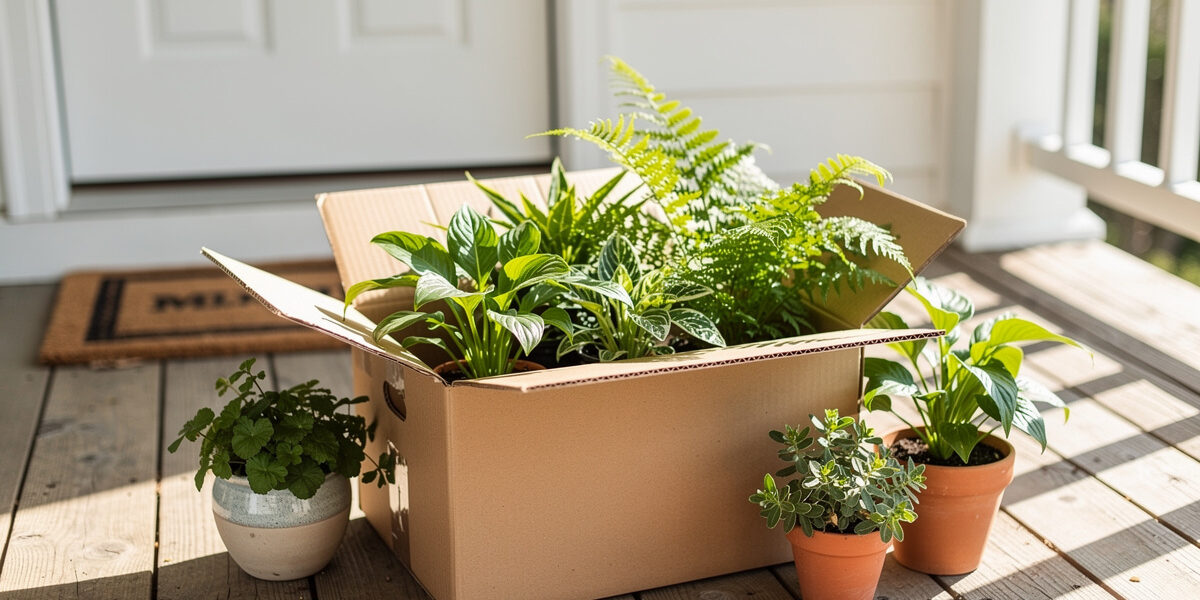
Having outdoor plants in pots delivered directly to your home is a convenient way to instantly upgrade your patio or balcony. Reputable online nurseries now ship established, container-grown plants packaged to survive transit — and the Royal Horticultural Society’s mail-order guidance covers exactly how to choose reputable sellers and what to expect when the box arrives (Buying Plants Online and by Mail Order, RHS). By choosing the right varieties and inspecting the root system within a day of delivery, you can skip the messy potting process and enjoy a near-mature garden display. I order a few plants online most seasons — cold-tolerant perennials and shrubs that the local garden centres here in Sweden simply don’t carry.
The Convenience and Benefits of Plants Delivered to Your Door
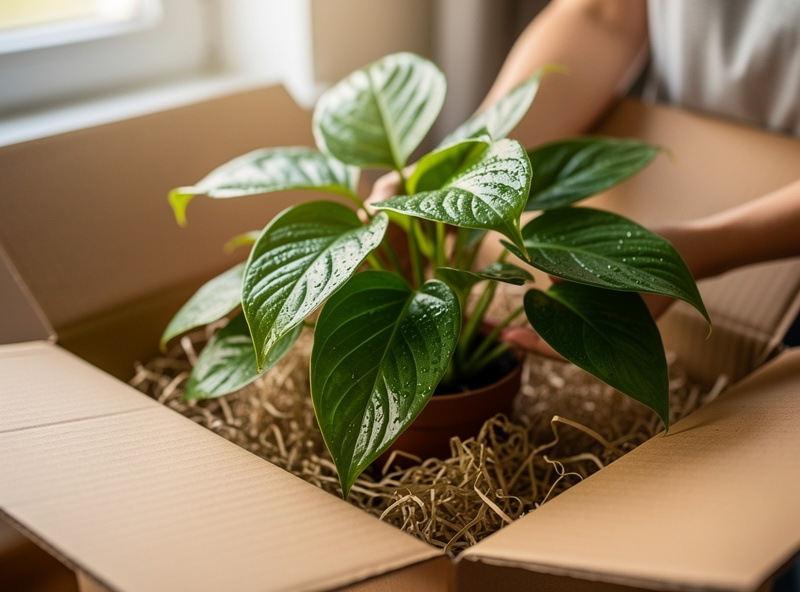
Buying outdoor plants in pots delivered directly to your home has revolutionized how gardeners source their greenery. No longer limited by local nursery selection or constrained by transport logistics, today gardeners can access an incredible diversity of plants from specialized growers across the country. Whether you are seeking rare specimens, specific varieties, or simply the convenience of having healthy, well-grown plants arrive ready for placement in your garden, online plant delivery services offer solutions that traditional retail cannot match.
The advantages extend far beyond convenience. Online nurseries often specialize in particular plant categories, developing expertise and growing techniques that result in superior specimens. Plants are packaged carefully to prevent damage during transit, and many guarantee healthy arrival. For gardeners in areas with limited local nurseries, plant delivery opens doors to possibilities previously unavailable, from heirloom roses to exotic succulents to perfectly grown perennials ready to thrive in your specific conditions.
What to Look for in Online Plant Retailers
Plant Quality and Size Standards
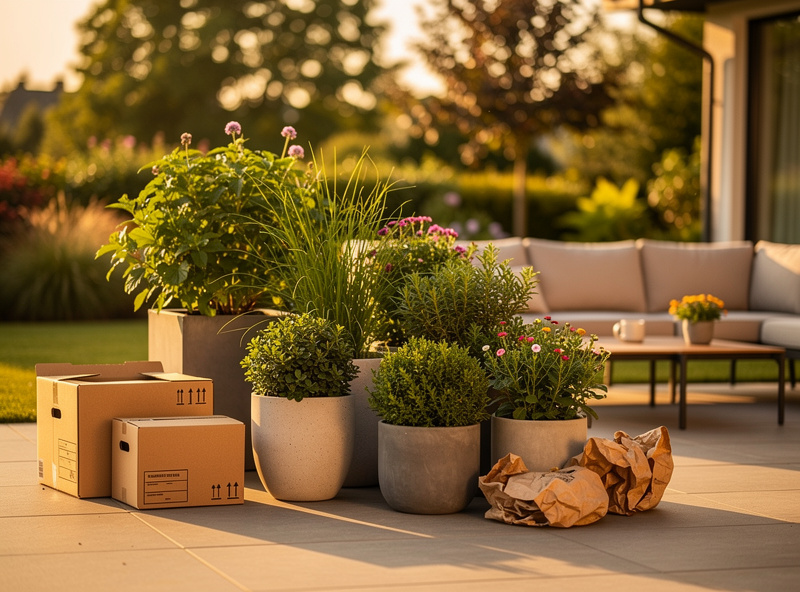
Reputable online nurseries clearly state the size and age of plants they sell. Understanding pot sizes is crucial: a plant in a 9cm pot is a baby seedling requiring significant growing time before mature performance, while a 2-3 liter pot indicates an established plant ready to make an impact in your garden. Some nurseries specialize in mature specimens in 5-liter or larger pots for instant gratification, though these command premium prices.
Look for detailed plant descriptions including mature height and spread, sun requirements, hardiness zones, and blooming periods. Quality retailers provide multiple photos showing plants at different stages and growing conditions. Avoid vendors using only generic stock photos that do not represent the actual plants you will receive. Iowa State Extension’s plant-selection guidance is the standard checklist I run through: match the plant to your sun, soil, water, and winter-hardiness before you ever look at the photo, because a healthy plant in the wrong spot still fails (Tips for Shopping and Selecting Quality Plants, ISU Extension).
Packaging and Shipping Practices
Proper packaging prevents damage during transit. Quality retailers use specialized boxes that hold pots securely, prevent tipping, and protect foliage from crushing. Plants should be watered before shipping but not soggy, with soil secured to prevent spillage. Some retailers include care instructions specific to the plants ordered, helping you transition them successfully from shipping box to garden.
Consider shipping timing, particularly for tender plants. Reputable vendors avoid shipping during extreme weather periods and use expedited shipping for delicate specimens. Some offer guarantees of healthy arrival, replacing plants damaged in transit without hassle.
Customer Service and Support
Quality plant retailers provide responsive customer service to answer questions before and after purchase. Look for vendors offering growing advice, problem diagnosis, and care guidance. Read customer reviews focusing on plant condition upon arrival, accuracy of descriptions, and responsiveness to issues. Active social media presence often indicates engaged, customer-focused businesses.
Specialization and Expertise
Specialist nurseries often provide superior plants within their focus areas compared to general garden centers. A rose specialist grows better roses than a big-box store. A succulent grower offers healthier, more varied succulents than general retailers. When seeking specific plant types, consider purchasing from specialists even if general retailers offer lower prices, as quality differences can be substantial.
Types of Plants Ideal for Delivery
For container selection tips, check urban gardening beginner guide.
Perennials and Ornamental Grasses
Perennials ship exceptionally well, particularly when dormant or in early growth stages. Their fibrous root systems adapt quickly to new conditions, and established plants in 1-2 liter pots often bloom the first season after planting. Grasses, sedges, and similar plants tolerate shipping stress and establish rapidly in new locations.
When ordering perennials, consider the season. Spring-planted perennials have the entire growing season to establish before winter dormancy. Autumn planting works well in mild climates where roots can develop before spring growth. Avoid ordering bare-root perennials in midsummer when heat stress can damage tender new plants.
Shrubs and Small Trees
Container-grown shrubs and small trees ship successfully when properly packaged. Look for plants in appropriate pot sizes, with well-developed root systems filling but not circling their containers. Dwarf and compact varieties are particularly well-suited to delivery since their smaller size reduces shipping costs while still providing garden impact.
See our comprehensive guide on shrubs for pots full sun for recommendations on sun-loving container shrubs that deliver well. For larger specimens, check our article on giant plastic plant pots for trees to ensure you have appropriate containers ready for their arrival.
Bulbs and Rhizomes
Bulbs are perhaps the easiest plants to ship successfully, as their dormant state allows safe transport without foliage damage. Spring-flowering bulbs ship in autumn for immediate planting. Summer-flowering bulbs like dahlias, lilies, and gladiolus ship in spring. Order bulbs early in the season for best selection, as popular varieties sell out quickly.
Inspect bulbs upon arrival for firmness and absence of mold or damage. Plant promptly or store according to included instructions until proper planting time. Most bulb retailers guarantee bloom in the first season, with replacement policies for failed bulbs.
Herbs and Edibles
Herb plants ship well in small pots, arriving ready for immediate use in kitchen gardens or containers. Basil, rosemary, thyme, oregano, and sage establish quickly when transplanted into quality potting mix with adequate drainage. Many online herb specialists offer collections curated for specific cuisines or growing conditions.
Vegetable seedlings also transport successfully when properly packaged. Tomato, pepper, and eggplant starts in 3-4 inch pots arrive ready for immediate transplanting into garden beds or larger containers. For specialized vegetable growing containers, see our guide on fabric vegetable planters that pair perfectly with delivered plants.
Houseplants for Outdoor Summer Use
Many houseplants thrive outdoors during summer months, adding tropical flair to patios and decks. Online retailers specializing in houseplants offer varieties rarely found in local stores, from rare philodendrons to unusual succulents to statement-making fiddle leaf figs. These plants can be ordered year-round and moved outdoors when temperatures permit.
Seasonal Ordering Guide
Avoid common gardening mistakes when transplanting.
Spring: The Prime Planting Season
Spring represents the peak season for plant delivery, with nurseries releasing their finest selections as temperatures warm. This is the ideal time to order perennials, shrubs, and trees, giving them the entire growing season to establish before winter. Order early in the season for best selection, as popular items sell quickly.
Spring is also the season for summer-flowering bulbs and tender annuals that cannot be shipped earlier. Pre-ordering ensures you receive plants at the optimal planting time for your region. Many nurseries offer spring shipping guarantees, holding orders until weather is appropriate for your growing zone.
Summer: Filling Gaps and Late Additions
While not ideal for establishing new plants, summer delivery can fill gaps left by failed spring plantings or add instant color for outdoor entertaining. Focus on established specimens in larger pots that can handle transplant stress better than small seedlings. Prioritize shade-tolerant plants that suffer less from summer heat during establishment.
Many nurseries offer discounts on summer shipments to clear inventory before autumn, making this an economical time to purchase if you can provide attentive care during establishment. Ensure consistent moisture and consider temporary shade protection for new arrivals during heat waves.
Autumn: The Secret Planting Season
Experienced gardeners know autumn offers ideal conditions for planting many perennials, shrubs, and trees. Cooler temperatures reduce transplant stress while warm soil encourages root growth that continues until ground freeze. Plants establish strong root systems over winter, exploding with growth the following spring.
Autumn is the season for ordering spring-flowering bulbs, which must be planted before winter dormancy. Many nurseries release new bulb varieties in late summer for autumn shipping. Trees and shrubs often establish better from autumn planting than spring planting, making this an excellent time for ordering woody plants.
Winter: Planning and Pre-Ordering
Winter is the perfect time for planning and pre-ordering for the coming year. Many specialty nurseries open pre-orders in winter for limited-quantity plants, ensuring you receive rare or popular varieties before they sell out. Bare-root plants ship during dormancy, arriving at the perfect time for early spring planting.
Use winter months to research varieties, compare nurseries, and place orders for spring delivery. This planning ensures you have exactly the plants you want ready for optimal planting times, rather than settling for whatever remains available later in the season.
Receiving and Unpacking Your Plants
Learn about vertical gardening to maximize your outdoor space.
Immediate Inspection
Open packages promptly upon arrival, ideally the same day. Inspect each plant for damage, checking stems, foliage, and root balls. Healthy plants may show slight wilting from transit but should perk up within 24 hours of watering. Contact the retailer immediately if plants arrive severely damaged or in poor condition.
Document any concerns with photos before removing plants from packaging. Reputable retailers require photo evidence for claims but typically resolve issues quickly. Keep original packaging until you are satisfied with plant condition in case returns become necessary.
Watering and Recovery
Water plants thoroughly immediately upon unpacking, even if soil appears moist. Transit is stressful, and rehydration aids recovery. Place plants in a sheltered location with bright, indirect light for 24-48 hours to recover from shipping shock before exposing them to full sun or extreme conditions.
Do not rush to transplant. Let plants acclimate to your environment while still in their nursery pots. This recovery period reduces transplant shock and improves establishment success. Monitor moisture closely during this vulnerable period, as small nursery pots dry out quickly.
Transplanting Best Practices
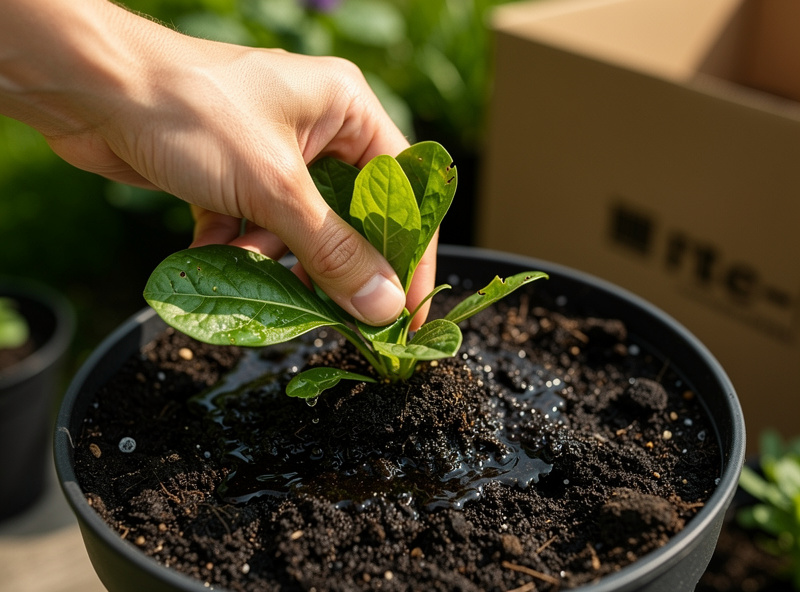
Once plants have recovered from shipping (typically 2-3 days), transplant into prepared containers or garden beds. Use high-quality potting mix appropriate for the plant type, ensuring excellent drainage. Plant at the same depth the plant grew in its nursery pot, neither burying stems nor exposing roots.
Water thoroughly after planting and maintain consistent moisture during the establishment period (4-6 weeks or first growing season). Consider using root stimulator products or mycorrhizal inoculants to encourage rapid root development and reduce transplant shock.
Specialty Plant Categories
Rare and Unusual Specimens
Online nurseries excel at providing rare and unusual plants unavailable locally. From newly introduced hybrid perennials to heritage varieties preserved by specialist growers, the internet connects gardeners with botanical treasures. Join mailing lists of specialty nurseries to receive notifications when rare plants become available, as these often sell within hours.
Native Plants for Ecological Gardens
Native plant specialists offer region-specific species that support local ecosystems, providing food and habitat for native pollinators and wildlife. These plants are often difficult to find at general nurseries but are readily available from online native plant vendors. Ordering natives appropriate to your specific region ensures best establishment and ecological benefit.
Organic and Sustainably Grown
Environmentally conscious gardeners can find certified organic plants grown without synthetic pesticides or fertilizers. These plants are healthier for your garden ecosystem and safer for pollinators. Organic nurseries often use sustainable packaging and shipping practices as well, reducing the environmental impact of your plant purchases.
Cost Considerations and Value
Comparing Total Costs
When evaluating online plant purchases, consider total cost including plants, shipping, and any necessary additional supplies. A plant that seems expensive may actually be good value if it is a large, established specimen that provides immediate impact. Conversely, inexpensive small plants may require years of care before achieving desired size.
Factor in the cost of your time and transportation. Driving to multiple nurseries searching for specific plants consumes fuel and hours. Delivery brings plants directly to you, saving time that can be spent actually gardening rather than shopping.
Volume Discounts and Collections
Many online nurseries offer discounts for volume purchases, making it economical to buy entire border schemes or collection sets at once. Border-in-a-box collections provide coordinated plant selections designed to work together, often at lower cost than purchasing individually. These curated collections ensure harmonious color schemes and compatible growing requirements.
Guarantees and Return Policies
Quality online plant retailers stand behind their products with satisfaction guarantees. Common policies include healthy arrival guarantees, first-season bloom guarantees for bulbs, and replacement or refund options for failed plants. Review guarantee terms before purchasing, understanding time limits for claims and documentation requirements.
If you want to browse live outdoor plants and container-ready shrubs for delivery, look for sellers with strong ratings and climate-appropriate shipping windows — browse outdoor plants for delivery on Amazon. As an Amazon Associate I earn from qualifying purchases.
Frequently Asked Questions
Are plants delivered in good condition?
Plants from reputable online nurseries typically arrive in excellent condition thanks to careful packaging and appropriate shipping timing. Slight wilting from transit is normal and plants recover within 24 hours of watering. Serious damage is rare but should be reported immediately for replacement. Choose vendors with healthy arrival guarantees for peace of mind.
When is the best time to order plants online?
Spring offers the best selection and is ideal for most planting, though autumn provides excellent conditions for establishing woody plants and perennials. Pre-order in winter for rare varieties that sell out quickly. Avoid ordering during extreme weather periods when plants may be damaged in transit.
How long can plants stay in their shipping boxes?
Open packages and water plants as soon as possible after arrival, ideally within 24 hours. Plants can survive short delays if weather is mild, but prompt unpacking is essential for best results. If you cannot plant immediately, place plants in a sheltered location with indirect light and keep soil consistently moist.
Can I return plants if I change my mind?
Return policies vary by retailer. Most accept returns only for damaged or incorrectly shipped plants, not for change of mind. Some offer trial periods during which you can evaluate plant performance. Review policies before purchasing and communicate concerns promptly if plants fail to thrive despite proper care.
Do delivered plants come with potting soil?
Yes, most outdoor plants in pots delivered from nurseries arrive in standard grower’s soil that can support the plant for 3-6 months. However, it is highly recommended to repot the plant into a high-quality container mix containing 30% perlite to ensure long-term health and proper drainage.
Should I fertilize my newly delivered potted plants?
Wait at least 2-3 weeks before applying any fertilizer to newly delivered plants. The stress of shipping makes them highly susceptible to fertilizer burn. Once they have acclimatized to their new environment and show signs of active growth, you can apply a half-strength liquid fertilizer.