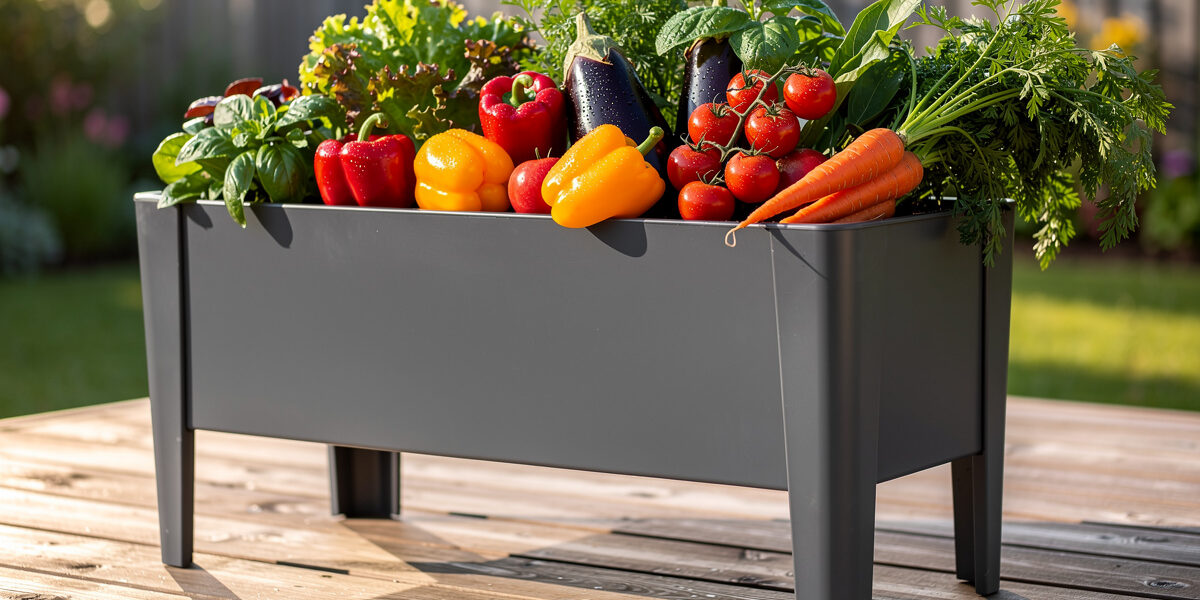
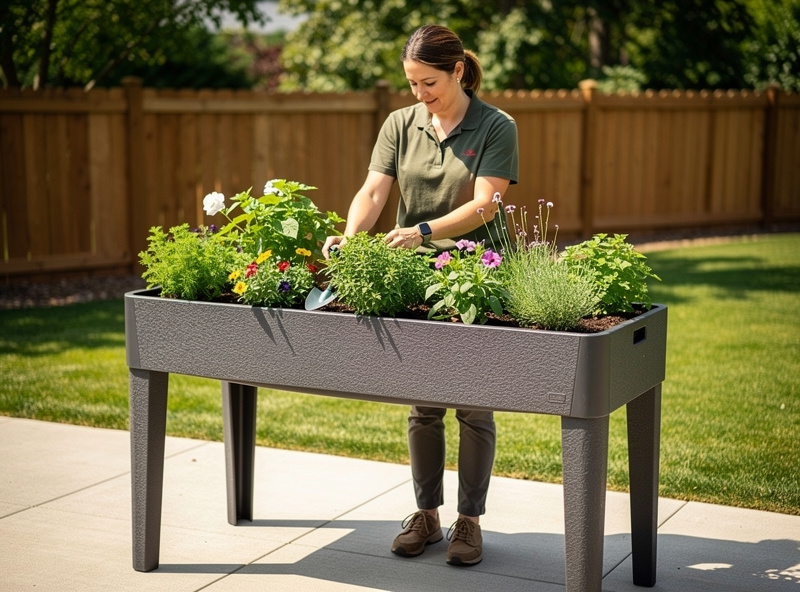
A high-quality plastic elevated planter transforms patio gardening by raising the growing surface 30-36 inches off the ground, effectively eliminating back and knee strain. These durable, UV-stabilized resin containers often feature self-watering reservoirs that cut how often you have to water, while keeping vulnerable crops up off the ground away from rabbits and slugs. NC State Extension frames raised beds, containers, and garden tables as accessible, flexible ways to garden when bending to ground level is not comfortable — which is exactly the problem an elevated planter solves (Accessible Gardening: Raised Beds, Containers, and Garden Tables, NC State Extension). On my own balcony I run an elevated planter for cut-and-come-again greens precisely because harvesting at waist height beats stooping over a floor-level pot.
Why Elevated Planters Are Transforming Container Gardening
For the best vegetables to grow in planters, see best vegetables for urban gardens.
Plastic elevated planters represent one of the most significant innovations in modern container gardening, bringing the benefits of raised bed growing to spaces where traditional ground-level gardening is impossible. These elevated containers combine the mobility and control of container gardening with the ergonomic advantages of raised beds, creating accessible growing solutions for balconies, patios, decks, and anyone who finds bending and kneeling uncomfortable or impossible.
The advantages of elevated growing extend beyond simple convenience. Raised planters warm faster in spring, extending the growing season. They provide excellent drainage that prevents the waterlogging common in ground-level beds. They eliminate competition from tree roots and soil-borne diseases. Perhaps most importantly, they bring gardening to everyone regardless of physical limitations, enabling seniors, people with disabilities, and anyone with back or knee concerns to continue enjoying the therapeutic benefits of growing plants.
Types of Plastic Elevated Planters
For container comparison, check our urban gardening beginner guide.
Self-Contained Elevated Beds
The most common elevated planter design features a rectangular or square growing box elevated on integrated legs, creating a freestanding garden unit. These self-contained systems typically offer 8-12 inches of soil depth suitable for most vegetables and herbs, with total heights ranging from waist-high (30-32 inches) to counter-height (36 inches) or bar-height (40+ inches) depending on ergonomic preferences.
Quality self-contained planters feature sturdy plastic construction that resists UV damage, cracking, and weathering. Double-wall designs provide insulation that moderates soil temperature, protecting roots from both summer heat and winter cold. Look for models with reinforced corners, sturdy leg attachments, and substantial soil capacity (15-30+ gallons) that supports productive plantings without constant watering.
Wheeled Mobile Planters
For ultimate flexibility, wheeled elevated planters combine raised growing with mobility. Heavy-duty casters support substantial weight while allowing you to reposition plants for optimal sun exposure, move tender specimens indoors during extreme weather, or reconfigure your garden layout seasonally. Locking wheels ensure stability once positioned.
Mobile planters excel for intensive vegetable production where strategic movement maximizes growing conditions. Track the sun path across your space and position plants accordingly throughout the season. Wheel containers to sheltered locations when storms threaten, or move heat-loving crops to the warmest microclimates during cold snaps.
Tiered and Stacked Systems
Multi-level elevated planters maximize growing area in minimal footprints. Tiered designs feature stepped planting levels, creating visual interest while accommodating plants with different height requirements. Stacked systems allow vertical expansion, with add-on modules creating tiered gardens that grow upward rather than outward.
These space-efficient designs are perfect for small balconies and compact patios where ground area is severely limited. The vertical orientation creates natural focal points while providing substantially more growing space than single-level alternatives. However, ensure lower tiers receive adequate light when siting tiered planters, as upper levels can shade plantings below.
Convertible and Modular Designs
Innovative elevated planters offer convertible configurations that adapt to changing needs. Some models feature removable legs that allow ground-level use when elevated growing is unnecessary, or adjustable height legs that accommodate users of different statures. Modular systems connect multiple units into custom configurations, growing with your gardening ambitions.
For renters and temporary situations, modular elevated planters disassemble for easy moving, storing flat during relocations, and reconfiguring as needs change. This adaptability justifies higher initial investment by extending useful life across multiple living situations.
Benefits of Plastic vs. Other Materials
Material choice drives almost everything about an elevated planter — how long it lasts, whether your deck can hold it, and how much upkeep it demands. The table below compares plastic against the three other common elevated-planter materials so you can see exactly where UV-stabilized resin wins and where it trades off.
| Material | Lifespan | Weight (empty, 2×4 ft) | Maintenance | Root Insulation | Relative Cost |
|---|---|---|---|---|---|
| Plastic (UV-stabilized resin) | 10-15+ years | Light (20-30 lb) | None — wipe clean | Good (double-wall) | Low-mid |
| Cedar / wood | 5-10 years | Heavy (60-80 lb) | Annual seal or stain | Moderate | Mid |
| Galvanized metal | 15-20 years | Mid-heavy (45-70 lb) | None, but seams can rust | Poor — heats up in sun | Mid-high |
| Fabric (grow-bag style) | 2-5 years | Very light (under 5 lb) | None | Poor — dries out fast | Low |
Durability and Longevity
Quality plastic elevated planters outlast wooden alternatives that eventually rot, warp, and require replacement. UV-stabilized plastics resist sun damage, maintaining appearance and structural integrity for 10-15 years or longer. Unlike wood, plastic will not splinter, crack from freeze-thaw cycles, or require annual maintenance like staining or sealing.
The durability advantage extends to the planter weight-bearing capacity. As wood deteriorates, elevated beds become unstable and potentially dangerous. Plastic maintains consistent strength throughout its lifespan, providing reliable support for soil and plants year after year without degradation.
Weight and Portability
Plastic elevated planters weigh significantly less than equivalent wooden, metal, or ceramic alternatives. This reduced weight makes assembly easier, moving manageable, and rooftop or balcony installation feasible where heavy containers would exceed structural limits. A plastic elevated planter might weigh 20-30 pounds empty versus 60-80 pounds for wood or 100+ pounds for ceramic equivalents.
The weight advantage is particularly valuable for wheeled mobile planters, where reduced weight extends caster life and makes repositioning effortless. Even large elevated planters remain manageable for single-person movement when constructed from lightweight plastics.
Insulation and Root Protection
Double-wall plastic construction creates insulating air spaces that moderate soil temperature dramatically. This insulation protects roots from the extreme heat that builds up in dark-colored containers in full sun, and provides some frost protection during cold snaps that might damage roots in thin-walled alternatives.
Root zone temperature moderation translates directly to plant health. Cooler summer roots produce less stress, better growth, and higher yields than plants struggling with overheated soil. In spring, insulated planters warm faster than ground soil, allowing earlier planting and extending the harvest season.
Maintenance and Hygiene
Plastic surfaces clean easily, resisting the mold, algae, and staining that affect porous materials like wood and terracotta. Smooth interiors prevent soil adherence, making annual cleaning and replanting simple. This hygienic quality reduces disease carryover between seasons, supporting healthier plantings year after year.
When disease does strike, plastic containers can be sterilized with bleach solutions that would damage wood or other materials. This sterilization capability is particularly valuable for preventing soil-borne disease transmission in intensive vegetable gardening.
Best Crops for Elevated Planters
Learn about vertical gardening to maximize your planter space.
Leafy Greens and Herbs
Leafy greens including lettuce, spinach, kale, chard, and Asian greens thrive in elevated planters, appreciating the excellent drainage and accessible height for frequent harvesting. The 8-12 inch soil depth typical of elevated planters perfectly accommodates their relatively shallow root systems. Continuous harvest of outer leaves provides months of production from single plantings.
Herbs are ideally suited to elevated growing, with basil, cilantro, parsley, and annual herbs producing abundantly in the well-drained conditions. Mediterranean herbs including rosemary, thyme, sage, and oregano excel in the warmth that elevated planters provide. The convenient height encourages frequent harvesting that promotes bushy growth and maximizes productivity.
Root Vegetables
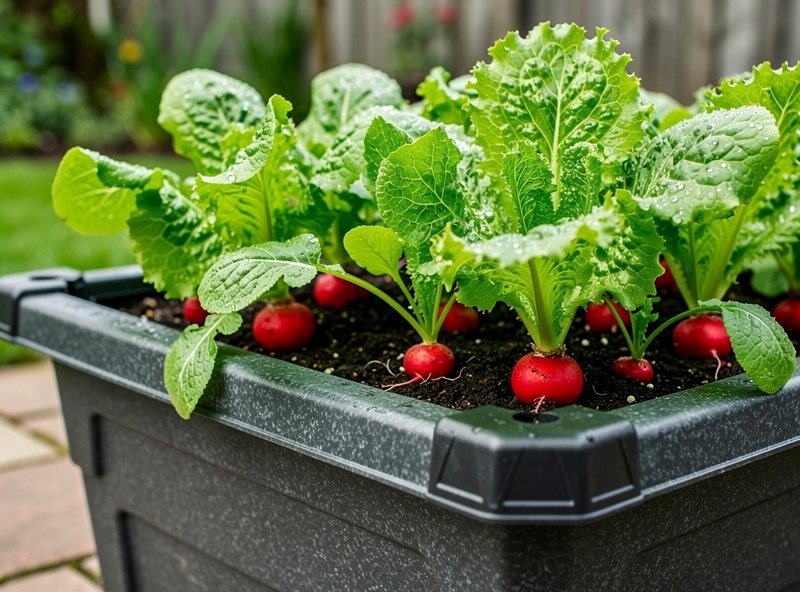
Carrots, radishes, beets, turnips, and other root vegetables grow beautifully in elevated planters, often producing straighter, cleaner roots than ground-grown equivalents. The loose, uncompacted potting mix in elevated planters allows roots to expand without the obstructions and soil compaction common in native ground soil.
Soil depth determines which root crops thrive. Shallow 8-inch planters suit round radishes, beets, and baby carrots. Standard 10-12 inch depths accommodate full-sized carrots and parsnips. For additional root vegetable advice, see our guide on fabric vegetable planters which share similar growing conditions.
Peppers and Eggplants
Peppers and eggplants, both heat-loving vegetables, thrive in the warm, well-drained conditions of elevated planters. The concentrated heat absorbed by dark containers and the excellent drainage these crops prefer create ideal growing environments. Bush varieties and compact hybrids are particularly well-suited to the space constraints of elevated growing.
The elevated position places these attractive plants at eye level, showcasing their colorful fruits and making pest monitoring and harvesting convenient. Container growing also reduces soil-borne diseases that plague these crops in ground plantings.
Compact Tomato Varieties
While indeterminate tomatoes require more soil depth than most elevated planters provide, determinate (bush) varieties and compact hybrids excel in elevated containers. Varieties like “Patio Princess,” “Tiny Tim,” and “Red Robin” produce full-sized tomatoes on plants under 2 feet tall, perfectly suited to elevated planter dimensions.
Cherry and grape tomatoes on compact vines also perform well, cascading over planter edges or supported by small cages. The elevated position keeps fruits clean and accessible while reducing ground pest pressure. For larger tomato growing, consider deeper containers discussed in our guide on giant plastic plant pots for trees and large vegetables.
Strawberries and Compact Fruits
Strawberries are exceptional candidates for elevated growing, appreciating the excellent drainage and providing easy access for harvesting. The elevated position prevents many ground-dwelling pests and keeps fruits clean and accessible. Alpine strawberries and compact day-neutral varieties produce all season in elevated planters.
Bush berries including compact blueberry varieties (in acidic soil mix), dwarf raspberries, and trailing blackberries can thrive in larger elevated planters with adequate soil volume. The controlled soil conditions of container growing allow precise pH adjustment that berries require.
Flowers and Ornamentals
Beyond vegetables, elevated planters showcase flowering annuals, perennials, and ornamental grasses beautifully. The raised position brings flowers to eye and nose level, displaying their colors and making fragrance accessible. Thriller-filler-spiller combinations create stunning elevated displays that serve as garden focal points.
Consider elevated planters for showcasing prized specimens that deserve prominent display. A special rose, unusual perennial, or architectural grass becomes a living sculpture when elevated above surrounding plantings.
Setup and Planting Guide
Avoid common gardening mistakes with elevated planters.
Location Selection
Site elevated planters where they receive appropriate light for your intended crops. Most vegetables require 6-8 hours of direct sun, though leafy greens tolerate partial shade. Consider proximity to water sources, as elevated planters require frequent watering and carrying water long distances becomes tiresome quickly.
Ensure the surface beneath can support the planter weight when filled. Elevated planters full of wet soil and mature plants can weigh 100-200 pounds. Decks, patios, and balconies must structurally handle this load. Place protective mats beneath planters on wood decks to prevent staining and moisture damage.
Assembly and Preparation
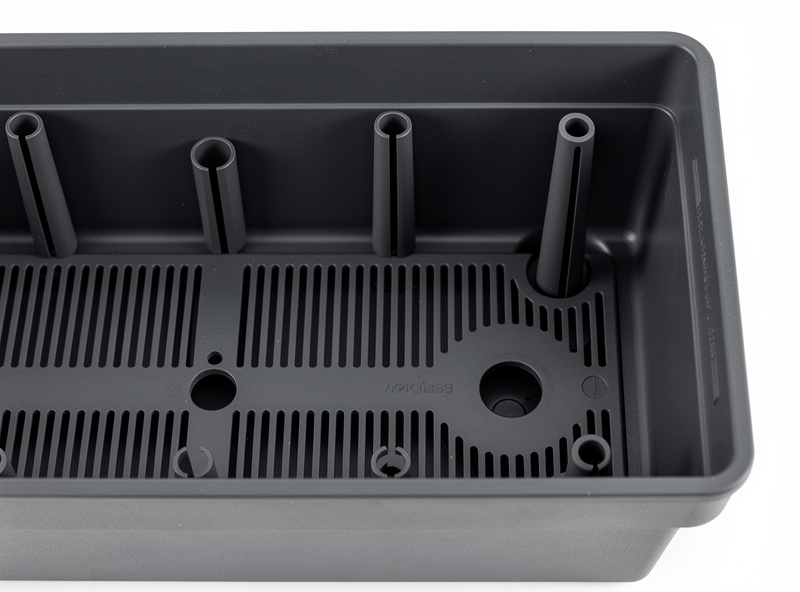
Follow manufacturer instructions carefully during assembly, ensuring all screws are tight and connections secure. Test stability before filling with soil, confirming the planter sits level and does not wobble. Install any included drainage systems or water reservoirs according to directions.
Some elevated planters include fabric liners that separate soil from the container walls, improving drainage and preventing soil contact with plastic. Install these liners properly to ensure they do not block drainage holes or create water pockets.
Soil and Filling
Fill elevated planters with high-quality potting mix, never garden soil which compacts and drains poorly in containers. For vegetables, choose organic potting mixes formulated for edibles, or create custom blends of equal parts peat moss or coir, compost, and perlite or coarse sand for drainage. Purdue University’s container and raised-bed guidance makes the same point — these methods are the answer for gardeners who lack the space or physical ability for a traditional in-ground plot, provided the soil mix is built for drainage rather than dug from the garden (Container and Raised Bed Gardening, Purdue University).
Fill to within 1-2 inches of the top rim, leaving space for watering without overflow. Level the soil surface, creating a slight depression around the perimeter that channels water toward center plantings. Moisten soil thoroughly before planting to settle the mix and eliminate air pockets.
Care and Maintenance
Watering Techniques
Elevated planters dry out faster than ground-level beds due to increased air exposure around the container. Check moisture daily during hot weather, watering when the top 2 inches feel dry. Water thoroughly until liquid drains from the bottom, ensuring the entire root zone is moistened.
Self-watering elevated planters with reservoir systems reduce watering frequency significantly. Fill reservoirs regularly, checking levels weekly or more often during hot spells. The combination of elevated growing and water reservoirs creates the lowest-maintenance intensive gardening system available.
Fertilization Strategy
Incorporate slow-release organic fertilizer into the potting mix at planting time, following package rates for the container volume. Supplement with liquid organic fertilizer (fish emulsion, seaweed extract, or compost tea) every 2-3 weeks during the growing season to support continuous vegetable production.
Heavy-feeding vegetables like tomatoes and peppers benefit from additional side-dressing of compost mid-season. Top-dress with 1-2 inches of compost annually when refreshing plantings to replenish organic matter and nutrients depleted by intensive growing.
Seasonal Care Calendar
Spring planting begins when soil temperatures support germination and transplant survival. Refresh soil by removing 25% and replacing with fresh potting mix and compost. Summer care focuses on consistent watering, pest monitoring, and harvesting. Autumn involves final harvests, cleanup, and either winter protection or storage depending on climate and planter durability.
In cold climates, consider emptying and storing elevated planters during winter to extend their lifespan, or wrap with bubble wrap to protect both container and any overwintering perennials. For additional seasonal container advice, explore our guide on all year round flowers for pots.
Comparative Advantages
Elevated vs. Ground Beds
Elevated planters eliminate the soil preparation, weeding, and pest management challenges of ground-level gardening while providing superior drainage and soil control. They bring gardening to paved surfaces, balconies, and areas with poor native soil. However, they require more frequent watering and cannot accommodate deep-rooted crops like standard tomatoes or asparagus.
Elevated vs. Traditional Containers
Compared to standard pots on the ground, elevated planters offer ergonomic advantages that make gardening accessible to everyone. The raised height eliminates bending and kneeling while providing ample growing area that exceeds typical decorative containers. However, they occupy more floor space and represent a larger investment than simple container groupings.
Plastic vs. Wood Elevated Planters
Plastic elevated planters outlast wood alternatives significantly while requiring no maintenance. They weigh less, resist moisture damage, and clean easily. Wood offers aesthetic warmth that some gardeners prefer, but requires ongoing maintenance and eventual replacement. For most gardeners, plastic durability and convenience outweigh aesthetic considerations.
If you are sizing up an elevated planter, waist-height designs eliminate bending and keep containers accessible on any balcony or patio — browse plastic elevated planters on Amazon. As an Amazon Associate I earn from qualifying purchases.
Frequently Asked Questions
How deep should an elevated planter be?
Most vegetables thrive in 8-12 inches of soil depth, which is the standard for elevated planters. Leafy greens, herbs, and radishes manage in 6-8 inches. Root vegetables like carrots need 10-12 inches. Tomatoes and deep-rooted crops require more depth than typical elevated planters provide, making bush varieties better choices.
Do elevated planters need drainage holes?
Absolutely yes, proper drainage is essential for plant health. Quality elevated planters include drainage systems that prevent waterlogging while retaining adequate moisture. Ensure drainage holes remain unobstructed by soil, elevating the planter slightly if necessary to promote water escape. Self-watering models drain excess while maintaining reservoirs.
Can I leave plastic elevated planters outside in winter?
Quality plastic planters withstand winter conditions in most climates, though extreme cold can eventually cause brittleness. In harsh winter climates, emptying planters and storing them in protected locations extends their lifespan significantly. If leaving outdoors, ensure drainage holes remain open to prevent ice expansion damage from trapped water.
Are elevated planters worth the investment?
For gardeners with physical limitations, space constraints, or poor native soil, elevated planters provide exceptional value by making gardening accessible and productive. The ergonomic benefits alone justify costs for many users, while the extended growing season and superior growing conditions enhance productivity. Consider them long-term investments that enable years of comfortable gardening.
How much soil does a plastic elevated planter hold?
A standard 2×4 foot plastic elevated planter typically holds between 4 and 6 cubic feet of potting soil. Because the planter is raised, it is critical to use a lightweight, well-draining container mix incorporating 30% perlite rather than heavy garden topsoil, which could exceed the weight capacity of the planter’s legs.
What are the best crops to grow in a plastic elevated planter?
The best crops for a plastic elevated planter are shallow-rooted, high-yield vegetables and herbs. Bush beans, lettuce, spinach, radishes, strawberries, and culinary herbs like basil and cilantro thrive in the 8-12 inch depth. Avoid planting large, indeterminate tomatoes or deep-rooting vegetables like parsnips, which quickly outgrow the available space.