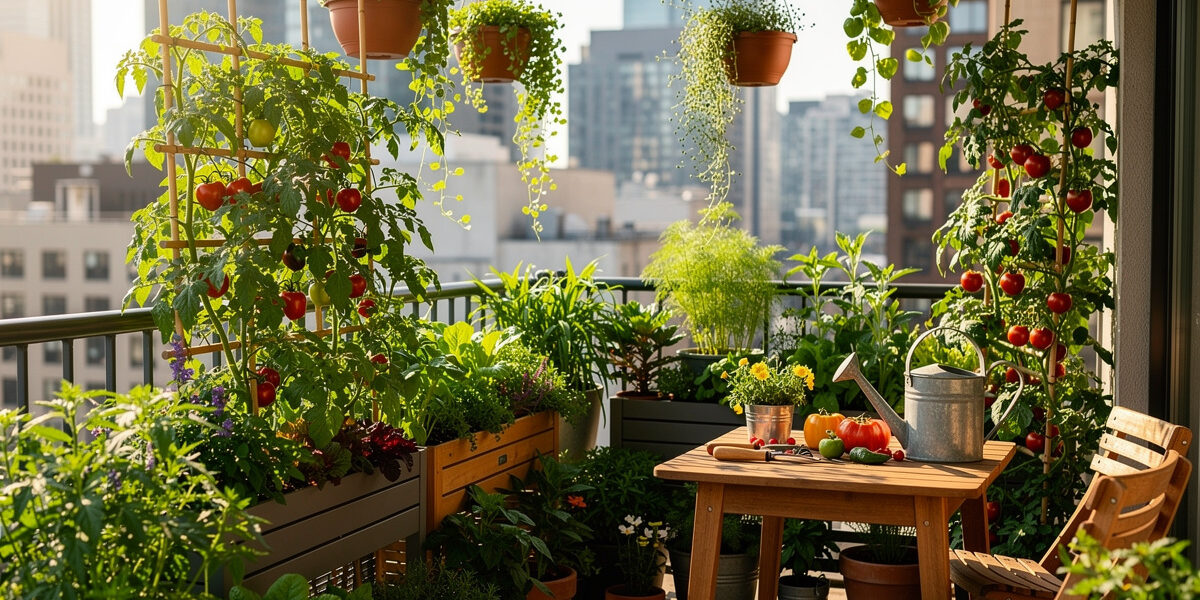
Balcony gardening transforms limited outdoor space into a productive, green sanctuary that rewards urban dwellers with fresh food, measurable mental health benefits, and a tangible connection to nature. A standard 20-square-foot balcony can produce 15-25 pounds of fresh produce annually through strategic vertical growing, high-yield container varieties, and smart irrigation systems. Beyond the harvest, a balcony garden reduces ambient temperatures by 5-8°F during peak summer months through evapotranspiration, lowers cortisol levels by 15-20% with just 15-30 minutes of daily interaction, and saves $200-450 per year on grocery costs for herbs and leafy greens alone. This comprehensive guide covers every aspect of balcony gardening from microclimate assessment to year-round crop planning, with specific variety recommendations, step-by-step setup instructions, and seasonal maintenance protocols that turn any balcony — from a cramped apartment ledge to a sprawling wraparound terrace — into a productive growing space. For the broader 12-month roadmap that includes balconies, see grow a garden in the city. For broader layouts beyond balconies, see our small space garden ideas with 15 picks.
For a complete overview of urban growing techniques, see our urban gardening beginner guide. If you are specifically interested in indoor options, explore our guide to growing plants indoors.
The Benefits of Balcony Gardening
Transforming your balcony into a garden offers benefits that extend far beyond fresh vegetables. Understanding these benefits helps you prioritize your investment of time and money.
Psychological and Health Benefits
Interaction with plants on a balcony garden has been shown to lower cortisol levels by up to 20% in just 15-30 minutes of daily exposure. The American Psychological Association notes that gardening is one of the most effective stress-reduction activities available, combining physical movement with proximity to nature. For apartment dwellers without yards, a balcony garden provides the closest equivalent to having a private outdoor space for relaxation and mindfulness. The act of tending plants — watering, pruning, harvesting — creates a meditative routine that anchors daily life with purpose and accomplishment.
Economic Value and Food Security
Even a small balcony garden generates measurable economic returns. A focused balcony gardener growing herbs, leafy greens, and compact vegetables saves $200-450 annually on grocery costs. Cherry tomatoes alone can produce $40-80 worth of fruit from a single $3 seedling over a season. High-value herbs like basil, mint, and parsley that cost $3-5 per bunch at the grocery store grow abundantly in containers for mere cents per harvest. For a full breakdown of starting a complete garden for under $50, see our urban gardening on a budget guide. Beyond direct savings, a balcony garden provides food security — a 10-20% contribution to fresh produce needs buffers against supply disruptions, price inflation, and grocery store availability issues.
Environmental Impact
A tomato grown on your balcony has zero transportation miles versus one shipped 1,500 miles from a commercial farm. Urban gardens reduce packaging waste, decrease carbon emissions from food transportation, and support local pollinators. Plants on balconies also contribute to the urban heat island mitigation — a garden of 10 containers can reduce ambient balcony temperature by 5-8°F through evapotranspiration, decreasing air conditioning costs for the apartments below.
Microclimate Advantages
Balcony gardens create localized microclimates that can outperform ground-level gardens in specific ways. Elevated soil temperatures in spring allow 2-3 weeks earlier planting than ground gardens. Balconies with good sun exposure receive more direct light than ground-level gardens surrounded by shading structures. The controlled environment also means fewer soil-borne pests and diseases than traditional outdoor gardens.
Understanding Your Balcony’s Microclimate
Before purchasing a single plant or container, you must understand your specific balcony conditions. The four factors that determine what you can successfully grow are sunlight, wind, temperature, and moisture.
Assessing Sunlight Exposure
Track sunlight patterns across your balcony for a full day at minimum, though three days provides more reliable data. Note the time when direct sun begins and ends, and identify any shadows cast by buildings, neighboring structures, or awnings. Divide your balcony into zones: full-sun areas (6+ hours), partial-sun areas (3-6 hours), and shade areas (less than 3 hours). Sun exposure changes seasonally — a balcony in full sun during summer may receive heavy shade from neighboring buildings in winter when the sun angle is lower. For most vegetables, 6-8 hours of direct sun is optimal, but leafy greens and many herbs produce well with just 3-4 hours. If your balcony receives less than 3 hours of direct sun, focus on shade-tolerant crops like lettuce, spinach, parsley, and mint rather than fruiting vegetables.
Evaluating Wind Exposure
Wind is the most overlooked balcony gardening factor and the source of many failures. Upper-floor balconies experience significantly more wind than ground-level gardens. Test your wind exposure by observing how旗帜飘动,or place a damp towel on your balcony and time how quickly it dries — fast drying indicates significant wind. Excessive wind transpires moisture from leaves faster than roots can absorb it, causing stress and wilting even when soil is moist. It can also physically damage brittle stems, knock over lightweight containers, and make outdoor living uncomfortable. Heavy wind exposure requires windbreaks, sturdy containers, and wind-tolerant plant selections.
Temperature Considerations
Balcony temperatures differ from ground-level readings due to reflected heat from walls, radiation from windows, and microclimate variations. South-facing balconies collect heat and can exceed ambient air temperature by 10-15°F on sunny days. Concrete and brick balconies retain heat well into the evening, extending the growing season in fall. However, these same surfaces can create brutal heat stress in summer if plants are not adequately watered. North-facing balconies remain cooler and may struggle to ripen heat-loving crops like tomatoes and peppers. Invest in a simple outdoor thermometer to track actual balcony temperatures before making planting decisions.
Humidity and Moisture Patterns
Balconies in urban environments often have lower ambient humidity than suburban or rural gardens due to reflected heat from pavement and buildings. This accelerates moisture loss from both plants and soil. Conversely, some balconies — particularly those enclosed by glass walls or surrounded by other buildings — can trap humidity and create fungal disease conditions. Observe your balcony through one full week before committing to a planting strategy.
Essential Balcony Garden Systems
Choosing the right growing system determines your productive capacity, maintenance requirements, and harvest potential. Each system has distinct advantages suited to different conditions and goals.
| System Type | Best For | Weight (Wet) | Initial Cost | Yield Potential |
|---|---|---|---|---|
| Railing Planters | Herbs, Strawberries, Compact Greens | 15-25 lbs per unit | $15-40 each | High per square foot |
| Vertical Tower / Pocket Systems | Leafy Greens, Herbs, Strawberries | 40-80 lbs assembled | $30-100 per tower | Extreme per square foot |
| Large Pots (15″+ diameter) | Tomatoes, Peppers, Deep-Rooted Crops | 60-120 lbs per pot | $20-50 each | Moderate overall |
| Fabric Grow Bags | Root Vegetables, Potatoes, Tomatoes | 30-90 lbs depending on size | $8-25 each | High per dollar invested |
| Self-Watering Planters | Busy Gardeners, Vacation Protection | 50-100 lbs per unit | $25-60 each | High with minimal effort |
| Elevated Planters on Legs | Ergonomic Gardening, Accessibility | 40-80 lbs per unit | $40-100 each | Moderate to High |
Most successful balcony gardeners combine multiple systems: railing planters for herbs, large pots for tomatoes, vertical towers for lettuce, and fabric grow bags for root vegetables. Start with one or two systems and expand as you learn what works in your specific space.
Railing Planters: Maximizing Rail Space
Railing planters attach to the inside or outside of balcony railings, utilizing vertical space that would otherwise go unused. They are particularly effective for herbs, strawberries, and compact greens that do not require deep soil. When selecting railing planters, verify the mounting system is appropriate for your railing type — some use C-clamps for horizontal rails, others use bracket systems for vertical bars. Safety-rated brackets that distribute weight and lock into place are essential for upper-floor balconies where a falling planter could be dangerous. Choose models with adequate drainage holes and saucers to prevent water damage to your balcony floor or drip onto neighbors below.
Vertical Towers: Growing Up, Not Out
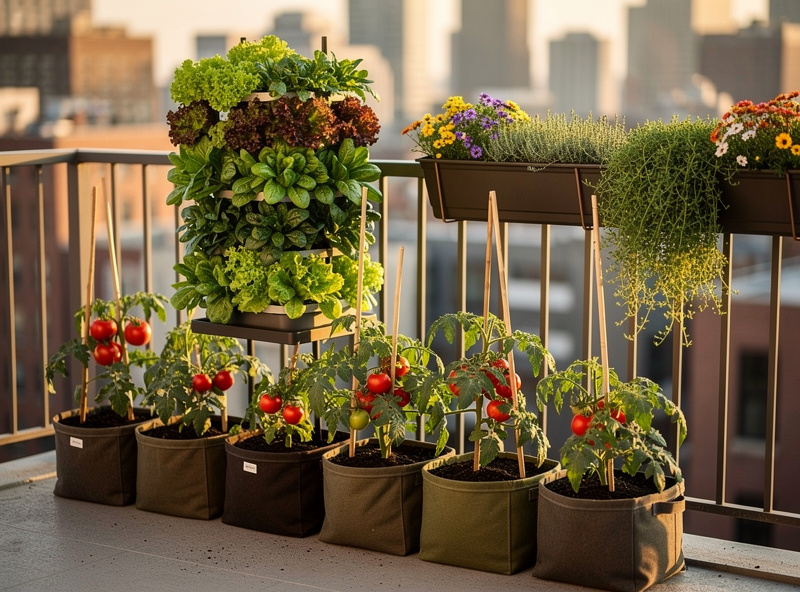
Vertical growing systems are essential for balconies under 30 square feet where floor space is at a premium. Tower systems use vertical space to produce 20-30 plants in the footprint of a single large container. Pocket-style vertical planters work well for shallow-rooted crops like lettuce, spinach, and herbs. Tower-style planters with deeper pockets accommodate strawberries and compact vegetables. When siting vertical systems, place them where they receive adequate light — a vertical system in shade produces nothing regardless of how well it is watered. Rotate tower positions mid-season if light distribution is uneven. Weight is a consideration: a fully saturated 20-pocket vertical tower can weigh 60-80 pounds. Ensure your railing or wall can support the weight when fully watered.
Large Containers for Fruiting Crops
Tomatoes, peppers, eggplant, and cucumbers require large containers with adequate root depth to produce meaningful harvests. The minimum container size for a single tomato plant is 5 gallons, though 10-15 gallons produces significantly better results. A 15-gallon fabric grow bag or large terracotta pot accommodates one indeterminate tomato plant or two compact pepper plants. When selecting large containers, consider weight — a 15-gallon container filled with saturated soil weighs 90-120 pounds. Position large containers in permanent locations rather than where you might need to move them. For additional elevated growing options, see our guide to raised beds and planters. Place near structural walls where the building provides wind protection and where weight is well-supported by the building’s structure.
Fabric Grow Bags: Air-Pruning Benefits
Fabric grow bags have revolutionized balcony vegetable gardening by solving root-circling problems that plague rigid containers. When roots reach the fabric edge, air exposure prunes the root tip, causing the plant to branch into a denser root network rather than circling endlessly. This air-pruning effect increases root mass by up to 40% compared to traditional containers, translating to better nutrient uptake and higher yields. Fabric bags are also lightweight, portable, and fold flat for off-season storage. They dry out faster than rigid containers in summer heat, so monitor moisture levels daily during hot weather. For winter gardening, fabric bags should be moved to sheltered locations or insulated with bubble wrap to prevent root damage from freezing.
Self-Watering Containers for Busy Gardeners
Self-watering containers feature a reservoir at the base that wicks moisture upward into the soil via capillary action. This design provides consistent soil moisture, reduces watering frequency by up to 70%, and is particularly valuable for gardeners who travel or have inconsistent schedules. The reservoir also acts as a buffer against heat stress during hot weather. However, self-watering containers require careful setup — the overflow hole must be positioned correctly to prevent waterlogging, and the wicking system requires initial setup to ensure consistent moisture distribution throughout the soil. They are heavier than standard containers when filled and should be positioned in their permanent location before adding soil and plants.
Maximizing Small Spaces: Vertical Strategies
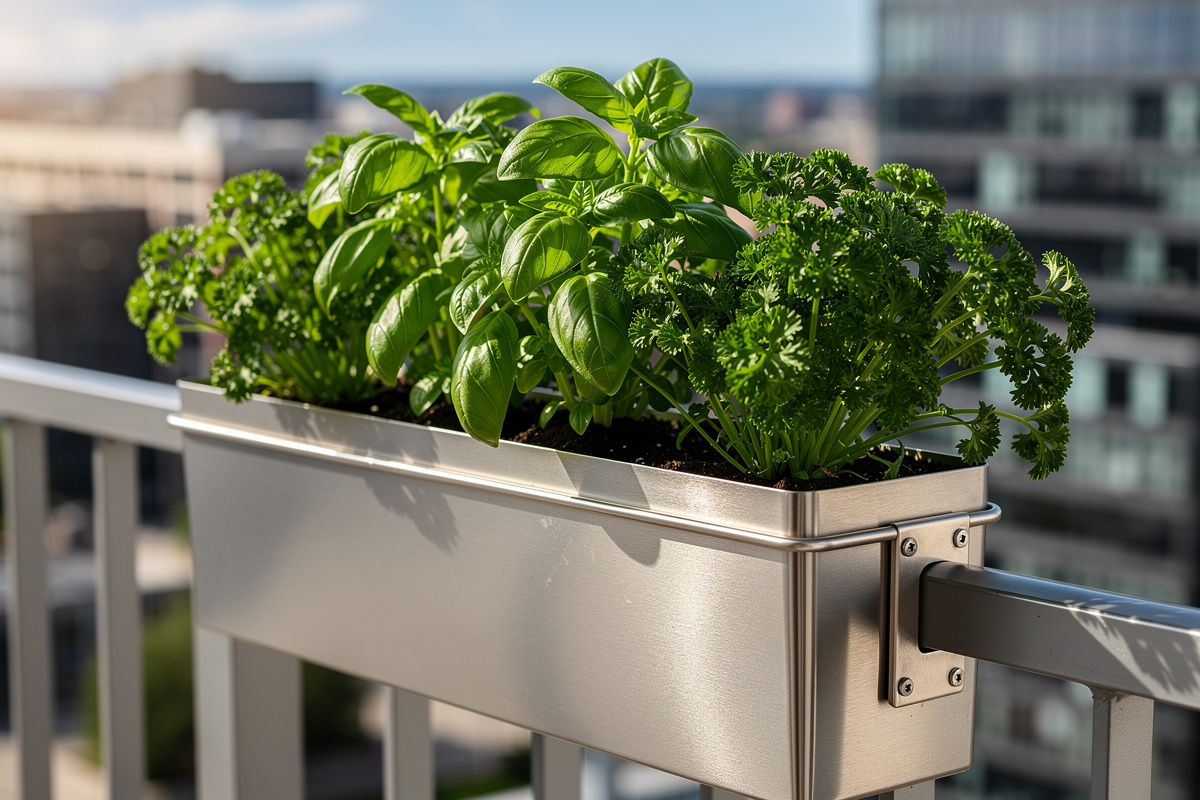
The most common mistake in balcony gardening is treating your balcony like a ground-level garden — placing all containers on the floor and ignoring vertical surfaces. By utilizing walls, railings, and overhead structures, you can triple your productive growing area on the same square footage.
Wall-Mounted Pocket Planters
Blank walls are among the most underutilized balcony assets. A 4×6 foot wall-mounted pocket planter can hold 24-36 individual plants without consuming any floor space. These systems work best for shallow-rooted crops: lettuce varieties, spinach, chives, parsley, and compact herbs like thyme and oregano. Install pocket planters on walls that receive adequate sun — south or west-facing walls for maximum light exposure. Use sturdy mounting hardware rated for the weight when fully saturated. Pocket planters dry out faster than ground-level containers due to increased air circulation, so choose a location near a water source or plan for daily watering during summer heat.
Trellises and Climbing Structures
Vining crops like tomatoes, cucumbers, and pole beans naturally grow upward when given support. A simple trellis mounted on a wall or railing transforms a 2-foot-wide strip of floor space into a 6-foot vertical growing column. For tomatoes, a sturdy cage or stake supports the main stem while the plant grows 4-6 feet tall over a season. For cucumbers and beans, a net trellis provides climbing surface for the tendrils. Compact bush varieties of tomatoes and determinate cucumbers do not require trellising and are better suited for railing planters where vertical space for support is limited.
Hanging Baskets and Elevated Planters
Hanging baskets utilize overhead space that would otherwise be empty. Position them from ceiling hooks, railing hooks, or overhead structures. Hanging baskets work well for trailing herbs like trailing rosemary and cascading cherry tomatoes, strawberries that cascade over the edges, and lettuce varieties that benefit from air circulation which reduces fungal disease pressure. The primary challenge with hanging baskets is watering — water must be carried up and poured carefully to avoid drips on neighbors or balcony floors below. Self-watering hanging baskets with reservoirs significantly reduce this challenge. Consider the weight of saturated hanging baskets when planning installation — a 12-inch hanging basket can weigh 15-25 pounds when watered.
Stacking and Tiered Systems
Stacking containers or using tiered shelving multiplies productive area within the same floor footprint. Step-style shelving units designed for outdoor use provide multiple levels of growing surface. Place the tallest plants on the top tier where they receive maximum sun, and position shade-tolerant crops on lower tiers. Rolling utility carts with multiple levels provide flexibility — you can reposition entire growing units to optimize light exposure throughout the day. When using stacking systems, ensure each level receives adequate light — plants on lower levels of dense shelving can become etiolated ( leggy, pale) from insufficient light even in an otherwise sunny location.
Choosing the Best Containers and Planters
Container selection directly impacts plant health, maintenance requirements, and harvest success. For a broader overview of container growing techniques, see our complete guide to container gardening. The right container provides adequate root space, proper drainage, and appropriate moisture retention for your specific crops and climate.
Container Size Requirements by Crop
Root space is the most critical factor in container productivity. Crowded roots produce stunted, unproductive plants regardless of other care factors.
| Crop Type | Minimum Container Size | Optimal Container Size | Soil Depth Required |
|---|---|---|---|
| Herbs (basil, cilantro, parsley) | 6 inches deep, 6 inches wide | 8-10 inches deep, 10 inches wide | 6-8 inches |
| Leafy Greens (lettuce, spinach, arugula) | 6 inches deep, 8 inches wide | 8-12 inches deep, 12 inches wide | 6-10 inches |
| Radishes / Green Onions | 6 inches deep, 6 inches wide | 8 inches deep, 10 inches wide | 6-8 inches |
| Peppers (compact varieties) | 5 gallons (10 inches deep) | 7-10 gallons (12 inches deep) | 10-12 inches |
| Tomatoes (bush / determinate) | 5 gallons (12 inches deep) | 10-15 gallons (14+ inches deep) | 12-14 inches |
| Eggplant | 5 gallons | 10 gallons | 12 inches |
| Cucumbers (bush varieties) | 5 gallons | 10 gallons | 12 inches |
| Beans (bush) | 2 gallons | 5 gallons | 8 inches |
| Carrots (short varieties) | 8 inches deep | 12 inches deep | 8-12 inches |
Container Material Comparison
Different materials affect moisture retention, root temperature, durability, and cost in distinct ways that should guide your selection. Whatever container you choose, the soil inside matters more than the pot — see our complete soil and compost guide for mixing the right blend for container vegetables.
Fabric Grow Bags: The best all-around choice for most balcony vegetables. Excellent drainage and air-pruning prevent root circling. Lightweight and portable. Dries out faster in summer heat. Lifespan 2-4 growing seasons.
Plastic and Resin Containers: Inexpensive, lightweight, and widely available in all sizes. Retain moisture well but can overheat roots in full sun. Brittle in freezing temperatures. Lifespan 3-5 seasons.
Terracotta and Clay Pots: Porous walls allow roots to breathe and regulate moisture naturally. Heavier and more stable in wind. Dry out quickly in summer heat. Can crack in freezing temperatures. Lifespan 5-15 seasons depending on quality.
Self-Watering Containers: Built-in reservoir reduces watering frequency. Heavier and more expensive. Require proper setup to function correctly. Best for busy gardeners or hot climates.
Wood and Cedar Planters: Natural appearance that blends well with outdoor spaces. Provide some insulation against temperature extremes. Will eventually rot unless made from rot-resistant cedar or redwood. Lifespan 5-10 years for cedar.
Choosing the Best Plants for Your Balcony
Not all plants thrive in the unique conditions of a balcony environment. Wind stress, reflected heat from walls, variable light, and container root constraints require specific plant selections and sometimes specialized varieties bred for compact container growing.
Herbs: The Highest ROI Balcony Crops
Herbs offer the best return on investment for balcony gardeners in terms of cost savings per square foot. A single basil plant produces $20-40 worth of fresh leaves over a season. Herbs take minimal space, produce continuously with regular harvesting, and tolerate the variable conditions of balcony life better than most vegetables.
Sun-Loving Herbs (6+ hours direct sun): Basil varieties (Genovese for pesto, Spicy Globe for compact growth, Thai basil for Asian dishes) thrive in full sun with consistent moisture. Rosemary (upright or trailing varieties) tolerates drought once established and produces for years in a large container. Thyme varieties (French thyme for cooking, creeping thyme for ground cover effect) tolerate some shade and poor soil. Oregano provides a hardy, perennial presence in a sunny container. Sage appreciates afternoon shade in hot climates but requires excellent drainage.
Shade-Tolerant Herbs (2-4 hours direct sun): Mint grows aggressively in partial shade but must be confined to its own container — it spreads rapidly via runners and will overtake other plants. Parsley (flat-leaf Italian parsley has better flavor than curly) tolerates shade well and provides continuous harvest. Chives are nearly indestructible in containers and tolerate significant shade. Cilantro bolts quickly in heat — grow it in spring and fall in hot climates, or provide afternoon shade in summer. Lemon balm provides lemon-scented leaves for tea and tolerates partial shade well.
Vegetables for Balcony Success
Compact vegetable varieties bred specifically for containers produce well in balcony conditions. The key is selecting the right variety — standard garden varieties almost always fail in containers.
Tomatoes: Choose determinate or compact indeterminate varieties that stay under 24 inches. Tiny Tim and Micro Tom stay under 12 inches and produce abundant cherry tomatoes in tiny containers. Patio Princess reaches 18-24 inches and produces full-size cherry tomatoes. Tasmanian Chocolate reaches 24-30 inches and produces larger tomatoes on compact plants. Avoid indeterminate varieties that grow 6-10 feet — they require large containers, heavy staking, and produce poorly in balcony conditions.
Peppers: Snack-sized sweet peppers and hot chili peppers are naturally compact and produce abundantly in containers. Lunchbox peppers produce sweet, colorful mini bell peppers on compact 18-inch plants. Shishito peppers produce prolific yields of mild Japanese peppers on 24-inch plants. Thai chili and Apache chili produce hot peppers on compact plants that thrive in the reflected heat of balcony walls. Avoid bell peppers — they require larger containers and longer seasons than most balcony environments provide.
Leafy Greens: Lettuce, spinach, arugula, and mixed greens are among the most productive balcony crops. Cut-and-come-again varieties provide multiple harvests from a single planting. Black Seeded Simpson, Buttercrunch, and Red Sails perform particularly well in containers. For Asian greens, tatsoi and bok choy tolerate shade better than lettuce varieties. Grow leafy greens in spring and fall — they bolt (go to seed) quickly in summer heat unless provided with afternoon shade.
Root Vegetables: Compact root vegetables can produce well in deep containers. Short carrot varieties like Parisian and Thumbelina reach only 3-4 inches and require only 6-8 inches of soil depth. Radishes mature in 25-30 days and are ideal for succession planting. Green onions regrow indefinitely from grocery store scraps — cut the roots and plant them in soil, harvesting the greens repeatedly.
Beans and Peas: Bush bean varieties like Provider and Blue Lake produce well in 5-gallon containers. Peas (Sugar Snap, Oregon Sugar Pod) climb lightweight trellises and produce for several weeks. Both fix nitrogen in the soil, benefiting neighboring plants.
Edible Flowers and Compact Fruits
Strawberries are perhaps the most rewarding compact fruit for balcony gardeners. Day-neutral varieties like Albion and Seascape produce continuously from spring through fall rather than in a single burst. A single strawberry plant in a hanging basket or railing planter produces 1/2 to 1 pound of fruit per season. Compact blueberry varieties like Top Hat stay under 24 inches and produce actual blueberries on a balcony with adequate sun. For more compact fruit options, see our guide to small garden trees and shrubs. For detailed variety recommendations, see our guide on best plants for apartment balconies.
Step-by-Step Balcony Garden Setup
Proper setup prevents the failures that discourage most new balcony gardeners. Follow these steps in sequence for a professional-grade installation.
Step 1: Assess and Plan
Before purchasing anything, spend three days observing your balcony space. Track sunlight from sunrise to sunset on day one. Measure the exact dimensions of your usable floor space, railing space, and wall space on day two. On day three, test your wind by observing flag movement, placing a damp towel to measure drying time, and noting which areas feel breezy versus sheltered. Document everything with photos from the same positions each day. This information determines every subsequent decision.
Step 2: Calculate Weight Capacity
Most modern residential balconies support 60-100 pounds per square foot. This may sound generous, but a single 15-gallon fabric grow bag filled with saturated soil weighs 90-120 pounds. A fully planted and watered balcony with 10 containers can easily exceed 500 pounds total. Position heavy containers (tomato pots, large planters) near structural walls or corners where the building’s support is strongest. Avoid placing heavy items near balcony edges where structural support is typically weaker. If you are uncertain about your balcony is weight capacity, consult your building is documentation or ask a structural engineer.
Step 3: Gather Your Initial Setup
For a basic starter setup, you will need: three to five containers totaling 15-20 gallons of capacity, 2 cubic feet of quality potting mix, a hand trowel, a watering can or hose attachment, a small bag of perlite for drainage improvement, and slow-release granular fertilizer. Total initial investment: $50-100. Start with easy crops — herbs in railing planters and lettuce in a vertical tower — before investing in large tomato containers.
Step 4: Prepare Containers and Soil
Ensure every container has adequate drainage holes — at least one 1/2-inch hole per 10 square inches of bottom surface. Drill additional holes if needed. Place a broken pottery shard or large stone over each drainage hole to prevent soil escaping while allowing water to flow through. Fill containers with potting mix to within 1 inch of the rim — leave space for watering. Do not compress soil when filling — keep it loose to maintain aeration. For heavy-feeding crops like tomatoes and peppers, mix 2 tablespoons of slow-release granular fertilizer into the top 3 inches of soil before planting.
Step 5: Plant and Position
Plant seedlings at the same depth they were growing in their nursery pots. The exception is tomatoes — plant them deeper, burying 2-3 inches of stem, which will develop into additional roots along the buried portion. After planting, water thoroughly until water flows from the drainage holes. Position containers in their permanent locations immediately — moving planted containers risks damaging stems and disturbing roots. Place sun-loving plants in the sunniest positions and reserve shadier spots for shade-tolerant crops.
Advanced Balcony Care: Watering and Nutrition
Watering is the most critical and most challenging aspect of balcony gardening. Container soil dries 2-3 times faster than ground soil due to increased air circulation, higher temperatures, and wind stress. Successful balcony gardeners develop consistent watering routines and learn to read their plants and soil.
The Finger Test: Your Primary Watering Tool
Insert your index finger 2 inches into the soil. If it feels moist, wait. If it feels dry, water thoroughly until water flows freely from the drainage holes. This simple test prevents 90% of watering mistakes. During summer heat above 85°F, small containers may require watering twice daily — once in early morning and once in late afternoon. In spring and fall, once-daily watering is usually sufficient. In cool or cloudy weather, containers may go 2-3 days between waterings. The finger test tells you definitively whether watering is needed regardless of schedule.
Drip Irrigation for Consistency
A drip irrigation system with a battery-powered timer provides consistent watering and dramatically reduces daily maintenance time. A basic system consists of a hose adapter, tubing that runs along your balcony, and individual drippers at each container. Timers allow you to set watering duration and frequency precisely — 5 minutes of drip irrigation in early morning provides more consistent moisture than hand watering in bursts. During heat waves, supplement with hand watering for any containers that show wilting despite drip irrigation. The initial investment in a drip system ($30-80) pays back in time saved within the first season.
Nutrition and Fertilizing
Container plants depend entirely on you for nutrients. Potting mix provides nutrition for approximately 4-6 weeks after planting. After that, regular fertilizing is essential for healthy growth and abundant harvests. Use a balanced liquid fertilizer (10-10-10 or similar) diluted to half strength every 7-14 days during active growth. For fruiting crops like tomatoes and peppers, switch to a bloom-formula fertilizer (higher phosphorus and potassium) once flowers appear to support fruit development. Organic options include fish emulsion, kelp meal tea, and compost tea. Over-fertilizing causes salt buildup that damages roots — when in doubt, use less fertilizer more frequently rather than more fertilizer less often.
Seasonal Planning for Year-Round Production
Balcony gardens can produce food year-round in most climates with proper seasonal planning. Understanding your local frost dates and seasonal weather patterns allows you to time plantings for maximum production.
Spring Planning (March-May in temperate climates)
Spring is the highest-energy planting season. As temperatures warm and daylight increases, plants grow rapidly. Start cool-season crops (lettuce, spinach, radishes, peas) 4-6 weeks before the last expected frost. These crops tolerate light frost and establish quickly. Wait to plant warm-season crops (tomatoes, peppers, basil) until nighttime temperatures consistently stay above 50°F. Cold-sensitive plants set out too early become stunted and often never recover, while cool-season crops thrive in spring conditions and produce harvests before summer heat arrives.
Summer Management (June-August)
Summer is peak production season for warm-season crops and the most demanding maintenance period. Heat stress, increased watering needs, and pest pressure require vigilant attention. Harvest tomatoes and peppers frequently to encourage continued production. Pinch basil tops regularly to prevent flowering and promote bushiness. In hot climates, provide afternoon shade for lettuce and cool-season greens to extend their productive season. Morning watering during summer allows foliage to dry before evening, reducing fungal disease pressure.
Fall Growing (September-November)
Fall offers a second cool-season growing window. Plant cool-season crops again in late summer or early fall for harvest through Thanksgiving in mild climates. Garlic planted in fall overwinters and produces the following spring — plant individual cloves 2 inches deep in a 1-gallon container. Evaluate your summer crops — most tomatoes and peppers produce into fall if given protection from early frosts. A lightweight row cover or frost blanket draped over plants provides 4-8°F of cold protection and extends the season by several weeks.
Winter Options (December-February)
Winter balcony gardening depends on your climate. In mild climates (USDA zones 8-10), cold-hardy greens like kale, spinach, and chard produce year-round with minimal protection. In colder climates, winter production is limited to bringing herbs and microgreens indoors under grow lights, or using cold frames and heavy row covers to extend the season into early winter. Accept that winter is a planning and preparation season — use the downtime to plan next year’s layout, order seeds, clean and repair containers, and amend potting soil for spring planting.
Troubleshooting Common Balcony Problems
Even experienced balcony gardeners encounter occasional problems. Systematic diagnosis leads to effective solutions.
Yellowing Leaves
Yellow leaves indicate stress, but the cause varies by pattern. Lower leaves yellowing typically indicates nitrogen deficiency — apply a balanced liquid fertilizer. All leaves pale yellow may indicate overwatering (roots drowning) or underwatering (roots too dry to function). Upper leaves yellowing suggests micronutrient deficiency or pH imbalance. Yellow leaves with brown spots or patches may indicate fungal or bacterial disease — remove affected leaves and improve air circulation.
Wilting Despite Moist Soil
Plants wilt when they cannot move water from roots to leaves faster than it evaporates from leaves. In hot, windy conditions, even well-watered plants may wilt temporarily in afternoon heat — this is normal and they recover in the evening. Persistent wilting with moist soil indicates root damage from overwatering, root rot from poor drainage, or root damage from compacted soil. Check drainage holes are clear and soil is not compacted. If root rot is suspected, unpot the plant, trim any brown/mushy roots, and repot in fresh soil.
Leggy, Stretched Growth
Leggy growth with long gaps between leaves indicates insufficient light. Plants stretch toward available light, producing weak stems and sparse leaves. Move plants to a sunnier location, or supplement with a compact LED grow light positioned 6-12 inches above the foliage. Leggy seedlings started indoors need gradual hardening off in increasingly bright light over 7-10 days before transplanting outdoors.
Pest Problems
Aphids cluster on tender new growth and excrete sticky honeydew. Remove them with a strong spray of water or apply insecticidal soap. Spider mites cause stippled, yellowing leaves and fine webbing on leaf undersides — increase humidity around affected plants and apply neem oil. Fungus gnats appear as tiny flies around soil surfaces — they indicate overwatering and can be controlled by allowing soil to dry between waterings and using yellow sticky traps. For persistent infestations, see our fungus gnat elimination guide.
Wind Damage
On upper floors, wind shreds leaves, snaps brittle stems, and tips over lightweight containers. Protect plants by positioning large containers near walls for windbreaks. Use heavy containers or fabric grow bags weighted with wet soil. Avoid tall, top-heavy plants like mature basil that catch wind. Choose compact, flexible-stemmed varieties that tolerate some movement without breaking. Stake individual plants with bamboo supports in windy locations.
Extending Your Growing Season
Simple season-extension techniques allow you to harvest earlier in spring and later into fall, effectively extending your productive season by 4-8 weeks in each direction.
Cold Frames and Row Covers
A lightweight frost blanket draped over plants on cold nights provides 4-8°F of cold protection. This is often enough to keep cool-season crops alive through light frosts that would otherwise kill them. For more protection, a cloche (transparent cover that traps solar heat) creates a mini-greenhouse around individual containers. Plastic gallon milk jugs with bottoms cut off serve as improvised cloches for small plants. In spring, these techniques allow planting 2-3 weeks before the last frost. In fall, they extend harvest through the first frosts.
Mulching for Temperature Regulation
A 2-inch layer of organic mulch (straw, shredded bark, or compost) on the soil surface moderates soil temperature swings. Without mulch, container soil can heat to 100°F or higher on sunny summer days, damaging roots. Mulch insulates the root zone, keeping it cooler in summer and warmer in early winter. In summer, mulch also reduces moisture evaporation from the soil surface, decreasing watering frequency.
Frequently Asked Questions
How much sun does a balcony garden need?
Most vegetables require 6-8 hours of direct sunlight daily for optimal fruit production. However, leafy greens (lettuce, spinach) and many herbs can thrive with as little as 3-4 hours of sun. Shade-tolerant herbs like mint, parsley, and cilantro produce well with minimal direct sun. Always match your plant selection to your balcony’s specific light exposure — a north-facing balcony with 2-3 hours of sun can still produce herbs and greens but will not support fruiting vegetables without supplemental grow lights.
Can I grow a garden on a very small balcony?
Yes, a balcony as small as 15-20 square feet can support a productive garden using vertical growing techniques. By using railing planters and wall-mounted pocket systems, you can grow 20-30 individual plants without consuming floor space. Focus on high-value, compact crops like herbs, leafy greens, and cherry tomatoes in containers that fit your available footprint.
How heavy is a balcony garden?
A fully saturated 5-gallon container of soil weighs approximately 40-50 pounds. A 15-gallon fabric grow bag filled with wet soil weighs 90-120 pounds. When planning your garden, assume a load of 100 pounds per square foot of container area. Most modern balconies are rated for 60-100 lbs per square foot, so position heavy containers near structural walls and distribute weight across the balcony rather than concentrating it in one area.
What are the easiest vegetables for balcony beginners?
Cherry tomatoes (Tiny Tim or Patio Princess varieties), lettuce and salad greens, radishes, and herbs (basil, mint, chives) are the most foolproof crops for beginners. They grow quickly (30-60 days to first harvest), tolerate some beginner mistakes, and produce visible results that build confidence. Start with these forgiving crops before attempting more demanding vegetables like cucumbers or eggplant.
How do I prevent water from dripping onto my neighbors?
Use deep saucers under all pots and choose self-watering containers with built-in reservoirs that prevent overflow. When watering, apply water slowly to allow it to soak into the soil rather than running off the surface. Never fill saucers to the point of overflowing. Position containers with drainage holes over your own balcony space rather than over railings where water would drip on neighbors below.
What should I grow on a windy upper-floor balcony?
Choose compact, wind-tolerant plants like herbs (rosemary, thyme, sage), compact vegetables (bush beans, dwarf peppers), and ornamental grasses. Avoid tall, top-heavy plants like large basil or indeterminate tomatoes that catch wind. Position sturdy containers near walls for wind protection. Use fabric grow bags which flex in wind rather than toppling. Stake individual plants with bamboo supports driven deep into the container soil.
Related Articles
- Urban Gardening: Complete Beginner Guide
- How to Create a Small Balcony Garden — Step by Step
- Vertical Gardening: Complete Guide to Growing Up Not Out
- Best Planters for Railings: Complete Buyer Guide
- Best Plants for Apartment Balconies — Sun and Shade Varieties
- 12 Balcony Herb Garden Ideas for Small Spaces
- Growing Plants Indoors: Complete Guide to Indoor Gardening
- Fungus Gnats in Houseplants: Complete Identification and Elimination Guide