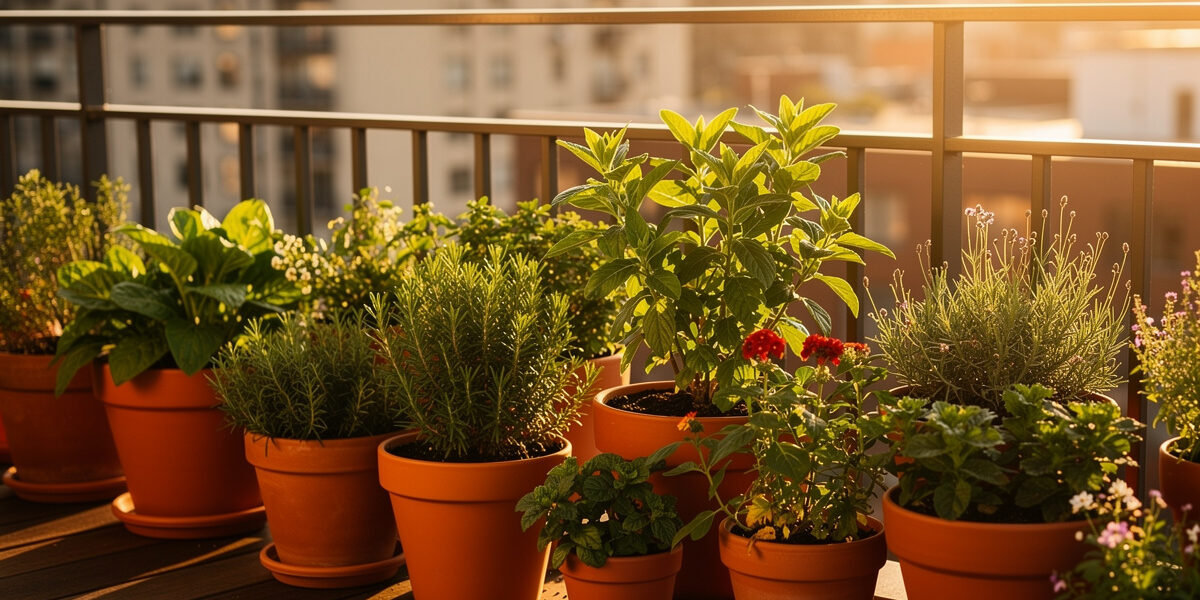
Container gardening is how I grow most of my food — fabric bags on the balcony, self-watering planters on the rail, and a few pots under LED through the dark Nordic months. It is also the method that suits a city apartment best: with the right container, a quality potting mix, and a consistent watering rhythm, you can grow a serious amount of food in the square footage a balcony or patio actually gives you. University of Maryland Extension’s container-vegetable guidance is the reference I align my own setup with — matching container size to the crop, building a free-draining mix, and watering to the root zone rather than the surface (Growing Vegetables in Containers, UMD Extension). New to gardening entirely? Start with our how to start a garden step-by-step guide. Containers are stage one of our grow a garden in the city roadmap.
Understanding Container Types and Materials
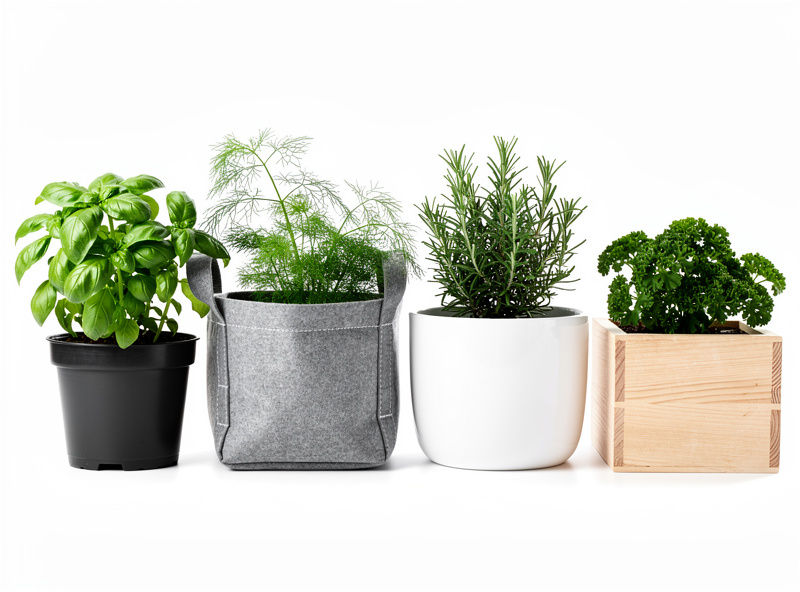
The container you choose determines root temperature, watering frequency, and how many seasons the pot survives. I have run fabric bags, plastic, terracotta, and self-watering planters side by side on the same balcony through the same seasons — and they behave very differently. Fabric bags breathe and prevent root circling but dry out fast. Terracotta looks beautiful and wicks moisture through the walls but cracks in freeze-thaw cycles. Plastic is cheap and durable but heats up in full sun and can cook roots. Self-watering planters with wicking reservoirs are the closest thing to set-and-forget I have found for herbs and leafy greens. The table below compares all four across the metrics that matter for a small-space grower.
Selecting the right container material profoundly impacts root health, soil temperature, and moisture retention. Traditional terracotta breathes well but dries quickly, needing markedly more frequent watering during peak summer heat. Modern synthetic options offer distinct advantages for both amateur and commercial growers. For instance, plastic elevated planters provide excellent moisture retention and ergonomic benefits, raising the growing surface 30-36 inches off the ground to eliminate back strain while deterring ground-level pests.
When selecting containers for larger specimens, stability and root space become paramount. Using giant plastic plant pots for trees ensures that substantial root systems have the required 20-30 gallons of volume to anchor the plant against wind while providing sufficient insulation during winter dormancy. The non-porous nature of heavy-duty plastic prevents the rapid evaporation that often stresses container-grown trees in mid-summer.
The Rise of Fabric Containers in Modern Gardening
Fabric containers have revolutionized both home and commercial growing by fundamentally changing how plant roots interact with their environment. Unlike rigid plastic or ceramic pots where roots circle the smooth interior walls, fabric vegetable planters utilize air-pruning technology. When roots reach the breathable fabric edge, exposure to air causes the root tip to dehydrate and branch into a fibrous, dense network rather than circling.
This enhanced root structure directly translates to better nutrient uptake and higher yields, particularly for fast-growing annual crops. For growers expanding their operations, purchasing grow bags wholesale is a cost-saving strategy that drops per-unit container cost substantially compared to retail garden center prices, while ensuring uniform container quality across the entire planting area.
Container Material Comparison Table
| Container Material | Moisture Retention | Root Pruning | Durability | Average Cost (5-Gallon) |
|---|---|---|---|---|
| Fabric (Grow Bags) | Low (Dries faster) | Excellent (Air pruning) | 3-5 Years | $3.00 – $6.00 |
| High-Density Plastic | High (Retains moisture) | Poor (Root circling) | 10+ Years | $8.00 – $15.00 |
| Terracotta / Clay | Medium (Porous) | Poor (Root circling) | 15+ Years (Fragile) | $12.00 – $25.00 |
| Wood / Cedar | Medium (Insulating) | Moderate | 5-8 Years | $20.00 – $40.00 |
| Metal / Galvanized | High (Can overheat) | Poor (Root circling) | 10+ Years | $25.00 – $45.00 |
Sourcing Plants for Your Containers
While starting from seed offers the most economical path, purchasing established plants accelerates your harvest timeline by 4-8 weeks. When having outdoor plants in pots delivered directly to your home, it is crucial to inspect the root ball upon arrival and acclimatize the plants gradually over 3-5 days before exposing them to full sun, a process known as hardening off that prevents transplant shock.
Choosing the Right Potting Soil for Containers
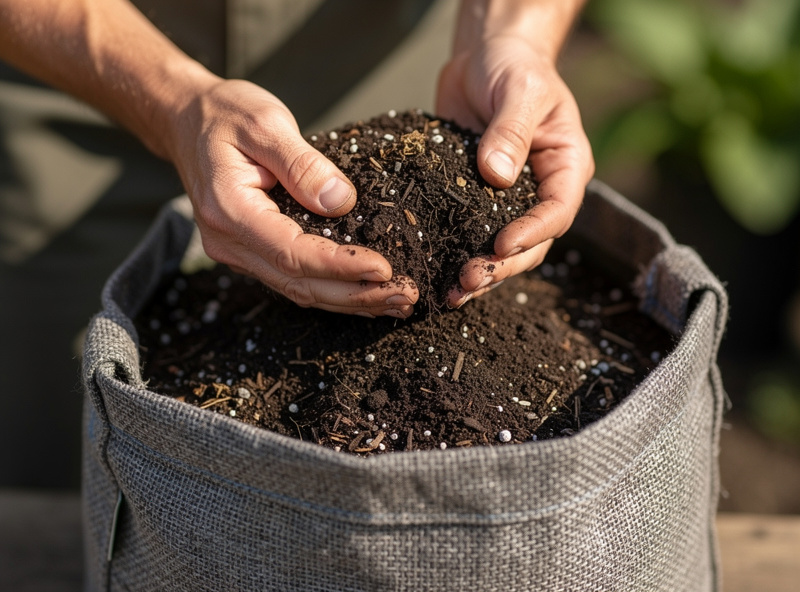
Bagged potting mix straight from the bag is the most common beginner mistake I see — and the one I made myself. It compacts in a container within 4-6 weeks, drowning roots. My own mix is roughly 40% coco coir, 30% perlite, and 30% compost plus worm castings from my worm bin — it drains fast, holds nutrients, and stays loose through a full growing season. Skip garden soil entirely for containers; it carries pathogens and the clay particles seal drainage holes.
Never use garden soil or topsoil in containers. Native soil lacks the necessary drainage capabilities when confined to a pot, quickly compacting into a dense, anaerobic block that suffocates roots. High-quality container potting mixes are engineered to balance moisture retention with aeration, typically incorporating 30-40% peat moss or coco coir, 20-30% perlite or vermiculite, and 30-40% aged compost or pine bark. Oregon State Extension’s container-planting guidance makes the same point — larger, free-draining containers with a proper mix are what keep potted crops productive, and skimping on the mix is the fastest way to a failed container garden (Container Planting, OSU Extension [PDF]).
For heavy-feeding vegetables like tomatoes and peppers, amending standard potting mix with a slow-release granular fertilizer ensures steady nutrient availability during the critical first 60 days of vegetative growth. Refreshing the top 2-3 inches of soil with fresh compost mid-season can reinvigorate tired plants without requiring a full repotting.
Watering Strategies for Container Gardens
Container watering is a rhythm, not a schedule. In my setup, summer watering is daily before 10 AM — fabric grow bags on a south-facing balcony dry out by mid-afternoon in July. Self-watering planters with reservoir inserts stretch the interval to 2-3 days. The rule: finger in the soil to the second knuckle, dry at the tip means water until it runs out the bottom. In winter, I water maybe once a week — cold wet soil is a root-rot factory in a Nordic climate.
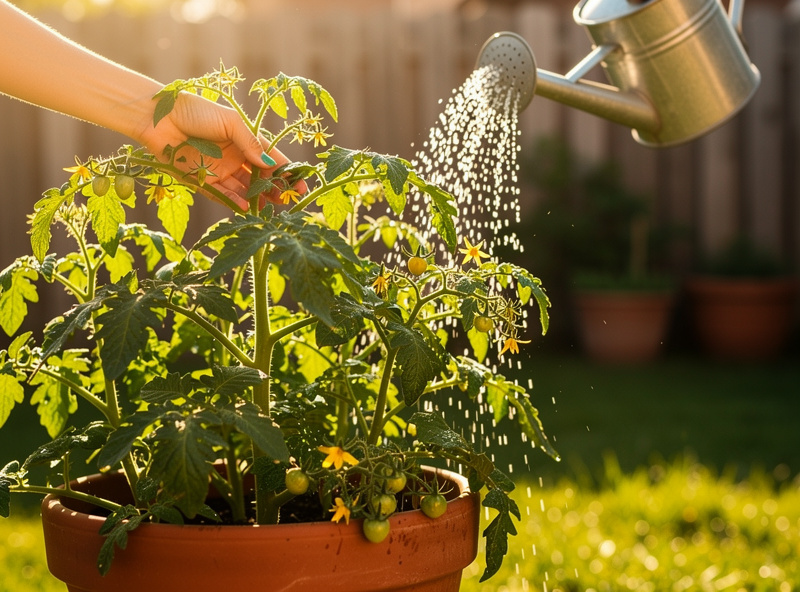
Proper irrigation remains the most challenging aspect of container gardening. Unlike in-ground plants that can seek deep moisture reserves, potted plants rely entirely on the gardener. During peak summer temperatures (above 85°F), containers under 5 gallons may require watering twice daily to prevent wilting. Establishing a consistent routine—ideally early morning to allow foliage to dry before nightfall—significantly reduces fungal disease pressure.
A drip irrigation system with programmable timers takes most of the manual watering labor out of container gardening, delivering precise amounts of water directly to the soil surface. This method minimizes runoff waste and maintains optimal soil moisture levels, which is particularly critical for preventing blossom end rot in fruiting vegetables.
Common Pests and Diseases in Potted Plants
While elevated and isolated from many soil-borne pathogens, container plants are not immune to pests. Aphids, spider mites, and fungus gnats frequently target the tender new growth of stressed potted plants. Regular monitoring—inspecting the undersides of leaves at least twice weekly—allows for early intervention before populations explode.
Applying insecticidal soap or neem oil at the first sign of infestation usually provides effective control. For fungal issues like powdery mildew, improving air circulation by spacing containers 12-18 inches apart and avoiding overhead watering are the most effective preventative measures.
Seasonal Container Gardening: Year-Round Success
Extending the harvest season in containers requires strategic planning and a clear understanding of plant hardiness. Because elevated soil lacks the insulating mass of the earth, root zones in containers experience temperature fluctuations that are 10-15°F more extreme than ground soil. In early spring, this rapid warming works to the gardener’s advantage, allowing seeds to germinate 2-3 weeks earlier than they would in traditional garden beds.
However, during the dog days of summer, these same temperature swings can severely stress root systems. Dark-colored plastic containers can easily reach internal temperatures exceeding 100°F on sunny, 90-degree days, essentially cooking the root systems of sensitive crops like lettuce and cilantro. Mitigating this risk involves wrapping containers in reflective material, grouping pots closely together so the foliage of taller plants shades the containers of smaller ones, or transitioning to breathable fabric bags that naturally dissipate heat through evaporative cooling.
As autumn approaches, container gardens transition from heat management to frost protection. Covering containers with specialized frost blankets can raise the ambient temperature around the foliage by 4-8°F, significantly prolonging the lifespan of tender perennials and late-season vegetables. For severe winter climates, moving perennial containers against a south-facing brick wall or into an unheated garage provides the necessary shelter to prevent the freeze-thaw cycles that commonly shatter ceramic pots and severely damage dormant root structures.
Advanced Techniques: Companion Planting in Containers
Maximizing yield in the limited real estate of a container necessitates the adoption of companion planting principles. By combining plants with varying root depths, growth habits, and nutrient requirements within a single large pot, gardeners can achieve a diverse harvest while naturally deterring pests. A classic example is the “thriller, filler, and spiller” design concept, adapted for edible crops.
For instance, planting a tall, deep-rooted tomato plant (the thriller) in the center of a 15-gallon container provides the vertical structure. Surrounding the base with shallow-rooted basil or bush beans (the fillers) maximizes the use of surface area without competing for the same deep soil nutrients. Finally, trailing crops like creeping thyme or nasturtiums (the spillers) drape over the edges, creating a living mulch that shades the soil surface, suppresses weed germination, and noticeably slows moisture evaporation.
Furthermore, integrating pungent herbs like marigolds, chives, or garlic near susceptible vegetables acts as an olfactory camouflage, confusing destructive insects like aphids and hornworms. Marigolds in particular release naturally occurring compounds from their roots called alpha-terthienyl, which significantly suppresses root-knot nematodes—a microscopic soil pest that can devastate container-grown nightshades.
Designing a Balcony or Patio Container Garden
Urban environments present unique microclimates that heavily influence container gardening success. Balconies situated on the upper floors of high-rise buildings often deal with intensified wind sheer, which accelerates transpiration rates and can physically damage brittle stems. Heavy planters—such as broad, low-profile wooden boxes—provide necessary ballast, while installing permeable windbreaks like bamboo screens reduces wind velocity without entirely blocking essential air circulation.
Sunlight assessment is equally critical in urban spaces where adjacent structures cast long, shifting shadows. Track the sunlight patterns across your balcony for an entire day before purchasing plants. Fruiting vegetables like tomatoes and eggplants absolutely require a minimum of 6-8 hours of direct, unfiltered sunlight to produce meaningful yields. Conversely, if a patio receives only 3-4 hours of dappled morning light, the focus must shift entirely to shade-tolerant crops such as spinach, Swiss chard, arugula, and woodland herbs.
Weight limitations also dictate balcony garden design. Wet soil is incredibly heavy; a standard cubic foot of saturated potting mix weighs approximately 60-70 pounds. Utilizing lightweight fiberglass or high-density polyethylene containers instead of heavy concrete or terracotta significantly reduces the structural load. Mixing perlite into the growing medium further decreases the overall weight while simultaneously improving drainage and aeration for healthier root development.
The Economics of Container Gardening
While often perceived as an expensive hobby, container gardening can yield significant returns on investment when approached methodically. The initial capital outlay for high-quality containers, premium potting soil, and foundational tools represents the bulk of the expense. However, by leveraging wholesale purchasing strategies for supplies like fabric bags and buying bulk compressed coco coir instead of pre-mixed bags, initial costs drop substantially.
The true economic value emerges during the harvest. Growing high-value, perishable items like fresh organic herbs, heirloom cherry tomatoes, and gourmet salad greens yields the fastest payback. A single $4 basil plant housed in a $5 container with $3 worth of soil can easily produce $40-$60 worth of fresh herbs over a four-month growing season, effectively paying for its setup costs within the first four weeks of harvesting.
To further improve long-term economics, gardeners must view their potting soil as a renewable asset rather than a disposable commodity. Instead of purchasing entirely new soil each spring—a significant recurring cost—recharging the existing medium with inexpensive bulk compost, worm castings, and slow-release organic fertilizers restores the necessary nutrient profile and microbial life for a fraction of the cost of new commercial blends.
Ready to build your container garden? A mix of 5, 7, and 10-gallon fabric grow bags covers tomatoes, peppers, leafy greens, and root vegetables with room to expand — browse container garden starter kits on Amazon. As an Amazon Associate I earn from qualifying purchases.
Container Gardening in a Nordic Climate
Most container-gardening advice is written for a temperate climate with a long, reliable summer. In a Nordic apartment, the constraints flip: the outdoor season is short, the last frost is late, and the winter light drops so low that nothing on the balcony is productive for months. The container setup has to be built around that reality, not around advice written for a gardener with a May-to-October outdoor window.
The short outdoor season: on my balcony the reliable outdoor growing window runs roughly late May through September — about four months. That is not enough time to grow heat-loving crops like peppers or melons from seed outdoors, which is why I start everything indoors under LED in March and move hardened-off plants to the balcony only after the last frost. Containers are what make that indoor-to-outdoor migration possible at all; a fabric grow bag full of soil moves with the plant, and the air-pruned root system handles the transition with less shock than a root-bound plastic pot would.
The dark months indoors: from October through March my balcony is essentially dormant, so the indoor container shelf takes over. This is where self-watering planters, fabric pots under LED bars, and a free-draining mix earn their keep — the goal is steady, low-maintenance production under artificial light, not maximum yield. Cut-and-come-again greens, herbs, and day-neutral strawberries are the crops that justify the electricity through winter; fruiting crops like tomatoes are not worth the light cost indoors when the season is short. The indoor strawberry setup and windowsill herb shelf are the two indoor container projects that run most reliably for me through the dark months.
Freeze-thaw and overwintering: a container that stays outdoors through a Nordic winter faces freeze-thaw cycles that crack terracotta and heave the root ball. For perennials and shrubs I overwinter in containers, the rule is simple — either move the pot to a sheltered but frost-protected spot, or insulate the container itself. Frost-proof terracotta (high-fired) survives where ordinary terracotta shatters, and fabric bags stored dry fold flat. For the cold-climate shrub and perennial details, the shrubs for pots guide covers winter root protection in depth.
Balcony weight and wind: two constraints the temperate-climate advice never mentions. Wet soil is heavy, and a row of saturated containers can approach a balcony’s load limit — I place the largest pots directly over a structural joist and lean on lightweight resin and fabric for the biggest volumes. Wind on an exposed upper-floor balcony accelerates drying and snaps brittle stems, so low-profile, broad containers and a permeable windbreak matter more than they would in a sheltered garden.
Organic vs. Synthetic Fertilizers in Containers
The confined environment of a container amplifies the effects of whichever fertilization regimen you choose. Synthetic, water-soluble fertilizers deliver nutrients in a readily available chemical form that plants can absorb almost instantly. This provides a rapid response, visible within 48-72 hours, making it an excellent tool for correcting acute nutrient deficiencies. However, synthetic salts can accumulate in the potting mix over time. Without regular, heavy flushing (watering until 20% of the volume drains out the bottom), this salt buildup can eventually burn delicate root hairs and stunt plant growth.
Conversely, organic fertilizers—derived from plant, animal, or mineral sources like kelp meal, bone meal, or rock phosphate—rely on soil microbiology to break down complex compounds into plant-available nutrients. Because most commercial potting mixes are essentially sterile out of the bag, organic gardeners must actively introduce beneficial microbes by inoculating their soil with high-quality compost or mycorrhizal fungi supplements.
The primary advantage of the organic approach in containers is sustainability and safety. Organic nutrients release slowly over 4-6 weeks, providing a steady baseline of nutrition without the risk of root burn or dangerous salt accumulation. For optimal results, many experienced container gardeners employ a hybrid approach: incorporating slow-release granular organics into the soil at planting, supplemented by occasional weak doses of liquid kelp or fish emulsion during peak fruiting phases.
Diagnosing Container Gardening Failures
Even seasoned gardeners face occasional setbacks. When a container plant begins to fail, a systematic diagnostic approach is essential. The overwhelming majority of issues stem from improper watering rather than disease or pests. Symptoms of overwatering (yellowing leaves, drooping despite wet soil, fungal gnats) look remarkably similar to underwatering (yellowing leaves, crispy edges, drooping) to the untrained eye. The definitive test is always checking the moisture level two inches below the soil surface before adding water.
If watering is correct, the next suspect is nutrient lockout. This occurs when the pH of the container soil drifts too far from the optimal range of 6.0-7.0, rendering essential minerals chemically unavailable to the roots regardless of how much fertilizer is applied. Municipal tap water, which is often highly alkaline, can slowly raise soil pH over months of watering. A simple soil pH test kit can confirm this issue, which is usually rectified by flushing the soil or applying a mild, water-soluble acidifier.
Finally, consider environmental stress. A plant moved abruptly from the sheltered environment of a nursery greenhouse to a harsh, windy, sun-baked patio will inevitably suffer severe transplant shock. Leaves may scorch, turn white, or drop entirely. Gradual acclimatization, providing temporary afternoon shade, and ensuring the root zone remains consistently moist (but not waterlogged) during the first two weeks of transition are crucial steps for ensuring long-term survival and productivity.
Hydroponic Principles in Container Gardening
Modern container gardening has increasingly borrowed techniques from commercial hydroponics to maximize yields in small spaces. Passive hydroponic systems, such as self-watering containers or sub-irrigated planters (SIPs), utilize a water reservoir located at the base of the pot. Soil wicks moisture upward via capillary action, providing a constant, optimal level of hydration directly to the root zone without the risk of surface evaporation or overhead fungal issues. This method uses substantially less water than traditional top-watering, while the consistent availability of moisture and dissolved nutrients tends to accelerate growth compared with hand-watering that swings between wet and dry.
Advanced growers often transition from peat-based soils to inert, soilless media like 100% coco coir or expanded clay pebbles. When using these sterile mediums, the gardener assumes complete control over the plant’s nutritional intake, utilizing precise liquid nutrient regimens tailored to the specific vegetative or blooming phase of the crop. While this requires a higher degree of monitoring—particularly regarding pH and electrical conductivity (EC)—the resulting explosive growth and massive yields make it an attractive option for dedicated urban farmers.
However, blurring the lines between soil and hydroponics requires careful attention to drainage and aeration. Even in a SIP system, an overflow hole must be present to prevent the reservoir from flooding the aerobic root zone during heavy rains. Incorporating a highly porous structural element, such as large-grade perlite or pumice, ensures that even as the medium wicks moisture continuously, sufficient oxygen remains trapped in the macropores to facilitate root respiration and prevent anaerobic bacterial colonization.
Container Gardening for Root Vegetables
Growing root crops like carrots, potatoes, radishes, and beets in containers presents unique challenges and exceptional rewards. The primary advantage is the total elimination of rocky, compacted native soil—the bane of well-formed root vegetables. By providing a loose, deeply friable potting mix, gardeners can cultivate perfectly straight, blemish-free carrots and uniform potatoes that rival commercial produce. The critical factor is container depth; standard carrots require a minimum of 12-14 inches of unobstructed vertical space, forcing the use of specialized deep pots or tall fabric grow bags.
Potatoes, in particular, excel in container environments when utilizing the “hilling” method. Planting seed potatoes at the bottom of a partially filled 15-to-20-gallon container allows the gardener to progressively add soil as the green stems grow upward. This buries the lower stems, triggering them to produce additional lateral roots and, consequently, a much higher volume of tubers. Fabric bags are exceptionally well-suited for this technique, as their sides can be rolled down initially and unrolled as soil is added throughout the season.
Fertilization for root crops must be carefully managed to avoid excessive nitrogen, which promotes lush, leafy top growth at the expense of root development. A fertilizer blend heavily skewed toward phosphorus and potassium (the middle and last numbers in the N-P-K ratio) ensures energy is directed downward into swelling the edible taproots or tubers. Consistent moisture is also vital; allowing the soil to dry completely followed by a heavy deluge often causes carrots and radishes to split open longitudinally, ruining their texture and storage potential.
The Future of Smart Container Gardening
Technology is rapidly integrating into the container gardening sphere, offering unprecedented control and monitoring capabilities for the home grower. Smart sensors inserted directly into the potting soil can continuously relay real-time data regarding moisture levels, ambient light intensity, temperature, and fertilizer concentration directly to a smartphone application. This granular data eliminates the guesswork traditionally associated with container management, allowing for pinpoint interventions before a plant shows visible signs of stress.
Automated irrigation systems have evolved beyond simple timers. Contemporary smart valves integrate with local weather forecasts via Wi-Fi, automatically suspending scheduled watering cycles if rain is predicted, or increasing the duration during unexpected heatwaves. When paired with a precisely calibrated drip manifold, these systems ensure that every container receives the exact volume of water required, optimizing resource usage and maximizing plant vitality even when the gardener is away on vacation.
Looking forward, the development of biodegradable, self-fertilizing containers promises to further reduce the environmental footprint and labor requirements of urban gardening. These experimental vessels, constructed from compressed agricultural waste and embedded with dormant microbial inoculants, slowly degrade over a single growing season, constantly feeding the plant while eventually integrating seamlessly into the municipal compost stream, eliminating the accumulation of cracked, weathered plastic pots in landfills.
Frequently Asked Questions
What is the best soil for container gardening?
The best soil for container gardening is a high-quality, lightweight potting mix containing a blend of peat moss or coco coir, perlite or vermiculite, and aged compost. Never use heavy garden soil, as it compacts in pots and prevents proper root aeration and drainage.
How often should I water my container plants?
Water frequency depends on container size, material, and weather. Check daily by inserting your finger 1-2 inches into the soil; water thoroughly when dry. During summer heatwaves above 85°F, small pots and fabric containers may require daily or even twice-daily watering.
Do container plants need more fertilizer?
Yes, container plants need more frequent fertilization than in-ground plants because frequent watering flushes nutrients out of the drainage holes. Apply a balanced, water-soluble fertilizer every 1-2 weeks or incorporate slow-release granular organic fertilizer into the soil mix at planting.
Can I reuse potting soil in containers?
You can reuse potting soil if the previous plants were healthy, but you must revitalize it. Remove old roots, fluff the soil, and mix in at least 25-30% fresh compost and new potting mix to replenish depleted nutrients and restore the necessary airy structure.
How deep do containers need to be for vegetables?
Most leafy greens and herbs thrive in 6-8 inches of depth. Root crops like carrots need 10-12 inches, while large fruiting plants like tomatoes, peppers, and eggplants require containers at least 14-18 inches deep with a minimum volume of 5-10 gallons to support healthy root systems.
Why are my container plants turning yellow?
Yellowing leaves in container plants usually indicate either overwatering, which suffocates roots, or a nitrogen deficiency. Ensure your pot has adequate drainage holes, allow the top inch of soil to dry between waterings, and apply a balanced liquid fertilizer to correct nutrient imbalances.
Container Gardening Cluster — All Spoke Articles
- 15 Easiest Vegetables to Grow in Containers — ranked by harvest speed and container size
- Indoor vs Outdoor Urban Gardening — yield, cost, and setup compared
- All Year Round Flowers for Pots — seasonal bloom combinations
- All Year Round Hanging Baskets — seasonal planting for elevated displays
- Best Flowers for Pots in Full Sun — heat-tolerant container plants
- Shrubs for Pots in Full Sun — permanent structure for containers
- Outdoor Plants in Pots Delivered — buying container plants online
- Giant Plastic Plant Pots for Trees — large container guide
- Fabric Vegetable Planters — complete growing guide
- Grow Bags Wholesale — bulk container buying guide
- Plastic Elevated Planters — raised container gardening
- Growing Strawberries Indoors — container strawberries through winter
- Growing Herbs Indoors — windowsill and grow-light herbs
- DIY Self-Watering Planter (3D Printed) — printed reservoir inserts