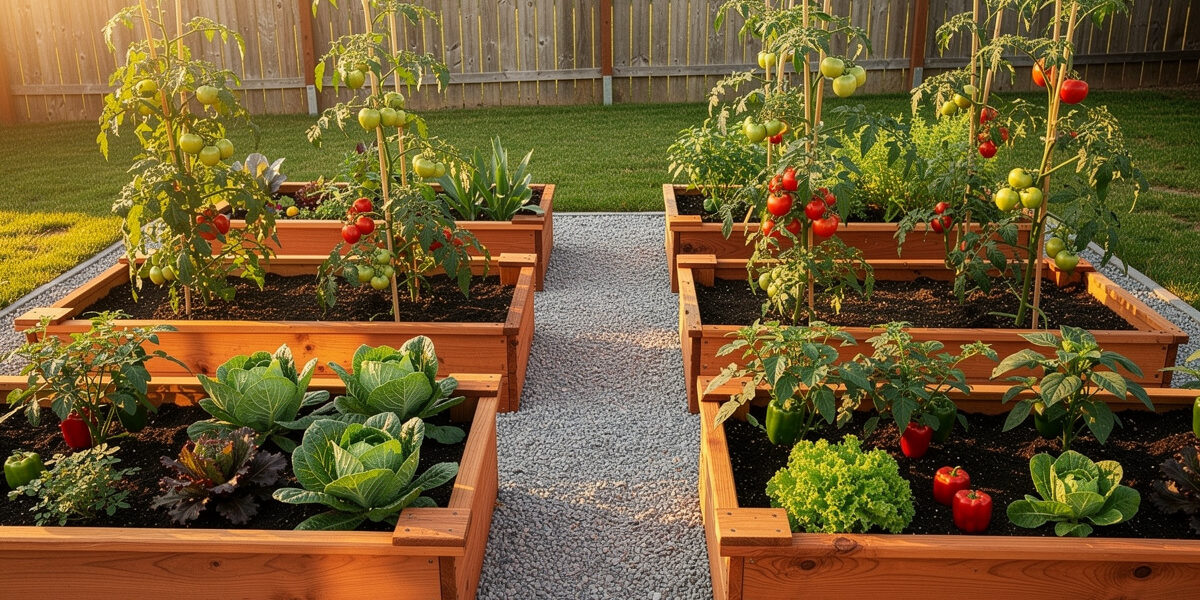
Raised beds and planters elevate your growing surface above ground level, creating deeper soil, better drainage, and easier access for planting and harvesting. A raised bed filled with quality soil produces 2-3 times more food per square foot than native ground soil, warms up faster in spring for earlier planting, and eliminates the back-breaking bending of traditional in-ground gardening. If raised beds feel like a big leap, my how to start a garden guide compares all three styles.
In a city apartment with a balcony, “native soil” does not exist — there is only concrete and whatever you bring in. Raised beds solve that completely: they create the ideal growing environment from day one with custom potting mix, no tilling, no amending contaminated urban fill. On my 6-square-metre balcony, the raised beds are the engine room — the green plastic bed handles leafy greens through spring, the cedar planter grows tomatoes and bush peas through summer, and the fabric pots handle the overflow. By filling a raised structure with custom potting mix, you create the ideal growing environment from day one — no tilling, no amending native soil, no waiting for soil improvement over seasons. For urban gardeners with concrete, clay, or contaminated soil, raised beds are often the only practical way to grow food at home. Balcony and railing planters extend this concept to apartments and small spaces where ground-level gardening is impossible.
This comprehensive hub covers every aspect of raised bed and planter gardening: material selection and comparison, DIY construction guides, product reviews, railing and balcony solutions, and the techniques that maximize production in elevated growing spaces. Each section links to detailed guides for deeper instruction on specific topics.
Why Raised Beds Outperform Ground Gardens
I started with containers on a balcony floor and spent two seasons crouching, weeding, and hauling water before building my first raised bed. The difference was immediate. Raised beds are not just trendy — they are a fundamentally superior growing method for anyone with limited space, bad native soil, or a short growing season. In a Nordic climate where the frost-free window is 120-140 days, the soil warming advantage alone is worth the build cost.
Superior Soil Control
The single greatest advantage of raised beds is complete control over your growing medium. Instead of working with whatever native soil you have — clay, sand, compacted subsoil, or contaminated urban fill — you fill raised beds with a custom blend optimized for vegetable production. A typical raised bed mix combines 40% topsoil, 40% compost, and 20% aeration material (perlite or coarse sand). This blend provides ideal drainage, nutrient availability, and root penetration from day one.
The soil in raised beds never gets compacted by foot traffic because you never step on it. This permanent loose structure allows roots to penetrate deeply and access nutrients and water throughout the entire bed depth. In-ground gardens develop compaction layers over time that restrict root growth and water infiltration — raised beds maintain their structure indefinitely.
Extended Growing Season
Raised beds warm up 2-4 weeks earlier in spring than ground soil because they are elevated and exposed to air on all sides. This early warming allows you to start planting cool-season crops weeks before in-ground gardeners can work their soil. In fall, raised beds stay warmer longer into the season, extending harvests by 2-3 weeks. The cumulative effect is a growing season that is 4-7 weeks longer than ground-level gardening.
Improved Drainage
Excess water drains freely from raised beds through the open bottom, preventing the waterlogged conditions that cause root rot and fungal diseases. This is especially critical in areas with heavy clay soil or high rainfall. Plants in well-drained raised bed soil develop deeper, healthier root systems that access nutrients more efficiently and resist drought stress better than plants in waterlogged ground soil.
Ergonomic Benefits
After three seasons of crouching over balcony containers, I built my first 30-inch-tall cedar bed and the physical relief was instant. Raised beds bring the growing surface to a comfortable working height — stand or sit on a stool and weed for an hour without your lower back protesting. A bed that is 24-36 inches high allows most gardeners to work while standing or kneeling on a pad rather than bending to ground level. This is particularly valuable for gardeners with back problems, knee issues, or limited mobility. Elevated beds also make harvesting, weeding, and maintenance tasks faster and more comfortable.
Raised Bed Materials: Choosing the Right Construction
The material you choose for your raised bed determines its lifespan, appearance, cost, and impact on soil health. Each material has distinct advantages and trade-offs that should guide your selection based on budget, aesthetics, and intended use.
Wood Raised Beds
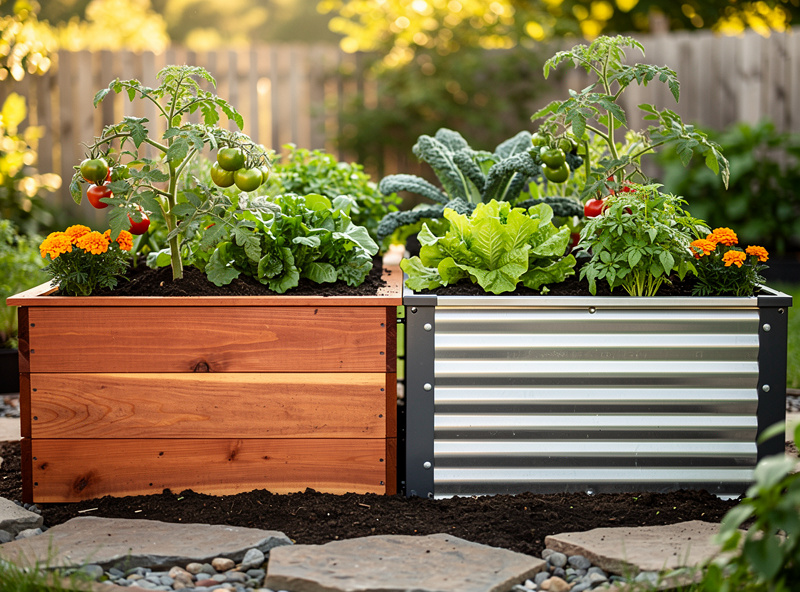
Wood is the most popular raised bed material because it is affordable, easy to work with, and naturally insulates soil against temperature extremes. Cedar and redwood are the premium choices — naturally rot-resistant without chemical treatment, lasting 10-15 years. Pine and spruce are budget-friendly but last only 3-5 years before rotting. Avoid pressure-treated lumber older than 2004 (which contained arsenic) — modern pressure-treated wood uses copper-based preservatives that are considered safe for vegetable gardens.
For detailed comparisons of wood types and their performance in raised bed applications, see my guide to best sleepers for raised beds and wooden sleeper planter design ideas.
Recycled Plastic Raised Beds
Recycled plastic lumber offers the appearance of wood with none of the maintenance. It does not rot, splinter, or degrade, lasting 20+ years with zero maintenance. Heavy-duty recycled plastic raised beds resist warping in extreme temperatures and do not leach chemicals into soil. The primary drawback is cost — recycled plastic beds typically cost 2-3 times more than wood equivalents. However, the extended lifespan often makes them more economical over a 20-year period.
For a detailed evaluation of recycled plastic raised beds including cost analysis and durability testing, see my recycled plastic raised beds guide.
Metal Raised Beds
Corrugated steel raised beds (such as the Birdies brand) have become increasingly popular for their durability, modern appearance, and excellent soil warming properties. Metal beds last 15-20 years, do not rot or degrade, and their dark color absorbs heat to warm soil faster in spring. The main concern is soil temperature in hot climates — metal beds can overheat root zones in full summer sun. Lining the interior with insulating material mitigates this issue.
I switched my main production bed to a galvanized metal Birdies model three seasons ago and have not looked back. The soil warms 7-10 days earlier than the cedar bed next to it — critical for a short Nordic season. The only maintenance has been wiping the outside with a damp cloth once per year. For a full breakdown of assembly time, soil heat performance, and honest drawbacks, see my Birdies raised beds review.
Concrete and Masonry
Concrete blocks, bricks, and stone create permanent raised bed structures that last decades. These materials provide excellent thermal mass, keeping soil temperatures stable through daily fluctuations. Concrete block raised beds are particularly versatile — the hollow cores can be filled with soil to grow herbs and trailing plants along the bed edges. The primary drawbacks are weight (difficult to relocate) and initial cost.
Material Comparison Table
| Material | Lifespan | Cost (4×8 ft) | Maintenance | Best For |
|---|---|---|---|---|
| Cedar | 10-15 years | $80-150 | Optional sealing every 2-3 years | Aesthetic gardens, food-safe growing |
| Pine (treated) | 5-8 years | $40-80 | Annual sealing recommended | Budget builds, non-food gardens |
| Recycled Plastic | 20+ years | $150-300 | None | Permanent installations, wet climates |
| Corrugated Steel | 15-20 years | $120-250 | None | Modern aesthetics, durability |
| Concrete Block | 25+ years | $60-120 | None | Permanent, large installations |
| Railway Sleepers | 15-20 years | $100-200 | Minimal | Rustic gardens, heavy-duty use |
DIY Raised Bed Construction
Building your own raised beds saves 50-70% compared to buying pre-made kits and lets you customize dimensions to your exact space. With basic tools and materials from any hardware store, you can construct durable raised beds in a single afternoon.
Standard Wood Frame Bed
The simplest raised bed design uses four boards screwed together at the corners. A 4×8 foot bed built from 2×10 cedar boards costs $60-80 in materials and takes 30 minutes to assemble. This size is ideal because 4 feet wide allows you to reach the center from either side without stepping on the soil, and 8 feet long uses standard lumber lengths with minimal waste. Fill with 32 cubic feet of soil mix (approximately $40-60 in bulk).
Sleeper Planter Boxes
Railway sleepers (landscape timbers) create substantial, long-lasting raised beds with a rustic appearance. Sleepers are typically 8 feet long, 6-8 inches thick, and weigh 40-60 pounds each. A two-layer sleeper bed stands 12-16 inches high and provides excellent root depth for deep-rooted crops like tomatoes and carrots. Sleepers can be stacked without fasteners due to their weight, or secured with rebar stakes driven through pre-drilled holes.
For complete construction instructions with materials lists and photos, see my guides on how to build a sleeper planter box and wooden sleeper planter design ideas.
Flat Pack Raised Beds
Flat pack raised bed kits arrive as pre-cut panels that assemble without tools. These kits typically use interlocking corner brackets or slot-together panel designs that click together in minutes. Flat pack beds are ideal for renters who may need to disassemble and relocate their beds, or for gardeners who want a quick setup without woodworking. Quality varies significantly between brands — some use thin materials that bow under soil pressure while others use substantial panels that last for years.
For a comparison of the best flat pack raised bed kits with assembly difficulty ratings and durability assessments, see my flat pack raised garden beds guide.
Elevated Planters and Raised Beds on Legs
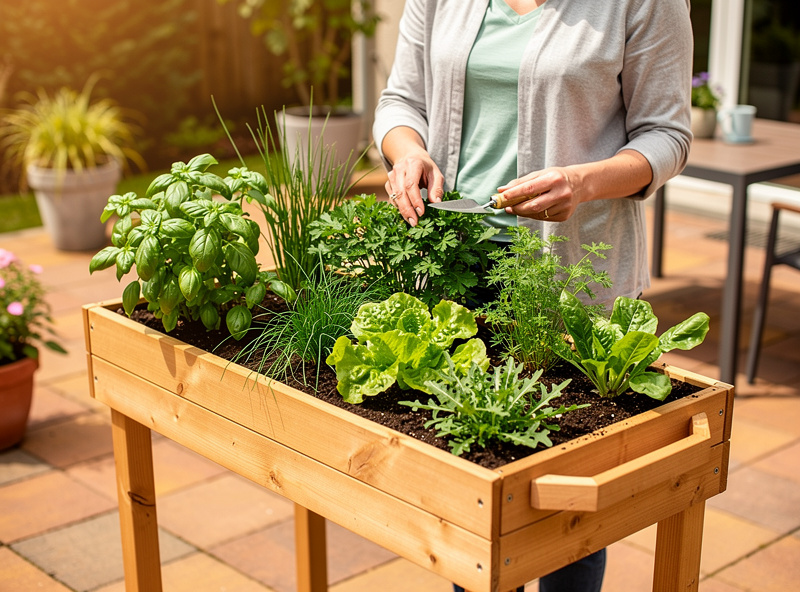
Elevated planters on legs bring the growing surface to waist height, eliminating bending entirely. These are ideal for gardeners with mobility limitations, back problems, or anyone who wants the most comfortable gardening experience possible. Elevated planters also protect crops from ground-dwelling pests like rabbits, slugs, and cutworms.
Raised Planter Boxes on Legs
Fabricated elevated planter boxes combine a raised bed with a sturdy frame that positions the growing surface 28-36 inches above ground. These units are self-contained, portable, and require no ground preparation. The growing depth is typically 8-12 inches, sufficient for leafy greens, herbs, and compact vegetables. Larger fruiting crops like tomatoes need deeper soil (12-18 inches) and may require deeper elevated planters.
For a comprehensive comparison of elevated planter options including weight capacity, drainage quality, and value assessment, see my raised planter boxes on legs guide.
Balcony and Railing Planters
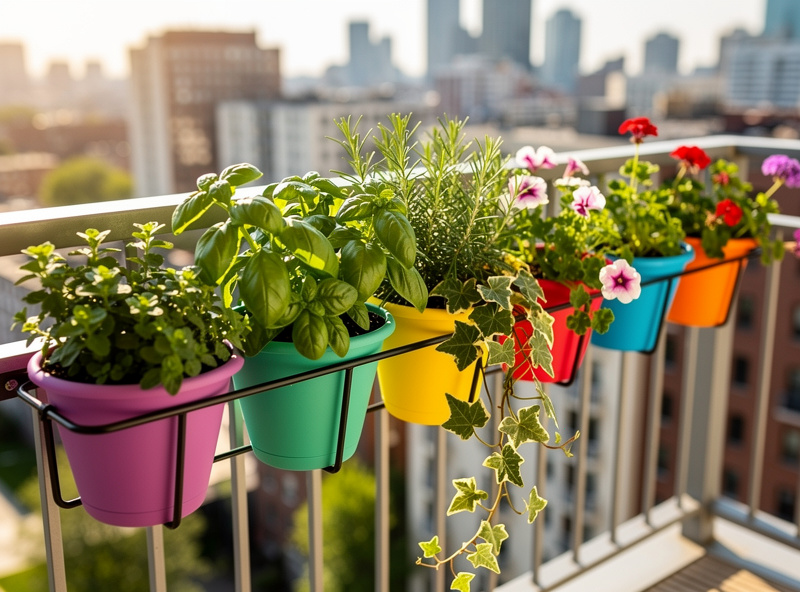
For apartment dwellers and homeowners with decks, railing-mounted planters transform unused vertical railing space into productive growing area. Hanging railing planters, deck rail planters, and over-porch rail planters each offer different mounting solutions for different railing types. These planters are ideal for herbs, lettuce, strawberries, and compact vegetables that do not require deep soil.
Key considerations for railing planters include weight capacity (wet soil is heavy — 75 pounds per cubic foot), wind exposure (elevated planters dry faster and catch more wind), and mounting security (planters must be firmly attached to prevent falling). For detailed comparisons of railing planter options, see my guides on best planters for railings, deck rail planters, and over porch rail planters.
Raised Bed Product Reviews
With dozens of raised bed products on the market, choosing the right one requires understanding how different brands and materials perform in real-world conditions. Our reviews evaluate construction quality, durability, value, and actual growing performance.
Birdies Raised Beds
Birdies corrugated steel raised beds are among the most popular premium raised bed products. They assemble in minutes without tools, last 15+ years, and their dark color warms soil effectively in spring. The main considerations are cost (higher than wood alternatives) and potential soil overheating in hot climates. For my complete evaluation including long-term durability assessment, see my Birdies raised beds review.
Buzzy Raised Garden Beds
Buzzy raised beds offer a mid-range option between budget wood beds and premium metal beds. They use galvanized steel construction with a powder-coated finish that resists rust and provides a clean appearance. Assembly is straightforward and the beds hold their shape well under soil pressure. For detailed performance testing and value analysis, see my Buzzy raised garden bed review.
Suttons Raised Beds
Suttons raised beds are a popular option in the European market, offering modular designs that can be configured to different sizes and shapes. They use treated wood construction with interlocking corner joints. For my assessment of build quality, longevity, and value compared to alternatives, see my Suttons raised beds review.
Raised Bed Growing Techniques
Maximizing production from raised beds requires specific techniques that differ from in-ground gardening. The confined space and superior soil conditions of raised beds enable intensive growing methods that dramatically increase yield per square foot.
Intensive Spacing
Raised beds allow closer plant spacing than in-ground gardens because the soil is loose and nutrient-rich throughout. Instead of planting in single rows with wide pathways, use a grid pattern that fills the entire bed surface. This intensive spacing shades the soil surface (reducing weed germination), maximizes production per square foot, and creates a microclimate that retains moisture. Space plants according to their mature canopy size — lettuce at 6-8 inches, carrots at 3 inches, tomatoes at 18-24 inches.
Succession Planting
Raised beds warm earlier and stay productive longer than ground gardens, enabling multiple crop cycles per season. Plant cool-season crops (lettuce, spinach, radishes) in early spring. As temperatures warm, replace harvested crops with warm-season plants (tomatoes, peppers, cucumbers). In late summer, plant fall crops (kale, broccoli, garlic) that mature as temperatures cool. This succession approach produces 3-4 harvests per year from the same bed space.
Companion Planting in Raised Beds
The confined space of raised beds makes companion planting especially effective. Plant basil alongside tomatoes to improve flavor and repel pests. Grow carrots next to onions — the onion scent confuses carrot fly while carrots benefit from the loose soil onions create. Plant marigolds around bed edges to deter nematodes and attract beneficial insects. The close proximity of plants in raised beds amplifies the benefits of companion planting combinations.
Raised Bed Maintenance and Longevity
Proper maintenance extends the life of your raised beds and keeps them productive year after year. Different materials require different care approaches, but all raised beds benefit from a few universal maintenance practices.
Soil Replenishment
Raised bed soil settles and decomposes over time, losing 1-2 inches of depth per year. Replenish the top 2-3 inches with fresh compost each spring to maintain soil volume and nutrient levels. Every 3-4 years, replace the top 6 inches entirely to prevent nutrient depletion and pathogen buildup. The removed soil can be used to top up other beds or spread around established perennials.
Wood Bed Care
Wood raised beds benefit from annual inspection and treatment. Check for rot at soil level where moisture contact is highest. Replace individual boards before rot spreads to adjacent boards. Apply a food-safe wood preservative (linseed oil or raw tung oil) to exterior surfaces every 2-3 years to extend lifespan. Avoid chemical wood treatments that could leach into soil.
Winter Preparation
Prepare raised beds for winter by removing spent plants, adding a layer of compost, and covering with mulch or row cover fabric. This protects soil structure from winter erosion and provides a head start for spring planting. In cold climates, empty elevated planters and store them indoors to prevent freeze-thaw damage. Ground-level raised beds can remain in place year-round — the soil inside actually insulates plant roots better than exposed ground soil.
How I Plan a Raised Bed Layout for a Nordic Balcony
On a balcony, every square centimetre counts. My current layout uses three raised beds in a U-shape against the railing, leaving a narrow central walkway just wide enough for a stool and a watering can. The key planning decisions I have learned the hard way:
Sun mapping: In a Nordic city, the April sun path is completely different from the July sun path. I photographed my balcony at 10 am, noon, and 2 pm in April and again in July before positioning beds. The bed that got full sun in high summer was in shade during the crucial May transplant window. I shift the portable planters seasonally and leave the permanent beds in the best year-round light.
Weight distribution on balconies: The structural limit most US guides ignore. A standard balcony is rated for 300-350 kg per square metre, but that rating assumes a uniform load, not a concentrated one. I position my heaviest beds over the balcony edge beams (the structural supports), not the centre of the span. A saturated 4-cubic-foot raised bed weighs roughly 360 kg — safe when placed against the wall over the beam line, risky if placed dead centre on an unsupported section.
Wind exposure: Elevated balconies experience wind speeds 20-30% higher than ground-level gardens. This dries out soil faster and can physically damage young transplants. I use taller beds on the windward side as windbreaks, protecting lower-growing crops behind them. In October, I strap a temporary burlap screen to the railing to cut wind speed during the last weeks of the autumn harvest.
Crop rotation in containers: In permanent raised beds, the same crop family should not occupy the same soil year after year. My three-bed rotation: Bed 1 gets tomatoes/peppers (heavy feeders) → Bed 2 gets peas/beans (nitrogen fixers) the next year → Bed 3 gets leafy greens and roots. After three years, the cycle repeats. In a small-space setup, this rotation is more practical than the in-ground six-year rotation charts because you amend the soil heavily between cycles with worm castings and compost.
The Soil Mix I Use in Every Raised Bed
I settled on one mix after testing several variations over five growing seasons: 50% peat-free container potting mix (for structure and drainage), 25% homemade worm castings (for biology and slow-release nutrition), 15% perlite (for aeration and freeze-thaw resilience), and 10% compost from the hot pile (for organic matter and microbial life). This mix drains freely even after weeks of autumn rain, holds enough moisture for 2-3 days between waterings in peak summer, and does not compact over the season.
Store-bought “raised bed mix” in bags is almost always too heavy on composted wood fines — it looks rich and dark but collapses to half its original volume within one season as the wood breaks down. I lost an entire bed of spinach to this mistake in my second year. Now I blend my own and top-dress with 2 inches of fresh worm castings every spring to restore the volume lost to decomposition.
pH watch for concrete and metal beds: New concrete sleepers leach lime and raise soil pH for the first 1-2 years. If you use concrete beds, test pH monthly and amend with elemental sulphur if it creeps above 7.5. Metal beds are pH-neutral — one less variable to manage.
All Raised Bed & Planter Guides on CityRooted
- Best Raised Planter Boxes on Legs for Small Spaces
- Best Sleepers for Raised Beds — Wood vs Concrete
- Heavy Duty Recycled Plastic Raised Beds — Worth It?
- Birdies Raised Beds Review — Are They the Best?
- Best Flat Pack Raised Garden Beds — Easy Assembly
- Buzzy Raised Garden Bed Review — Pros and Cons
- How to Build a Sleeper Planter Box — DIY Guide
- Wooden Sleeper Planters — Design Ideas and Tips
- Raised Border Edging — Materials and Installation
- Suttons Raised Beds Review — Quality Assessment
Watering Raised Beds: The Nordic Challenge
Raised beds dry out faster than in-ground gardens because they are exposed to air on all sides and drain freely through the open bottom. In a Nordic summer with 18 hours of daylight, the soil moisture loss is relentless — a raised bed that felt perfect at 6 AM can be bone-dry by noon. The watering discipline that works in a mild climate (water deeply twice a week) does not work up here. I check soil moisture daily during peak summer and water when the top 2 inches are dry, which in July means every day for shallow beds and every 2-3 days for deeper ones.
The single biggest productivity improvement I made was installing a drip irrigation system on a timer — the Gardena balcony watering system I review in detail elsewhere on the site. Before the timer, I lost plants to holiday-week drought every single summer. After the timer, the plants I came home to after two weeks away were the same healthy plants I had left. For a raised bed setup that feeds you through the season, automated watering is not a luxury — it is the difference between a productive garden and a graveyard of crispy seedlings. The drip delivery also uses less water than hand-watering because every drop goes directly to the root zone rather than splashing off foliage and evaporating.
Pest Management in Raised Beds
Raised beds provide some natural pest advantages over ground-level gardens. The elevated soil surface is less accessible to crawling pests like slugs and snails, and the defined bed boundaries make it easier to spot pest activity early. On my balcony, the raised beds at 30-inch height have eliminated the slug damage that plagued my ground-level containers — slugs simply do not climb the cedar legs the way they slither across a patio surface. That said, raised beds are not pest-proof, and the same integrated approach that works at ground level applies elevated.
The pest pressures I manage most actively in my raised beds are aphids on brassicas (controlled with a strong water spray and ladybird recruitment), cabbage white butterflies on kale (excluded with lightweight row cover fabric over the bed), and vine weevils in the strawberry bed (controlled with nemode applications watered into the soil in late spring). None of these is unique to raised beds, but the confined soil volume means pest populations can build up faster than in open ground. The Wisconsin Extension container vegetable guidance covers the fundamental pest-monitoring practices that apply to all elevated growing.
Frequently Asked Questions
How deep should a raised bed be for vegetables?
Most vegetables thrive in 8-12 inches of soil depth. Root crops like carrots and potatoes need 12-18 inches. Tomatoes and peppers perform best with 12+ inches. A standard 2×10 lumber bed provides 9 inches, which is sufficient for most crops.
What is the best material for raised beds?
Cedar and redwood offer the best balance of durability, appearance, and cost for wood beds. Corrugated steel beds last longest (15-20 years) but cost more. Recycled plastic is maintenance-free and lasts 20+ years but has the highest upfront cost.
How much does it cost to build a raised bed?
A basic 4×8 foot wood raised bed costs $60-120 in materials plus $40-60 for soil fill. Premium metal beds cost $150-300. DIY construction saves 50-70% compared to pre-assembled kits.
Can you put raised beds on concrete or patio?
Yes. Raised beds work perfectly on concrete, patios, and decking. Line the bottom with landscape fabric to prevent soil washout while allowing drainage. Ensure the surface can support the weight — a 4×8 bed filled with soil weighs approximately 2,000 pounds.
How often should you replace raised bed soil?
Top up with 2-3 inches of compost annually. Replace the top 6 inches every 3-4 years to prevent nutrient depletion and pathogen buildup. With proper maintenance, raised bed soil remains productive indefinitely.
Related Raised Beds and Planters Guides
Explore my complete raised beds and planters library for detailed instructions on every material, product, and technique:
- Best Raised Planter Boxes on Legs for Small Spaces
- Best Sleepers for Raised Beds — Wood vs Concrete
- Heavy Duty Recycled Plastic Raised Beds — Worth It?
- Birdies Raised Beds Review — Are They the Best?
- Buzzy Raised Garden Bed Review — Pros and Cons
- Suttons Raised Beds Review — Quality Assessment
- Best Flat Pack Raised Garden Beds — Easy Assembly
- How to Build a Sleeper Planter Box — DIY Guide
- Wooden Sleeper Planters — Design Ideas and Tips
- Raised Border Edging — Materials and Installation
- Best Planters for Railings — Complete Buyer Guide
- Best Deck Rail Planters — Top Picks Reviewed
- Over the Porch Rail Planters That Actually Stay Put
- Best Hanging Railing Planters for Balconies
- White Flower Boxes for Deck Railing — Best Options
- Gardena Balcony Watering System — Setup Guide
Related Articles
Expand your raised bed and container gardening knowledge with these complementary guides: